Photo: Well This Is News
Trump fawns over authoritarian Xi while achieving nothing substantive on key disputes
Trump extends diplomatic olive branch to China, seeks cooperation amid competition
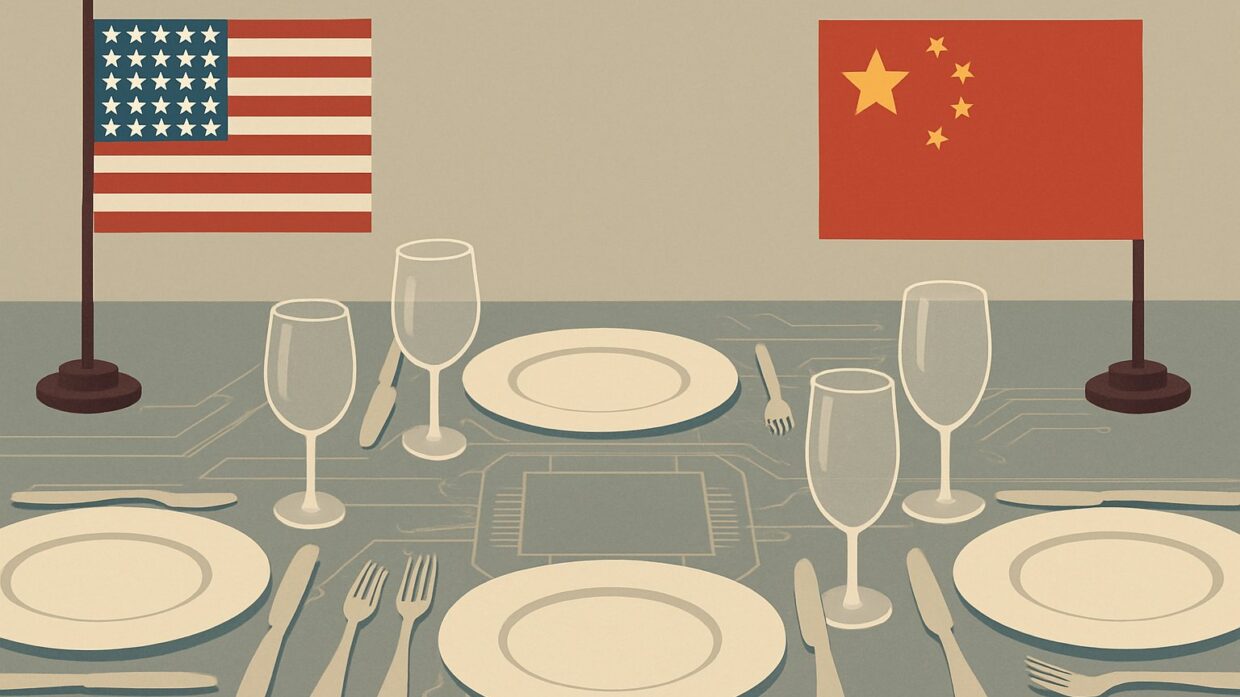
Trump hosts Xi at state dinner as US-China tensions persist over trade and tech
Key Takeaways
- Trump shifted from accusing China of election interference in July to hosting Xi Jinping at a state dinner two months later without publicly acknowledging or explaining this reversal in rhetoric.
- The summit featured major tech executives like Elon Musk and Mark Zuckerberg but produced limited concrete agreements on the trade and artificial intelligence disputes that remain documented sources of US-China tension.
- Trump attempted to revoke press credentials for CNN, MSNBC, and Politico journalists during the same period he was presenting the Xi summit as a diplomatic triumph, raising questions about whether the administration sought to control coverage of the event.
The Analysis
Trump hosted Chinese President Xi Jinping at a state dinner featuring tech executives, signaling a diplomatic opening even as documented tensions over trade and AI competition remain unresolved. The visit raises a specific tension: the president who accused China of election interference two months earlier now extended formal state honors to the same government, without public acknowledgment of that reversal.
What actually happened: Trump held a formal state dinner attended by Elon Musk, Mark Zuckerberg, and Tim Cook. Xi Jinping proposed frameworks for US-China cooperation to avoid what he termed the "Thucydides trap," the structural conflict between rising and established powers. The Guardian reported the summit produced limited concrete agreements on substantive disputes. The visit followed Trump's primetime speech in July accusing China of interfering in the 2020 election. A federal judge ruled during the summit that Trump's attempt to revoke White House credentials for journalists from CNN, MSNBC, and Politico "likely violated their constitutional due process rights."
The left frame, articulated in Guardian reporting, emphasizes Trump's "deference" to what one columnist called "the world's biggest jailer of journalists." The coverage stresses the disconnect between Trump's earlier rhetoric describing China as a "global menace" and his actual diplomatic conduct. This framing uses phrases like "swoons over strongman soulmate" and highlights the theatrical nature of state honors. What this coverage leaves out is any accounting for why Trump may have shifted position, or whether engagement with China serves demonstrable US interests despite the authoritarian nature of the regime. The Guardian's framing also omits that state dinners serve formal diplomatic functions independent of substantive agreement outcomes.
The right-leaning interpretation, suggested by NBC coverage focusing on Trump's diplomatic strategy, frames the summit as pragmatic great-power management. The emphasis is on Trump's willingness to engage directly with China's leadership to establish communication channels and explore cooperation on shared concerns like AI governance. This framing presents the state dinner as consistent with Trump's transactional approach to foreign policy. What this perspective underemphasizes is that Xi's proposals came amid continued US-China competition over technology and trade that the summit did not visibly resolve, and the summit's timing creates genuine tension with Trump's recent public statements about Chinese election interference.
What neither side fully captures is the structural context: Trump previously imposed tariffs on Chinese goods and withdrew from multilateral trade agreements during his first term. The current diplomatic opening occurs within ongoing competition, not in contradiction to it. The documented record does not establish whether this summit represents a strategic recalibration of US-China policy or a tactical deployment of diplomatic ceremony without underlying agreement on core disputes. The attendance by major tech executives signals Trump views the relationship through an economic lens, yet the reporting does not clarify whether specific commitments on intellectual property, market access, or AI governance emerged from the discussions. The parallel story about Trump's attempt to ban journalists from the White House during this same period creates additional context: the administration attempted to control press coverage of a high-profile diplomatic event while simultaneously presenting that event as a triumph of diplomatic engagement.
The underlying question is whether Trump's approach to China represents continuity with his first-term antagonism or represents a genuine shift toward engagement. The state dinner itself answers that tactically. What the available reporting does not establish is whether substantive policy changes follow.
This summit establishes a precedent for presidential reversal on documented security accusations without public explanation or conditionality. Trump shifted from accusing China of election interference to hosting its leader at state honors within weeks, creating a template where presidents can reframe adversaries as partners through ceremonial diplomacy without resolving actual disputes on trade, technology, or intellectual property. Future administrations will reference this visit when justifying similar tonal shifts toward authoritarian governments, citing Trump's model that formal honors require neither prior resolution of conflicts nor public accounting for previous rhetoric. The absence of concrete agreements on tariffs, semiconductor access, or AI governance means this summit functions primarily as permission structure for policy reversals, not as diplomatic breakthrough. When the next president needs diplomatic cover for abandoning prior criticism of an authoritarian regime, they point to this dinner as precedent that ceremony replaces substantive settlement.