Photo: Well This Is News
Iran's surprise missile attack comes after US had paused strikes, risking wider Middle East conflict
Iran ends brief ceasefire with ballistic missile attack on US forces in Jordan
Iran launches ballistic missiles at US base in Jordan, shattering week-long pause in strikes
Key Takeaways
- Neither the US nor Iran has publicly disclosed what prompted the pause, what conditions would allow it to resume, or whether any mediated agreement actually existed.
- The Trump-Netanyahu White House meeting occurred on the same day as Iran's attack, but coverage has not established whether the timing was coincidental or if Iran interpreted the meeting as a strategic signal.
- Congress advanced bipartisan sanctions legislation against Iran the same week of the attack, but reporting has not disclosed whether Iran knew about the bill or whether it influenced the decision to strike.
The Analysis
Iran's Tuesday ballistic missile strike on a US military base in Jordan represents a deliberate escalation after four days of reported pause, yet the full context of what prompted the attack and what preceded the pause remains largely unexamined across coverage.
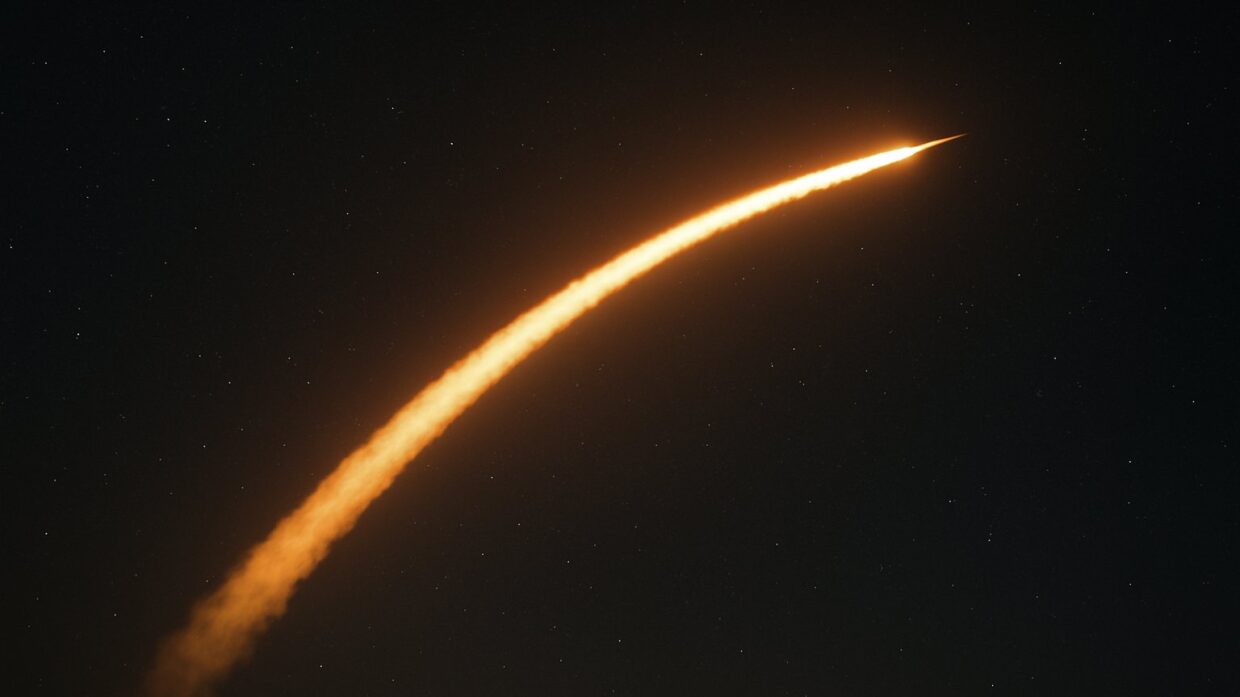
The verified facts are straightforward: US Central Command said Iran launched multiple ballistic missiles at a base in Jordan at approximately 5:45 p.m. ET on Tuesday, July 29, 2026. US officials said all missiles were intercepted. The attack came after a pause in attacks that began Friday. The strike occurred on the same day President Trump met with Israeli Prime Minister Benjamin Netanyahu at the White House for what both called a "productive" 90-minute session on the Iran war.
The Guardian's framing emphasizes the diplomatic implications, describing the attack as "shattering a brief pause in fighting as both sides battled for control of the strait of Hormuz" and situating it within "nearly two weeks of nightly strikes by the US on Iran." That language serves a narrative function: it positions the US pause as a good-faith de-escalation attempt interrupted by Iranian aggression. The Guardian does not foreground what happened during those two weeks of nightly US strikes, what targets were hit, or whether those strikes themselves might explain Iran's decision to resume fire.
The Washington Examiner frames the pause differently, using the word "brief" and emphasizing that Iran "signaling the renewal of hostilities." That language choice suggests Iran was testing US resolve and choosing escalation. The Examiner does not establish why Iran decided to attack on this particular day or whether the Trump-Netanyahu meeting created a strategic signal that Iran interpreted as hostile intent.
What neither framing addresses is the sequence of causation. The reporting does not establish what prompted Iran to attack on Tuesday specifically, or whether timing connected to the Trump-Netanyahu meeting is coincidental or strategic. Axios reported the two leaders met to discuss the "Iran war" but does not disclose what was said. The available coverage does not explain whether the US initiated the strikes that began two weeks prior, what Iran's stated justifications were, or whether earlier escalation by either side explains the pattern of attack and pause.
The Axios report on a bipartisan Senate vote to move forward with Russia and Iran sanctions adds context neither side emphasizes: 86 senators, in "massive show of bipartisanship," advanced sanctions legislation. That vote suggests Congress is prepared to enforce penalties regardless of which side fired first. What remains undisclosed is whether Iran was aware of the sanctions bill when it chose to attack, and whether that legislative action influenced the timing of the strike.
The real headline is that both the US and Iran have returned to direct military strikes after a brief pause, the diplomatic mechanism that paused them remains opaque, and neither side has publicly established a clear path to preventing further escalation.
Why it matters: A cycle of strike and counter-strike in the region creates risk of unintended escalation, particularly if command decisions happen faster than diplomatic channels can operate. The Trump administration's posture toward Iran remains inconsistent across statements, making it unclear whether the pause represented negotiating strategy or operational pause. One unresolved question is whether there was any mediated agreement establishing the pause, and if so, what circumstances would allow it to resume.
Iran's resumption of direct strikes after a four-day pause signals the collapse of whatever mechanism briefly halted the cycle, yet neither US officials nor Iranian leadership have disclosed whether any negotiated agreement existed or what terms might restore it. This matters because without clarity on what produced the pause, both militaries lack a shared understanding of escalation thresholds or off-ramps. The Trump-Netanyahu meeting on the strike day suggests strategic messaging took precedence over diplomatic channels, meaning future pauses depend on military calculations rather than negotiated frameworks. If Iran interprets US actions as signaling continued hostility regardless of restraint, it removes incentive for future de-escalation. The unexamined question is whether this cycle now becomes structural, with each side timing strikes around political events rather than pursuing sustained negotiations that require transparency about intentions and red lines.