Photo: Well This Is News
Trump's inflammatory rhetoric ignites fragile Iran ceasefire as hostilities resume in critical shipping lanes
Trump ends failed Iran ceasefire after repeated Iranian violations threaten regional stability
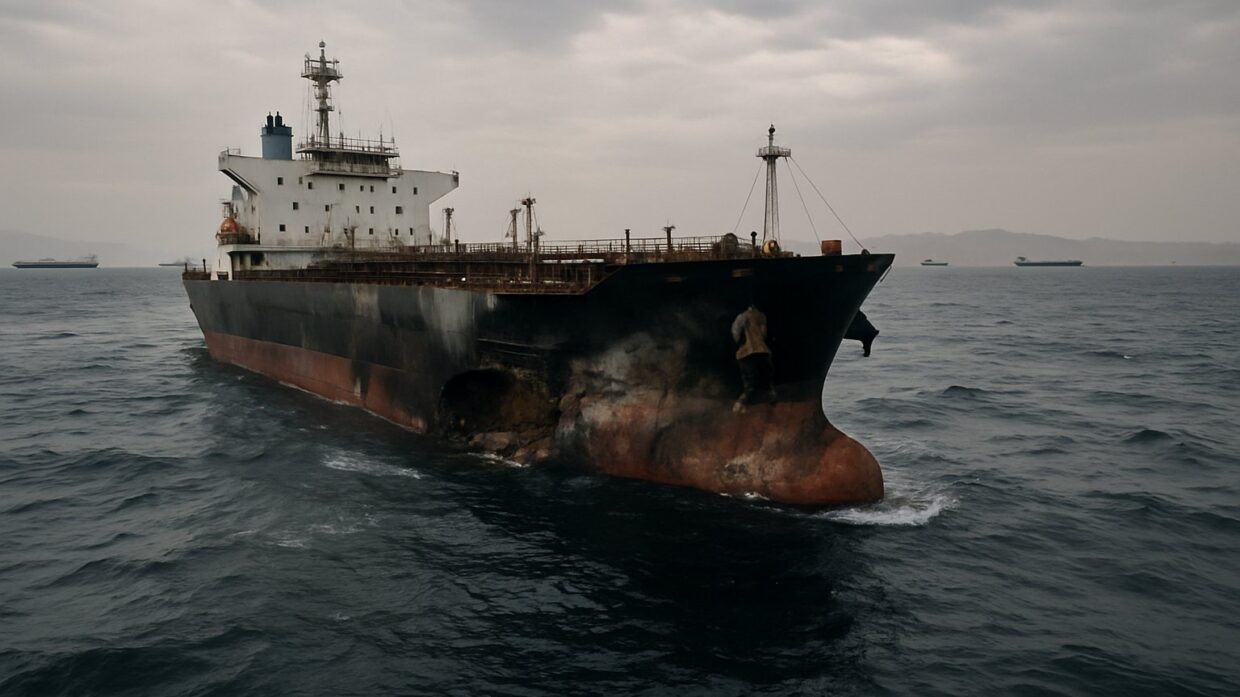
Trump declares Iran ceasefire over after strikes on commercial vessels near Strait of Hormuz
Key Takeaways
- The ceasefire framework permitted both militaries to conduct strikes against each other, suggesting it operated under understood parameters rather than preventing military action entirely, but those parameters and what triggered the vessel strikes remain publicly undisclosed.
- Trump's declaration that the ceasefire was finished came after the military escalation rather than before it, raising questions about whether he was making a strategic choice or formalizing a breakdown that had already begun.
- The Strait of Hormuz handles one-third of global maritime petroleum trade, meaning sustained US-Iran military conflict in this zone creates direct economic consequences for energy markets and supply chains regardless of the diplomatic framework between the two governments.
The Analysis
The collapse of the US-Iran ceasefire represents a documented escalation from a framework that was already under severe strain. Three commercial vessels were hit near the Strait of Hormuz in what both sides characterized as targeted military action, followed by public statements from President Trump declaring the agreement finished. Trump used the language 'scum' and 'vicious, violent people' when describing Iranian leadership, marking a rhetorical shift toward the confrontational posture that preceded the ceasefire's initial negotiation.
The Guardian's coverage establishes the sequence: commercial vessel strikes occurred, the US responded with military action, Iran conducted counter-strikes, and Trump then declared the ceasefire over. The reporting does not provide the specific Iranian justification for the initial vessel strikes or confirm whether they targeted US assets or civilian shipping. What the available reporting establishes is that the ceasefire framework, whatever its terms, did not prevent either side from conducting military operations in the region.
Left-leaning coverage frames Trump's language as inflammatory and causative, implying that his rhetoric either triggered or accelerated the ceasefire's collapse. The Guardian headline emphasizes Trump's 'inflammatory rhetoric' and suggests it 'ignites' the breakdown. This framing treats Trump's public statements as a primary variable in the ceasefire's failure. What this approach does not fully address is the timeline of the actual military strikes, their sequence, or what either side claims prompted them. The emphasis falls on tone rather than on the military actions that preceded Trump's public statements.
Right-leaning analysis, evident in available reporting, frames Trump's action as a necessary response to Iranian violations. This framing characterizes the ceasefire as 'failing' and Trump's response as restoring deterrence. The right-side interpretation treats the vessel strikes as evidence of Iranian bad faith and presents Trump's termination of the agreement as overdue accountability. What this framing minimizes is Trump's own rhetorical escalation and whether public declarations of the ceasefire's end serve any diplomatic function or instead foreclose negotiation channels.
What neither framing adequately captures is the basic fact that the ceasefire was operating as a framework under which both militaries continued targeting each other. The arrangement did not prevent strikes; it appears to have permitted them within some understood parameters. The public record does not establish what those parameters were, what triggered the vessel strikes, or whether the military escalation was coordinated with diplomatic signals that went unheeded. Trump's statement declaring the ceasefire 'over' followed the military action rather than preceding it, which raises questions about whether the declaration reflects a strategic choice or a formalization of a breakdown that was already underway.
The Strait of Hormuz carries approximately one-third of global maritime trade in petroleum products. Sustained military conflict in that zone creates direct economic consequences for energy markets and supply chains independent of the diplomatic framework between the US and Iran. What remains undisclosed is whether either side views renewed conflict as preferable to the previous ceasefire arrangement and what regional actors, particularly US allies in the Gulf, have communicated about their tolerance for renewed hostilities in critical shipping lanes.
The collapse of this ceasefire transforms the Strait of Hormuz from a zone of managed military tension into an unpredictable conflict space where commercial shipping faces genuine targeting risk. One-third of global petroleum trade flows through these waters, meaning sustained US-Iran military operations will directly spike energy prices and disrupt supply chains serving Europe, Asia, and the Americas. Trump's declaration terminating the agreement removes even the thin diplomatic constraints that prevented either side from claiming justification for broader strikes on civilian infrastructure or regional allies' assets. Without a framework, Iranian leadership faces domestic pressure to escalate beyond vessel strikes, while the US lacks negotiated red lines for what constitutes a response threshold. The next major attack on shipping will likely trigger automatic military escalation rather than diplomatic de-escalation, locking both nations into a cycle that could expand to Iraq and Gulf state territories within weeks.