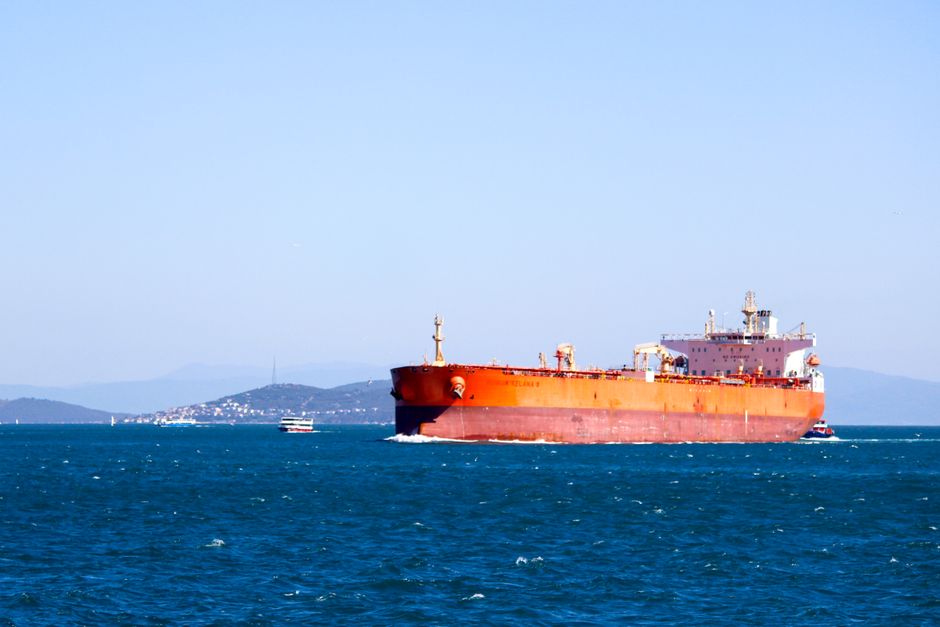
Photo: Muhammed Zahid Bulut
US retaliates against Iranian ceasefire violation with airstrikes near Strait of Hormuz
America strikes back: Iran's attacks on ships prompt military response
US launches strikes on Iran after attacks on commercial vessels in Strait of Hormuz
Key Takeaways
- Both sides dispute what the ceasefire agreement actually permits, suggesting the agreement itself lacks clarity about which maritime activities and military responses are permissible.
- The available public statements do not explain what specific Iranian grievance or US action prompted Tuesday's vessel attacks, leaving the initial cause of the escalation undisclosed.
- Iran's subsequent strikes on US military sites in Kuwait and Bahrain indicate the US military response failed to resolve the underlying disagreement, revealing the ceasefire cannot control escalation despite preventing full-scale conflict.
The Analysis
The US military struck Iranian targets after Tehran attacked three commercial vessels in the Strait of Hormuz on Tuesday, according to US Central Command statements. Iran responded by accusing the US of violating a ceasefire agreement. The sequence of events appears straightforward in the US military's account, but the underlying disagreement about what constitutes a ceasefire violation reveals how the peace agreement itself remains contested between the parties.
US Central Command used specific language to frame the Iranian attacks. Official statements characterized Iran's actions as a "clear violation" and "unwarranted" attacks on commercial ships. The framing emphasizes that Iran initiated the escalation and that the US response was defensive in nature, restoring order after Tehran breached agreed terms. This language serves a dual purpose: it justifies the military strikes as proportional response rather than aggression, and it positions the US as the party defending the ceasefire rather than dismantling it. What this framing does not address is what Iran claims prompted the initial attacks on commercial vessels, or whether there were prior incidents or grievances that Iran viewed as ceasefire violations by the US or its regional allies.
The Iranian account emphasizes US responsibility. Iran accused the US of violating the peace agreement through its strikes, suggesting that Tehran views the military response as escalation rather than retaliation. This framing inverts the sequence of responsibility, arguing that the US action that triggered the current crisis was not the Iranian attacks on vessels but rather some prior American action that Iran claims violated the agreement. The Iranian statement leaves unspecified what actions it believes the US took to warrant the vessel attacks. Qatar's statement that Iran is "fully responsible" after the tanker strikes suggests regional actors may be aligning with the US version of events, but the reporting does not establish whether Qatar has direct knowledge of the initial Iranian motivations or is simply endorsing the US framing.
What neither side's public statements fully address is the history of this ceasefire and what specific maritime activities each party agreed to prohibit. The reporting confirms that 20% of global oil passes through the Strait of Hormuz, establishing why these attacks matter economically. The reporting also confirms that US and Iranian officials have been negotiating about maritime traffic in that waterway. What remains undisclosed is whether there were already disputes about what constitutes permitted commercial activity versus hostile action, or whether the Iranian attacks on Tuesday represented a deliberate test of US willingness to enforce the agreement. The available coverage does not establish whether the three vessels were specifically targeted due to their flag, owner, or cargo, or whether they were struck indiscriminately to send a broader message.
The sequence raises questions about escalation control. US strikes followed Iranian attacks within a single news cycle. The reporting does not confirm whether diplomatic channels were used between the attacks and the strikes, or whether military response was the immediate choice. Iran's subsequent strikes on US military sites in Kuwait and Bahrain suggest the initial US response did not resolve the underlying disagreement about what the ceasefire permits. The pattern indicates that this ceasefire, while preventing full-scale conflict, has not established durable rules about what maritime activities each side will tolerate.
Strategic waterways dependent on ceasefire agreements that both parties actively dispute create recurring crises that ripple through global energy markets. The Strait of Hormuz incident reveals that the underlying peace framework lacks clarity on what commercial shipping activity each side permits and what threshold triggers military response. Without resolution, the agreement becomes a series of tit-for-tat escalations where each attack gets reframed as defensive response to prior violation. The 20% of global oil flowing through these waters means that every disagreement about ceasefire terms directly affects fuel prices worldwide. More consequentially, the absence of explicit operational rules between US and Iranian forces in this corridor transforms miscalculation into policy, ensuring future vessel strikes will prompt immediate military strikes rather than diplomacy, until one side decides the cost of continued naval operations outweighs the political benefit.