Photo: Well This Is News
Trump Threatens to 'Finish the Job' in Iran While Rubio Claims 'Progress' in Stalled Negotiations
Trump Says Iran 'Negotiating on Fumes,' Confident Military Pressure Will Force Deal
Trump Cabinet Meets as Iran War Talks Reach Critical Stage; Officials Offer Conflicting Signals
Key Takeaways
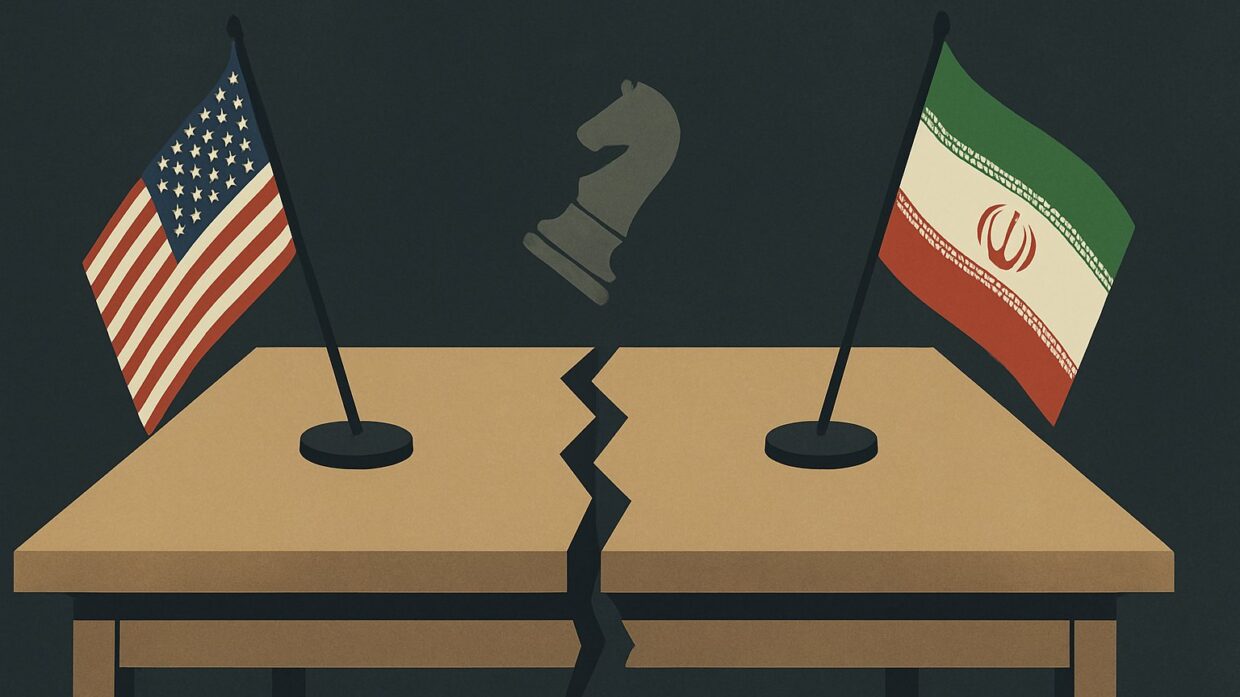
- Trump and Rubio issued contradictory public statements at the same meeting, with Trump threatening to resume bombing while Rubio claimed talks had achieved progress, leaving unclear whether the administration believes a deal is imminent or collapse is near.
- After three months of military conflict and weeks of reported negotiations, the US and Iran have released conflicting accounts of whether a draft deal exists, suggesting major disagreement remains on core issues like nuclear capacity, regional proxy activity, and Strait of Hormuz control.
- Neither the Trump administration nor Iran has publicly disclosed what has actually changed in their negotiating positions or what framework both sides agree on, making it impossible to verify whether military pressure is moving negotiations forward or whether talks have stalled.
The Analysis
Trump's Cabinet meeting Wednesday exposed a fundamental disconnect between the public messaging of his administration on Iran negotiations. Trump said "maybe we'll just have to finish the job," explicitly preserving the option of military escalation. Simultaneously, Secretary of State Marco Rubio told reporters the US had achieved "some progress" in talks. Those two statements describe opposite situations: one signals readiness to resume war, the other signals talks are advancing. What they share is vagueness about what either statement is actually based on.
The factual record from the meeting is limited. Trump said Iran is "negotiating on fumes" and that "their economic system has broken down." He stated the US would not provide sanctions relief until a deal is signed. He said "the US is not satisfied yet on Iran deal, but we will be." Bloomberg reported the US explicitly denied an Iranian state television claim about a draft interim deal that would reopen the Strait of Hormuz within a month, calling the Iranian memo "a complete fab" (the quote appears truncated in reporting). That denial by the US directly contradicts any claim that serious negotiations are producing draft agreements.
The left-leaning framing emphasizes Trump's threat language and interprets it as recklessness. The Guardian's headline foregrounded the "finish the job" language, treating it as escalatory posturing. This framing leaves out that Trump has already degraded Iranian military capacity over three months of conflict, making the threat credible rather than rhetorical. It also omits that Rubio's "progress" claim remains completely undetailed, raising legitimate questions about what progress actually means or whether it exists.
The right-leaning framing treats Trump's military pressure as a negotiating tactic that is working. Fox News headlines emphasized that Trump believes "the regime thought they could outwait him," framing negotiations as a consequence of failed Iranian strategy. This narrative leaves out that the US denied Iran's own account of a draft deal, suggesting either Iran is fabricating progress or the US is rejecting terms Iran thought were agreed. It also omits that the talks have been described as reaching a "precarious moment" by NPR, not a moment of Iranian capitulation.
What neither framing directly addresses is what has actually changed in three months of war to alter Iran's negotiating position, or what the US position actually is on the core issues: nuclear capacity, regional proxy activity, and Strait of Hormuz access. Trump said no nation will control Hormuz, but left unclear whether that means free passage under US military protection, a UN-brokered neutrality agreement, or something else. Rubio provided no new details on the substance of any agreement. The US denial of Iran's draft memo suggests serious daylight remains on basic terms.
The underlying question is whether these conflicting signals reflect tactical messaging during active negotiations or whether the administration is genuinely divided on strategy. The public record does not establish which. What it does establish is that after three months of military action and weeks of claimed negotiations, no agreed framework has been publicly disclosed, both sides are releasing conflicting accounts of progress, and the US has explicitly rejected Iran's characterization of the current terms.
The administration's contradictory messaging on Iran reveals a governance crisis below the surface. Trump's threat to "finish the job" paired with Rubio's vague "progress" claims, combined with the US explicitly denying Iran's draft deal exists, suggests either the cabinet itself is fractured on strategy or no actual negotiating framework exists beneath the rhetoric. When three months of military action produces only competing narratives about whether talks are advancing, with neither side willing to publicly detail agreed terms, the risk isn't miscommunication but rather undisclosed divergence on whether the goal is military victory or diplomatic settlement. This confusion will determine whether the next sixty days bring deescalation or escalation.