Photo: Well This Is News
Trump Threatens to Finish Military Job as Iran Nuclear Talks Stall
Trump Rejects Iran Demands, Confident in Victory as Negotiations Continue
Trump Says Iran Negotiating on Fumes as Three-Month War Continues Without Deal
Key Takeaways
- Neither military degradation of Iranian forces nor public statements about negotiation progress can be confirmed as actually shifting Iran's underlying negotiating position on nuclear restrictions.
- The three-month period of simultaneous military operations and talks could represent either successful coercive diplomacy or a stalled negotiation where both sides are simply waiting for the other to concede.
- No reporting has disclosed what Iran has actually offered on nuclear enrichment, what Trump's minimum acceptable terms are, or what either side's fallback position would be if talks collapse.
The Analysis
Trump declared at a televised Cabinet meeting that Iran is negotiating from weakness after three months of military conflict, rejecting Iranian demands while suggesting military escalation remains possible if talks fail. Secretary of State Rubio reported some progress without detailing terms. What remains undisclosed is whether any agreement framework exists or whether both sides are simply positioning for domestic audiences.
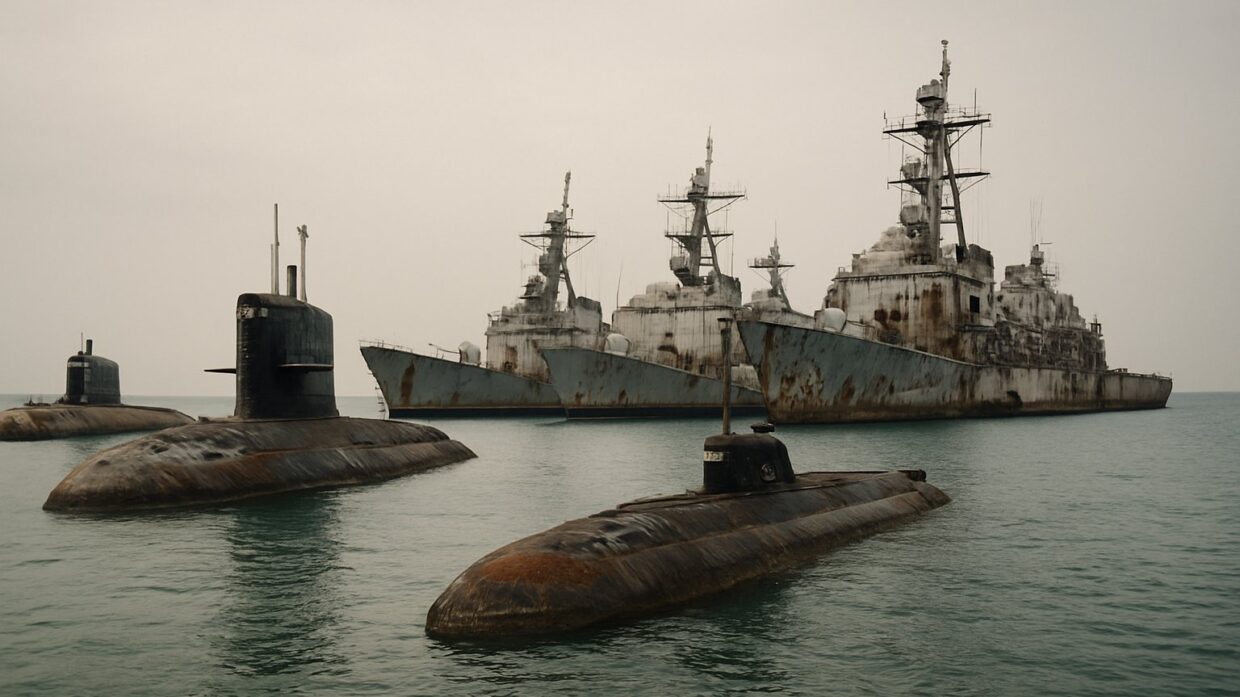
The conflict began three months prior to this May 2026 statement, meaning active hostilities have continued through a negotiation period. Trump's specific claim was that Iran's navy and air force have been substantially degraded and that the Iranian regime miscalculated by believing they could outlast his administration until the midterm elections. He stated he might need to "finish the job" militarily if negotiations stall. The Washington Examiner reports Trump rejected all Iranian demands outlined in unofficial drafts circulated by Iranian media, insisting he faces no pressure to accept unfavorable terms. PBS reported Trump was projecting confidence about reopening the Strait of Hormuz and achieving enough nuclear capability reduction to claim victory.
The left framing emphasizes Trump's willingness to escalate militarily rather than negotiate, using language like "threatened to finish the military job" and characterizing his position as evidence the administration lacks genuine commitment to diplomacy. The Guardian's coverage foregrounds Trump's threat language and notes the absence of concrete progress despite three months of conflict. This framing leaves out what specific Iranian demands were rejected, what the U.S. position actually entails regarding nuclear enrichment, or whether preliminary agreements on any issues have been reached. The omission serves a narrative that positions Trump as preferring military solutions.
The right framing emphasizes Trump's resolve and the military pressure working. The Washington Examiner describes Trump as "sticking to his gun" and frames the three-month conflict as evidence that military leverage is shifting Iranian calculus. Fox News quotes Trump declaring Iran negotiates from a position of exhaustion. This framing leaves out whether ongoing military operations have achieved stated objectives or whether they have increased regional instability. It does not address civilian consequences, costs to U.S. allies, or whether military degradation of Iranian capabilities actually changes negotiating incentives on nuclear issues. The right coverage treats military pressure as obviously productive without establishing what concessions it has yielded.
What neither side fully captures is the underlying question: whether the three months of conflict represents successful negotiating leverage or a stalled process where both sides are waiting for the other to blink. Trump claims Iran miscalculated by betting he would face pressure before midterms. The available reporting does not establish whether Iran's negotiating position has actually shifted or whether they are simply enduring military pressure while maintaining their demands. Rubio's claim of progress has no public evidence attached. No reporting discloses what the actual Iranian negotiating position is, what nuclear restrictions they have offered, whether they have accepted limitations on enrichment levels, or what Trump's fallback position is if no deal emerges.
The real question is whether this represents negotiations proceeding under military pressure or negotiations that have stalled while military operations continue. The available evidence does not distinguish between these scenarios.
Three months of simultaneous military operations and diplomatic talks without disclosed progress suggests the administration is using conflict as negotiating theater rather than a path to settlement. Trump's rejection of all Iranian proposals while threatening further escalation, combined with Rubio's vague claims of progress lacking any substantive detail, indicates no framework exists for agreement. This pattern signals the conflict will likely persist through the midterm elections regardless of stated negotiating positions, cementing a regional war as permanent fixture of Trump's second term. The absence of any public accounting of what Iran has actually conceded, what nuclear restrictions they have accepted, or what the administration's nuclear endgame actually requires means neither Congress nor allies can assess whether ongoing military operations serve negotiation or substitute for it. Without disclosed negotiating positions, the public cannot determine if military pressure is shifting Iranian calculus or simply sustaining conflict while both sides wait for domestic political conditions to change.