Photo: Well This Is News
Trump threatens 'finish the job' on Iran as Rubio claims progress in stalled talks
Trump: Iran negotiating on fumes, military weakened, may need military action
Trump signals military option as Iran nuclear talks continue amid clashes
Key Takeaways
- Active military clashes between U.S. and Iranian forces are occurring simultaneously with claims of negotiating progress, but the public record does not establish whether these clashes prove talks are advancing or have already collapsed.
- Trump claims Iran is negotiating from military weakness while documented evidence shows Iranian forces retain drone capacity and are actively using it, creating a disconnect between his rhetorical framing and the military reality on the ground.
- Neither side has disclosed what specific nuclear terms are actually being negotiated, what concessions each party has offered, or how close the parties are to a final agreement, leaving the true state of talks completely opaque.
The Analysis
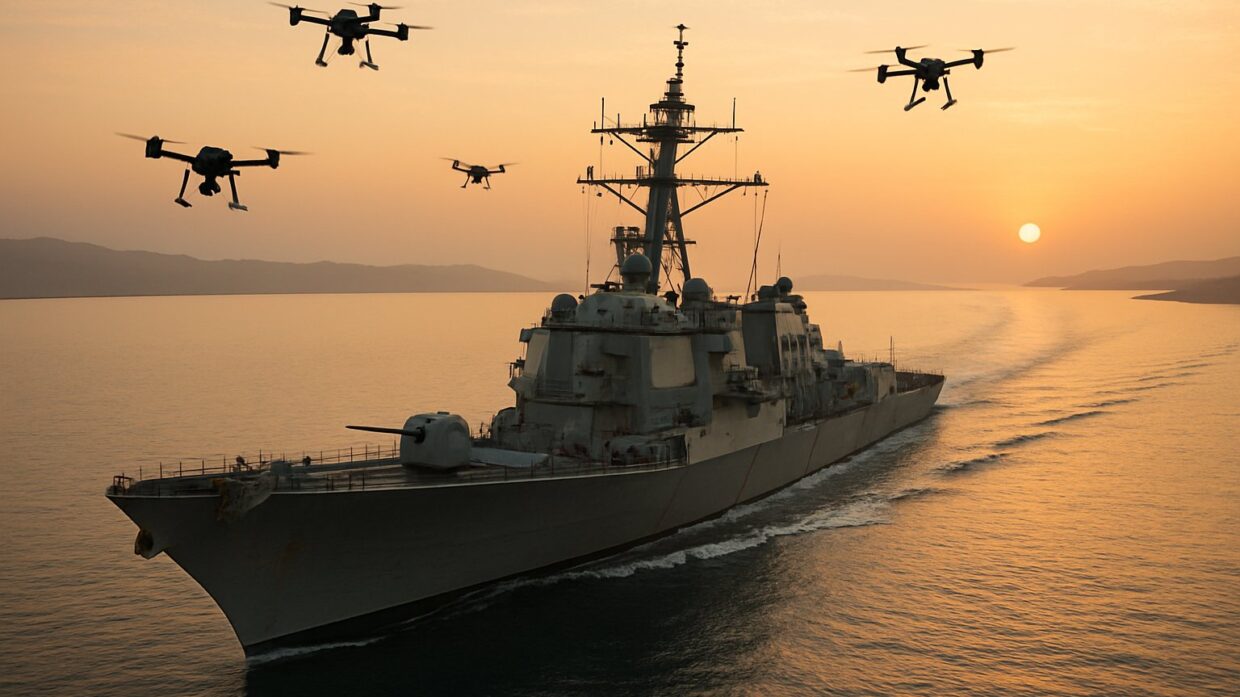
Trump told Cabinet members on May 27 that Iran was 'negotiating on fumes' and suggested military action might be necessary if talks fail, while simultaneously the U.S. military shot down Iranian drones in the Strait of Hormuz. The gap between these two events reveals a fundamental tension that neither side's framing fully addresses: whether the military clashes are happening because talks are progressing or failing.
The documented facts are these: Trump stated Iran's navy and air force are substantially degraded. A senior U.S. official confirmed the military shot down four Iranian one-way attack drones and struck a ground control station in Bandar Abbas on May 28. Trump said during the Cabinet meeting that he would not consider sanctions relief until a deal is signed and that 'nobody's going to control' the Strait of Hormuz. Secretary of State Rubio told The Guardian there has been 'some progress' in negotiations, though he did not specify what terms are under discussion or what concessions either side has offered.
The left's framing emphasizes Trump's threat language. The Guardian highlighted his phrase about potentially having to 'finish the job,' a formulation that carries historical weight given its use before previous military interventions. The reporting suggests Trump is using aggressive rhetoric as negotiating leverage or preparing public opinion for military action. This framing leaves out the fact that Iranian drones were actively targeting commercial shipping during talks, a detail that provides context for Trump's military confidence claims.
The right's framing emphasizes Trump's assessment of Iran's military position and interprets his language as confidence born from strength. Fox News reported Trump's claims about Iranian military degradation without independently verifying them. Bloomberg noted Trump's statement that no nation will control the Strait of Hormuz, framing this as a statement of intent rather than as the kind of ultimatum statement both sides are quietly omitting.
What neither side fully captures is a question the available reporting does not resolve: are these clashes evidence that negotiations are actually happening, or are they evidence that they have broken down? The Axios reporting notes U.S. and Iranian forces are in 'fresh clashes amid peace talks,' but the public record does not establish whether Trump's language reflects genuine progress toward terms both sides can accept, or whether he is preparing domestic and international audiences for military action he has already decided upon. Trump's explicit statement that he will not offer sanctions relief 'until a deal is signed' is significant because it narrows the negotiating space, but the reporting does not establish whether Iran has indicated this is a dealbreaker or whether talks are continuing despite this condition.
The phrase 'negotiating on fumes' deserves particular attention. Trump used it to mean Iran is weak and desperate. But the documented clashes suggest Iran retains drone capacity, training, and willingness to use it against commercial shipping. The rhetoric of weakness and the evidence of military action do not fully align, and the available reporting has not resolved whether Trump's assessment is accurate or whether he is making a negotiating claim designed to pressure Iran's negotiators.
History matters here: Iran withdrew from the 2015 nuclear deal in 2018 after the U.S. abandoned the agreement. The current negotiations are attempting to produce a new agreement under different terms. The public record does not establish whether those terms have converged or how close the parties actually are to resolution.
Military posturing during nuclear negotiations typically signals one of two outcomes: imminent agreement requiring a show of strength to justify concessions to domestic audiences, or collapsed talks requiring preparation for conflict. Trump's simultaneous claims that Iran negotiates weakly and his refusal to offer sanctions relief until a final deal narrows Tehran's incentive to compromise, potentially collapsing talks that Secretary Rubio claims show progress. If negotiations fail and military action follows, the structural decision to demand a signed deal before any relief was made public weeks before any conflict, meaning Trump has already constrained his own off-ramp. Iran's continued drone operations suggest either talks are proceeding despite military clashes or have already failed without public acknowledgment. The Strait of Hormuz controls roughly one-third of global maritime oil commerce; any disruption from escalation would trigger immediate energy market volatility and alliance strain with Europe, who need Middle Eastern stability for their own security.