Photo: Well This Is News
Zelenskyy Warns Trump Making 'Historic Mistake' by Siding with Putin Over Ukraine
Putin Pitches Guest List For Peace Talks. Here's Who's On It
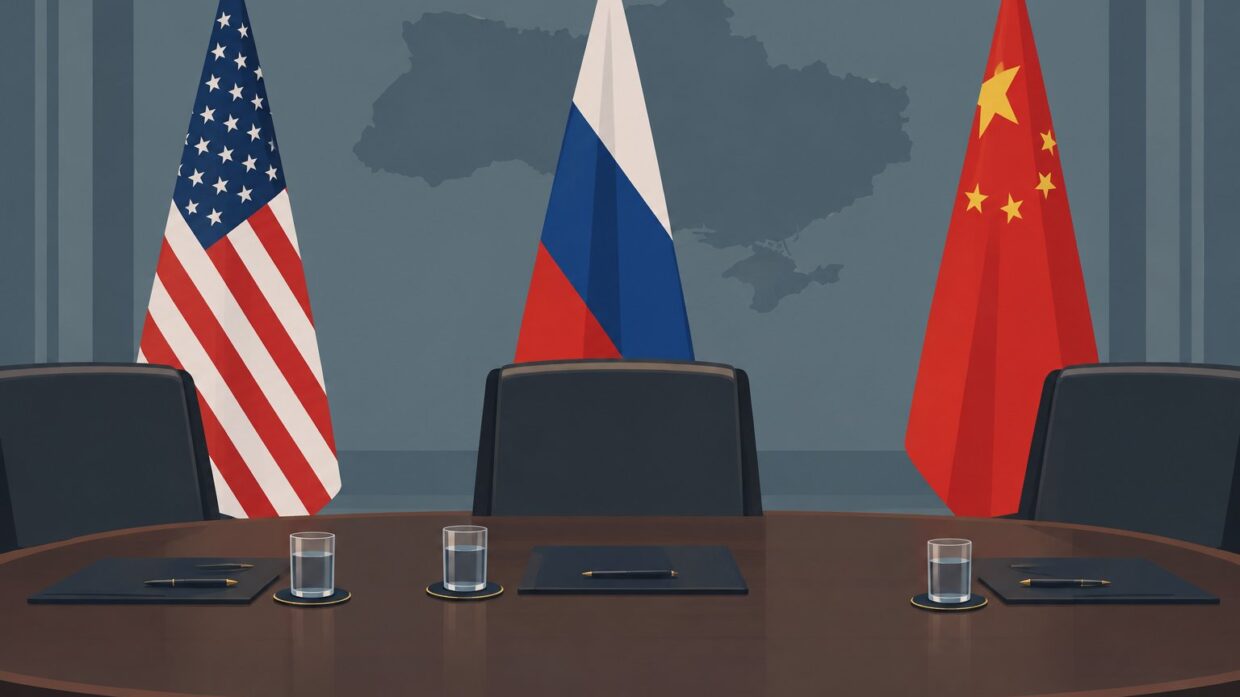
Trump Waives Russia Sanctions as Putin Proposes Three-Way Peace Talks with China
Key Takeaways
- The Wall Street Journal editorial board, an institutionally Republican outlet, criticized Trump's sanctions waiver as a betrayal of Graham's legacy, showing the move generated dissent even among Trump-aligned conservatives.
- Ukraine is not invited to talks being proposed about its own fate, meaning the negotiating structure itself excludes the country whose territorial integrity is at stake.
- Trump's specific strategic goals in accepting Putin's framework remain publicly undisclosed, leaving unclear whether he views the sanctions waiver and openness to three-way talks as leverage or concessions.
The Analysis
Trump has taken two specific actions that reshape U.S. posture toward Russia and Ukraine: he waived sanctions included in legislation bearing Lindsey Graham's name, and he received a proposal from Putin for three-way peace talks with China, proposed during an October 9 phone call. The left reads this as capitulation. The right reads it as opening diplomatic channels. Neither framing captures what the record actually shows about the sanctions waiver or what it signals about future Ukraine policy.
The documented facts: Trump exercised waiver authority over sanctions that Congress embedded in legislation named for Graham. The Wall Street Journal editorial board, not a left-leaning outlet, called this a betrayal of Graham's legacy, using the phrase 'stuck a shiv in the back.' That language choices matters because it came from editors aligned with institutional Republican finance and foreign policy, not from Democratic partisans. Zelenskyy explicitly stated Trump was making a 'historic mistake' and rejected a comparison between himself and Putin that Trump apparently made. Putin floated a specific diplomatic structure: a three-way meeting with Trump and Xi to negotiate Ukraine's end.
The left frame emphasizes Trump's apparent alignment with Putin over Ukraine. HuffPost leads with Zelenskyy's warning and Trump's Putin comparison, constructing a narrative of betrayal. That framing leaves out the specific diplomatic proposal Putin made, which is important because it establishes that this is not merely Trump deferring to Putin but Trump potentially accepting a structured negotiation framework. The left also does not foreground what leverage a Trump-Xi-Putin meeting might actually give the U.S. in talks, or whether such talks could constrain Ukrainian concessions. The emphasis stays on moral alignment, not on negotiating architecture.
The right frame emphasizes Putin's substantive proposal and positions it as a potential path to peace. The Daily Wire leads with 'Here's Who's On It,' framing the three-way meeting as constructive diplomatic architecture. That approach underplays several things: it does not address the sanctions waiver or what message waiving Graham-named sanctions sends about U.S. commitment to the existing sanctions regime. It does not report Zelenskyy's direct rejection or what Ukraine's position is in talks it is not invited to. It treats the proposal as neutral diplomatic posture when one participant, Russia, is the military aggressor in the war being negotiated.
What neither side fully captures: Trump's sanctions waiver and his openness to Putin's three-way meeting structure may reflect different U.S. strategic calculations about how to end the war, not simple alignment with Moscow. But the public record does not disclose what those calculations are. What remains unclear is whether Trump views these moves as leverage tools or as concessions. Equally important is what neither framing addresses: Ukraine is not a party to talks about its own fate. That structural question about negotiating format, not just the actors' alignment, is where the significant issue actually lies. A more complete headline might read: 'Trump Signals Shift on Russia Sanctions While Considering Peace Framework that Excludes Ukraine from Direct Talks.'
Waiving sanctions Congress tied to Lindsey Graham's name signals Trump may accept a negotiating framework where Ukraine sits outside talks determining its own borders. The Wall Street Journal's Republican editorial board called this a betrayal, not Democratic activists, which matters because it reflects institutional Republican rejection of Trump's move on grounds of U.S. credibility, not partisan opposition. Putin's three-way proposal with China creates a structure where American leverage depends entirely on Trump's ability to use Xi as counterweight to Moscow, a calculation never tested at this scale. If Trump accepts this format, the U.S. enters negotiations on Russia's preferred terms: as mediator between two powers rather than as guarantor of Ukrainian sovereignty. The sanctions waiver removes a concrete enforcement mechanism before talks even begin.