Photo: Well This Is News
Trump Overstates US Control While Iran Blockade Signals Escalation Risk, Military Sources Warn
Trump Signals Major Middle East Breakthrough as Iranian Protests Intensify Against Ayatollah Rule
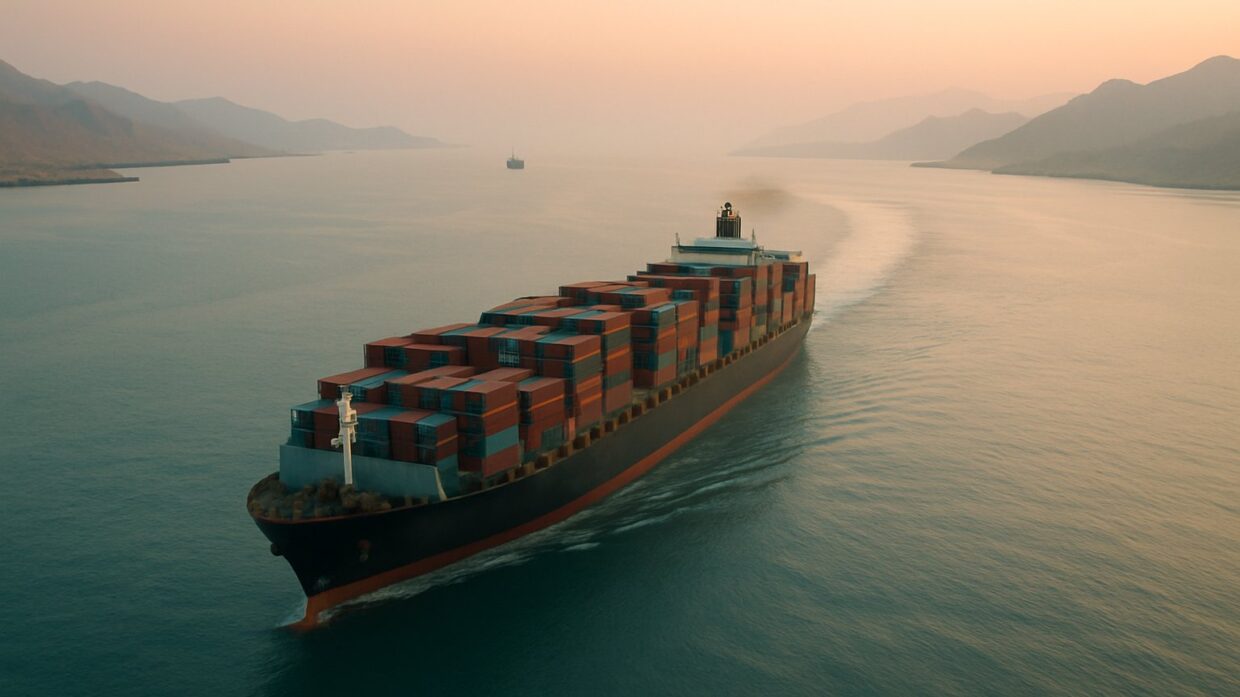
Trump Claims US Control of Hormuz Strait as Iran Seizes Container Ships; Pentagon Eyes Six-Month Mine Clearance
Key Takeaways
- The Strait of Hormuz has been contested territory since 1979, with Iran seizing ships and the US imposing sanctions in recurring cycles—suggesting the current escalation stems from Trump's 2018 withdrawal from the Iran nuclear deal that removed sanctions relief and negotiated constraints.
- Iran's pattern of seizing ships and laying mines indicates a strategy to reassert leverage in the absence of any agreement, not a sudden tactical shift, meaning the current crisis reflects broken negotiations rather than a new Iranian threat.
- Both sides' framing omits the upstream cause: Trump's 2018 nuclear deal withdrawal eliminated the pragmatists who negotiated the 2015 agreement and the diplomatic framework that had previously constrained Iranian nuclear activity.
The Analysis
Trump declared total US control over the Strait of Hormuz after Iran seized two container ships, yet Pentagon officials simultaneously briefed that clearing Iranian mines could take six months—a detail that inverts the entire meaning of his claim without a single word of contradiction.
Here's what actually happened: Iran seized two container ships in the strait on April 23, 2026. Trump responded with a statement asserting US control. Pentagon sources told reporters mine clearance operations could require half a year. The same day, Trump signaled a major Middle East breakthrough following an Oval Office meeting. Separately, Iranian protests against ayatollah rule have intensified. These are the named facts. Everything else is framing.
The left frames this as Trump's hubris colliding with military reality. The Guardian's headline choices—"Trump claims," "extended naval blockade is an admission"—use the word "admission" to transform a Pentagon operational briefing into a confession of failure. The phrase "even greater risk" names the omitted history: this isn't the first escalation. The Guardian's analysis piece argues Iran appears "united by strategy born of war," directly contradicting Trump's claim of regime infighting. The omission the left makes: it does not mention that Trump's Oval Office meeting produced any concrete agreement, or name what that alleged breakthrough actually consists of. The omission is politically convenient because it allows the claim that Trump is all talk and no substance.
The right frames this as Trump's strength exposing Iranian weakness. The Daily Wire headline invokes "Iranian protests intensify as citizens demand end to ayatollah rule"—connecting anti-regime sentiment directly to Trump's diplomatic signal. The word "breakthrough" is used without qualification. The omission the right makes: it does not name the Pentagon's six-month mine clearance timeline, or explain why a blockade that requires half a year of mine removal qualifies as evidence of American control. The omission is politically convenient because acknowledging the timeline would complicate the narrative of imminent victory.
What neither side is saying: The Strait of Hormuz has been contested ground since the 1979 Iranian Revolution, and US military dominance there has never been absolute. In 2019, Iran shot down a US Navy drone over the strait. In 2021, Iran seized a South Korean tanker. In 2022, Iran seized two Greek tankers. This is a pattern, not a surprise. The US responded to previous seizures with sanctions and military positioning. The fact that both sides are now seizing ships and laying mines suggests the current escalation cycle began somewhere upstream—a broken agreement, a withdrawn concession, a sanction imposed. Trump withdrew from the Iran nuclear deal in 2018. That withdrawal removed the negotiated constraints on Iranian nuclear activity and the sanctions relief that had incentivized Iranian compliance. The "regime infighting" Trump describes may reflect the fact that the pragmatists who negotiated the 2015 deal—and who had political capital invested in its success—have less power now. The seizures may be Iran's way of reasserting leverage in the absence of any agreement. The mines may be Iran's way of saying: if you want control of this strait, you will pay for it.
The real headline: Trump claims total control of contested waters while his own military confirms it will take half a year just to clear Iranian mines—a fact that defines the actual balance of power and explains why both sides are still fighting over the same space they have been fighting over for decades.
The Strait of Hormuz seizures reveal that US military dominance in global chokepoints is no longer absolute, forcing future administrations to negotiate rather than dictate in regions where American power has eroded to contested equilibrium.