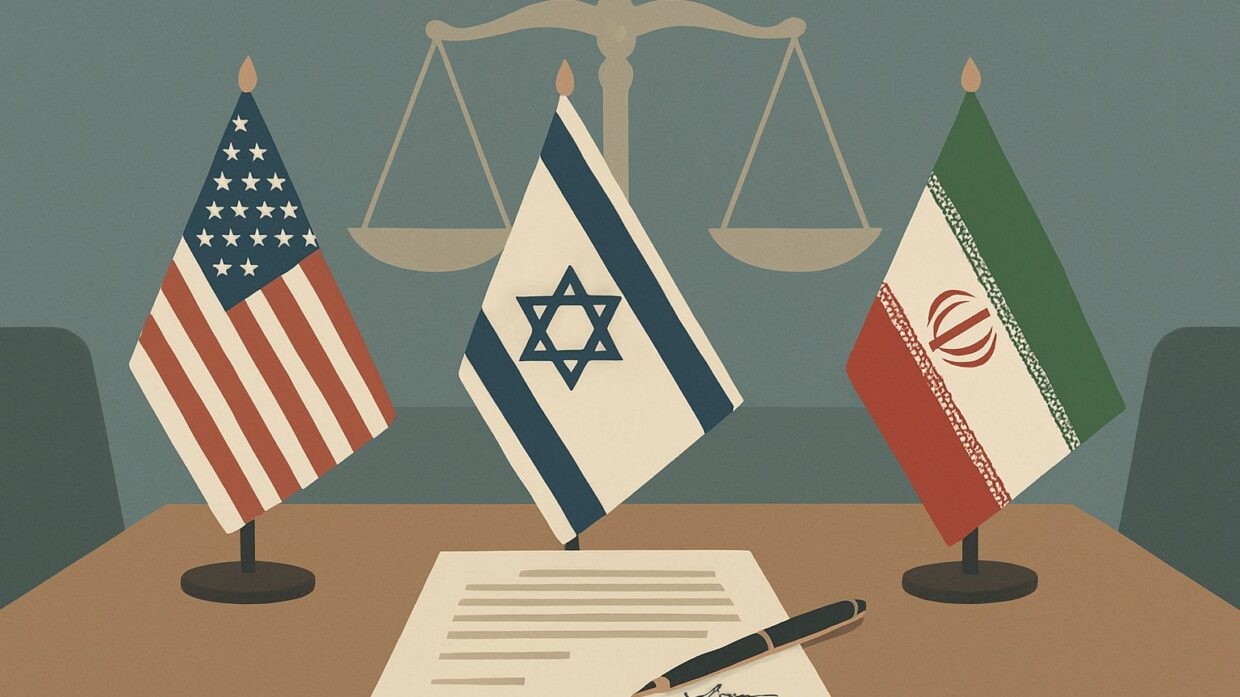
Photo: Well This Is News
Trump flip-flops on Iran peace talks while oil markets calculate the cost
Trump positioned for strongest Iran leverage since 1979 to secure lasting deal
Trump administration pursues Iran peace deal after two years of military strikes
Key Takeaways
- Neither side has publicly identified the specific contested issues blocking agreement, what the U.S. is offering in return for concessions, or what verification and enforcement mechanisms the draft agreement contains.
- The core unstated question is whether degraded Iranian military capacity will produce a genuine settlement or simply a temporary ceasefire that both sides expect to resume once Iran re-arms.
- A reader relying on either framing cannot evaluate whether a settlement is genuinely likely because both sides argue about Trump's intentions and military leverage rather than analyzing the actual terms under negotiation.
The Analysis
Trump administration officials say they are negotiating an end to a two-year U.S.-Israeli military campaign against Iran, but the public record shows a sharp contradiction between stated positions and actions that undermines confidence the deal will materialize. On Saturday Trump stated talks were proceeding well and an agreement was largely negotiated. Within 24 hours the U.S. launched strikes on Southern Iran. By Thursday Trump had circulated a draft agreement to Israel and other allies. The sequence itself raises questions about whether the administration has a coherent negotiating strategy or whether public statements serve tactical purposes disconnected from actual diplomatic intent.
The documented facts are these: a two-year military campaign has degraded Iran's nuclear program, air defenses, missile infrastructure, and regional proxy network. The Daily Wire reports that Trump now holds negotiating leverage against Iran greater than any president since 1979. Trump told The Hill that Iran is a strong negotiator but that U.S.-Israeli military success has shifted the balance. A draft agreement now circulates among allied governments. The Guardian reports both sides are attempting to prevent fresh ceasefire breaches from derailing negotiations. No signed agreement yet exists, and JD Vance has stated publicly the U.S. is not there yet on terms.
The left-leaning frame emphasizes Trump's rhetorical inconsistency and questions his intentions. The Guardian's podcast title invokes "the boy who cried peace," drawing a direct comparison to false alarm-raising and suggesting Trump's statements are unreliable as predictors of action. The Atlantic's framing shifts toward incentive analysis, asking whether Trump has economic reason to delay closure: oil markets expect him to end the war imminently, the Atlantic reports, and that expectation may explain why he does not. This framing leaves out whether there are genuine Iranian demands that remain unmet, or whether military pressure remains necessary to secure concessions. It also does not establish whether oil price expectations are based on market analysis or speculation.
The right-leaning frame argues this moment represents an optimal negotiating window and that Trump should use accumulated military advantage to secure the strongest possible terms. The Daily Wire specifically names the degraded Iranian infrastructure and weakened regional position as facts that should compel Iranian concessions now. This framing leaves out the human cost of two years of military operations, the risk that negotiations could collapse and fighting resume, and whether Iran's damaged position creates desperation that could lead to miscalculation. It also does not acknowledge what concessions the U.S. is offering in return.
What neither frame adequately addresses is the substance of the negotiation itself. The sources name no specific Iranian demands that remain contested, no specific U.S. offers or conditions, and no detail about what verification or enforcement mechanisms the draft agreement contains. The left emphasizes Trump's inconsistency without explaining whether the inconsistency reflects negotiating tactic or genuine instability. The right emphasizes U.S. leverage without analyzing what Iran's negotiating bottom line actually is or whether military victory has created a settlement amenable to both sides or simply a ceasefire in place awaiting the next conflict.
The underlying question is whether degraded military capacity produces diplomatic openness or whether it creates incentives for rapid re-armament once a deal concludes. The public record does not yet establish whether Trump's draft agreement addresses monitoring, sanctions relief, regional proxy activity, or nuclear enrichment. Without that detail, the framing from both sides amounts to assertion about intentions rather than analysis of terms. A reader informed only by these sources cannot evaluate whether a genuine settlement is likely or whether both sides are simply pausing a conflict they expect to resume.
The credibility of American negotiating power depends on consistency between public statements and military action, yet this administration has undermined that consistency by claiming diplomatic progress while launching strikes and circulating draft agreements within days of contradictory announcements. The specific terms of any Iran agreement remain entirely opaque to public scrutiny, with neither side disclosing what concessions are actually being exchanged, what verification mechanisms exist, or whether degraded Iranian military capacity produces genuine settlement or merely a temporary ceasefire before re-armament. Future administrations will inherit whatever commitments Trump makes without public transparency, and if terms prove inadequate or unverifiable, the credibility damage extends beyond this negotiation to all future U.S. diplomatic efforts. The pattern of rhetorical inconsistency coupled with classified terms suggests the public cannot meaningfully evaluate whether this administration has secured a durable settlement or simply paused a conflict it expects to resume.