Photo: Well This Is News
Zelenskyy Condemns Russian 'Cynicism' as Moscow Strikes Before Parade Truce
Ukraine Ramps Up Strikes as Putin Offers Disingenuous Victory Day Ceasefire
Ukraine and Russia Both Escalate Attacks Days Before Victory Day Ceasefire
Key Takeaways
- Ukraine launched major attacks on Russian energy infrastructure including the Kirishi refinery in the same 72-hour window when Russia was conducting intensive strikes, meaning both sides escalated simultaneously before the proposed pause.
- Both Ukraine and Russia have abandoned attempts at substantial ceasefires and instead treat temporary pauses around national holidays as standard practice, with each side timing its heaviest attacks to occur immediately before any agreed truce.
- The pattern of mutual escalation before holiday ceasefires reveals that neither side believes the other will honor agreements, so both nations view the hours before a truce as a final window to inflict maximum damage.
The Analysis
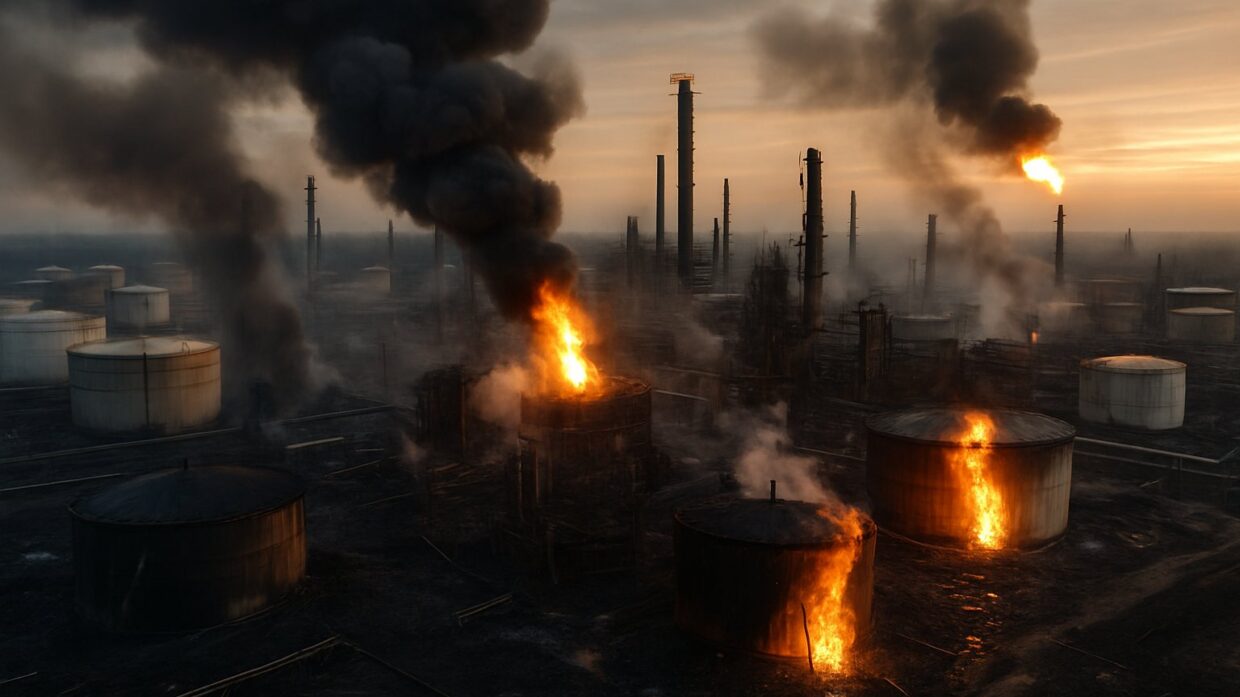
Both Ukraine and Russia are now claiming the other side negotiated in bad faith over a two-day ceasefire tied to Russia's Victory Day parade on May 9, and the immediate facts support both accusations simultaneously. In the 72 hours before the truce was set to begin, Russia conducted drone and missile strikes that Ukrainian authorities said killed at least 23 people, while Ukraine struck the Kirishi refinery near the Baltic coast and other Russian infrastructure, with satellite imagery showing fires at the facility. Neither side is wrong that the other escalated. What neither side is saying is why this pattern reveals something deeper about how this war actually works.
The left's framing, articulated most directly by The Guardian, centers on Moscow's "utter cynicism." Zelenskyy's exact words were that Russia sought a ceasefire "so it can stage a military parade" while "carrying out missile and drone strikes every single day leading up to it." This framing treats the ceasefire proposal as pure propaganda, a maneuver designed to make Russia appear reasonable to international audiences while inflicting maximum damage in the final window. The Guardian's reporting includes the detail that Moscow shut down airports and mobile internet access in the lead-up to May 9, framing this as defensive security measures. The omission: that Ukraine has successfully conducted drone strikes deep into Russian territory, including at military targets, which is why Russia is actually tightening security. The left doesn't mention that Zelenskyy rejected the ceasefire, not accepted it reluctantly.
The right's framing, from the Washington Examiner, reverses the narrative entirely. The headline states that "Ukraine plays Putin on disingenious Victory Day truce," treating Zelenskyy's rejection as shrewd rather than moral. The logic: Putin's two-day pause is meaningless because it doesn't represent genuine de-escalation, merely a 48-hour pause around a propaganda event. The right uses the word "disingenious" (misspelled from "disingenuous" in the original), emphasizing the hollow nature of the offer. This framing treats Zelenskyy as the more sophisticated player, one who understands that Putin is manipulating international opinion. The omission: any acknowledgment that Ukraine also escalated attacks in the same window, striking Russian energy infrastructure and refineries. The right presents only Russian escalation as the story.
What both sides leave entirely unexamined is the structural reality this ceasefire proposal reveals. Russia offered a two-day pause around its most important national holiday, the Victory Day celebration marking Soviet victory in World War II. This is not a negotiating tactic; it is standard practice in this war. Neither side has been willing to agree to meaningful ceasefires of substantial length, so both have settled into tactical pauses around holidays and military anniversaries. Ukraine struck Russian energy infrastructure explicitly in the days before the proposed pause, confirming that both nations view the window before a truce as an opportunity to inflict maximum damage before the pause begins. This is how wars of attrition actually function when neither side believes the other will honor a longer ceasefire.
The real headline neither side wants examined is this: both Ukraine and Russia treat temporary ceasefires as cynical theater around national holidays rather than as steps toward actual negotiation, and both nations time their largest strikes to occur in the hours before truces they don't believe will lead anywhere. The "utter cynicism" Zelenskyy condemned is matched by Ukraine's own tactics. The left calls this justified retaliation. The right calls it shrewdness. The actual story is that this war has calcified into a pattern where pauses mean nothing and escalation before pauses means everything.
Russia's and Ukraine's competing escalations before the Victory Day ceasefire expose a structural deadlock that will determine how this conflict evolves over the next 18 months. Both nations now treat temporary pauses as mere theater, timing their heaviest strikes for the 72 hours before any truce begins, which means negotiated de-escalation has become mathematically impossible without fundamental shifts in either side's war aims. The pattern reveals why conventional mediation efforts fail: international mediators propose ceasefires assuming both parties view pauses as steps toward peace, when the actual behavior shows both governments view pauses as enforced waiting periods that make escalation beforehand more valuable. This dynamic will persist through any future negotiations unless one side achieves decisive military advantage or international pressure forces synchronized constraints on both forces simultaneously, neither outcome appearing imminent.