Photo: Well This Is News
Trump orders fresh Iran strikes as diplomatic efforts accelerate
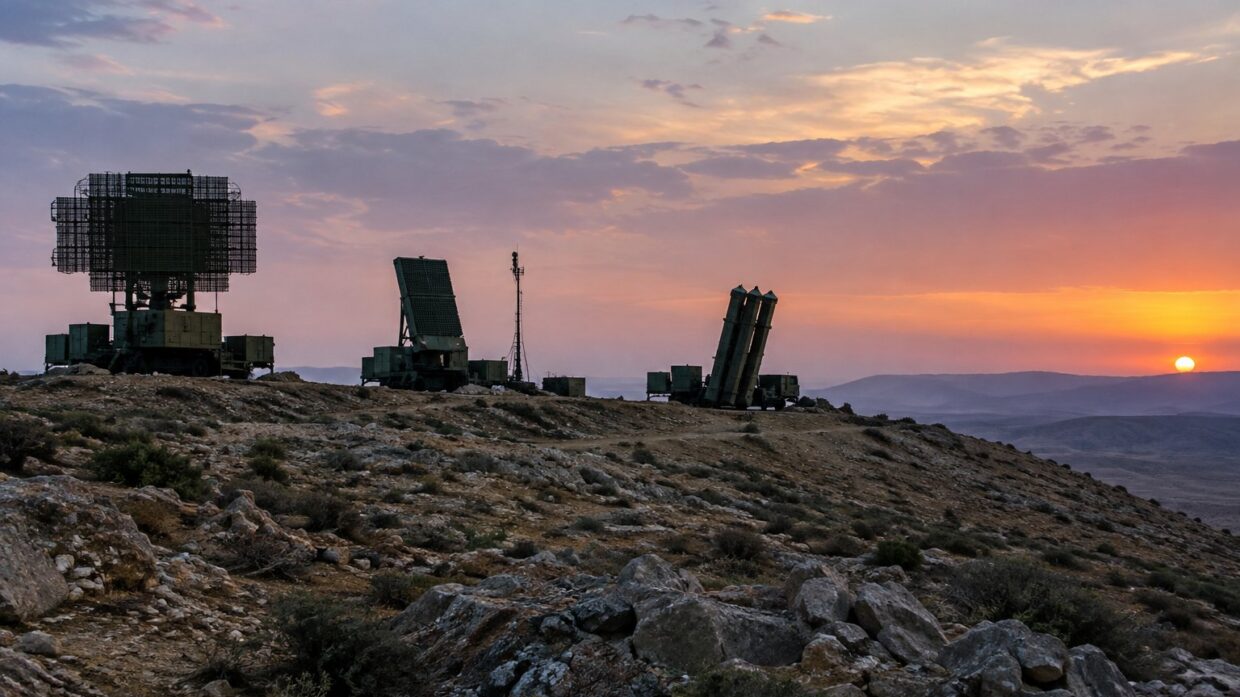
US military targets Iranian defenses in latest defensive operation
We haven't found a neutral take on this story yet.
Breaking stories sometimes publish before every side has covered them. We'd rather show you that than invent a view.
The Analysis
The Trump administration has now conducted two separate strike operations against Iran within a four-day window, with the second operation becoming public on Friday. Trump specifically characterized both operations as limited or minor, a deliberate word choice that deserves scrutiny. The first strike targeted Qeshm Island on Monday; the second targeted an Iranian air defense system on Friday. The reporting does not establish the specific military installations struck in either operation beyond these general categories.
What the record establishes is a timeline. The first strike occurred Monday. The second occurred Friday. Trump made both public through direct statements rather than through military briefings or formal announcements, which shapes how the information enters public circulation. The Guardian reports that diplomatic efforts have accelerated during this same window, creating a temporal overlap between military operations and negotiation. The Hill reports the strikes targeted air defense systems specifically, suggesting a narrowly tailored military objective rather than broader infrastructure damage.
The left framing emphasizes the word escalation and the apparent contradiction between simultaneous bombing campaigns and diplomatic talks. The Guardian's headline placement of escalating strikes alongside accelerated diplomacy creates an implicit tension: these activities appear to work against each other. The framing leaves out any military justification for why the timing of these strikes served a necessary defensive purpose. It does not report whether Iranian military actions triggered these responses or whether the strikes were preemptive.
The right framing emphasizes the word defensive and limited. The Hill describes these as defensive strikes, a characterization that assumes threat context the reporting itself does not establish. By calling them limited and describing them as targeted at specific air defense systems, the framing creates a sense of measured, calibrated response. This framing leaves out how many strikes have now occurred in rapid succession and leaves unstated whether this pace is consistent with prior US military doctrine or represents a shift in operational tempo.
Neither framing addresses what remains undisclosed in the public record. The available reporting does not establish which Iranian military actions, if any, prompted these strikes. It does not confirm whether these operations were authorized under existing military authorities or required specific presidential approval. It does not clarify the strategic objective beyond describing the tactical targets. The reporting leaves unclear whether the strikes are intended to deter further Iranian action, destroy specific military capabilities, or signal to Iran that military options remain available during negotiations.
The underlying question is whether these two operations represent a calibrated military strategy designed to maintain negotiating leverage or a pattern of escalation that makes diplomatic resolution less likely. The public record does not yet establish that answer. What it does show is that Trump administration officials have chosen to describe both operations as minor and limited, a rhetorical choice that serves to contain the framing of their significance while the administration simultaneously pursues diplomatic channels. A reader who only knows today's headlines would not understand why air defense systems were selected, what specific Iranian capabilities these strikes eliminated, or whether this operational tempo is temporary or sustained.
Repeated limited strikes against Iranian air defense systems narrow Tehran's options during simultaneous negotiations, potentially forcing Iran toward either escalatory response or capitulation at the bargaining table. Each operation that destroys defensive capabilities without broader infrastructure damage signals the US can maintain military pressure indefinitely while talking. This creates asymmetric leverage that either accelerates a diplomatic settlement on American terms or provokes Iranian retaliation that justifies further strikes. The administration's public characterization of strikes as minor obscures the cumulative effect of two operations in four days, which establishes a new operational baseline. Future administrations will inherit this precedent of combined strike-and-negotiate tactics, institutionalizing military operations as routine accompaniment to diplomacy rather than exception or last resort.