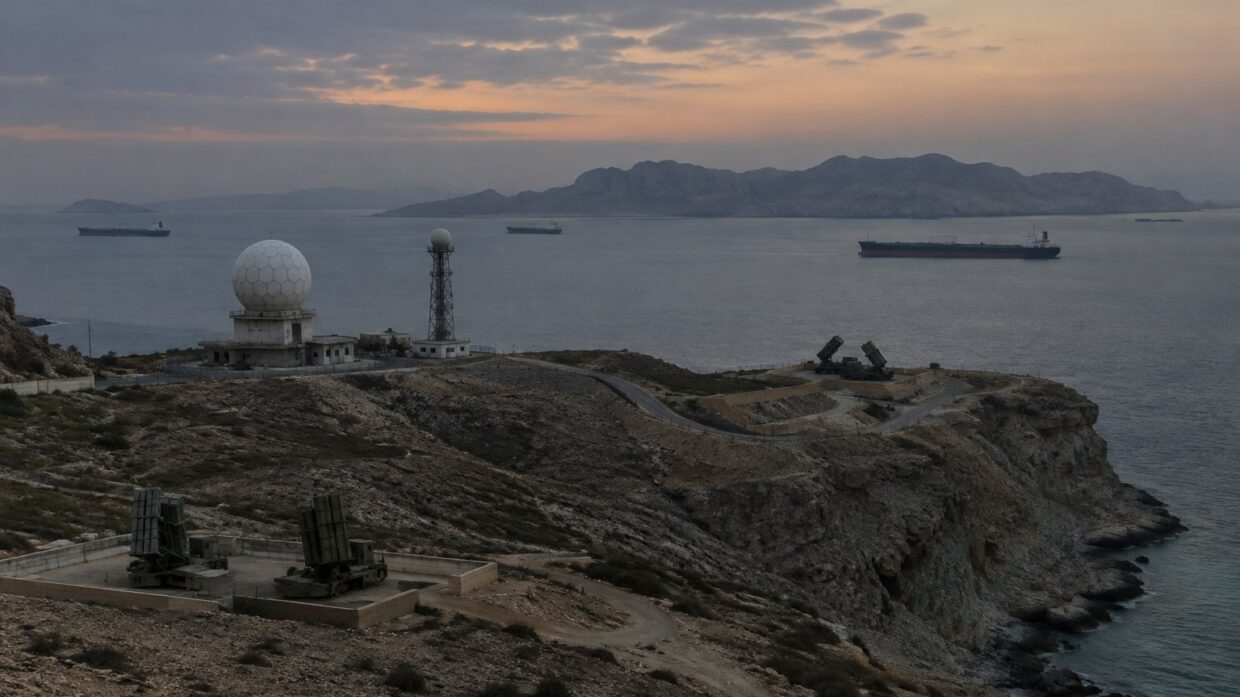
Photo: Well This Is News
U.S. strikes Iran's Qeshm Island as Vance signals optimism on potential deal
U.S. launches defensive strikes on Iran's Qeshm Island ahead of midterm elections
U.S. conducts strikes on Iran's Qeshm Island as diplomatic talks continue
Key Takeaways
- The public record does not establish whether the strikes were scheduled before Vance's diplomatic statement, whether his statement responded to the strikes, or whether both represented coordinated strategy.
- U.S. officials have not disclosed what specific Iranian military action on Monday prompted the strikes, leaving unclear whether they targeted an immediate threat or were part of a planned rotation.
- The strikes occurred simultaneously with diplomatic signals while one day before elections, but reporting has not explored whether the timing reflected military necessity, strategic coordination, or institutional independence.
The Analysis
The U.S. military struck radar and missile systems on Iran's Qeshm Island on Monday night, hours after Vice President JD Vance signaled openness to negotiations and one day before midterm elections. The timing creates an apparent contradiction that neither side's framing adequately addresses: defensive military action and diplomatic overture do not naturally occur together, and the electoral calendar compounds the interpretive problem.
What actually happened is verifiable from multiple sources. U.S. officials confirmed strikes targeting radar detectors and missile launchers on Qeshm Island, a strategically significant location in the Strait of Hormuz housing Iranian military infrastructure. The Hill reported the operation targeted "radar detectors and missile launchers." Iranian state media reported explosions on the island. Officials across sources characterized the strikes as "defensive" and "limited," distinguishing them from broader military escalation. This was the first such operation in two months, according to reporting. The strikes occurred as mediators continued pushing for negotiations between the two sides.
The left frame, represented by The Guardian and NBC News, emphasizes the tension between military action and diplomatic signals. The Guardian's headline pairs the strikes with "Vance voices optimism about a deal," creating a narrative of simultaneous pressure and negotiation. This framing leaves out the specific military rationale for Monday's timing: what Iranian action prompted the strikes, and whether that action contradicted negotiating positions. The Guardian notes the strikes came "on the eve of crucial US midterms" but does not explore whether the electoral calendar influenced the decision to strike or release news of the strikes when announced.
The right frame, represented by the Washington Examiner, emphasizes the defensive character of the strikes and their relationship to Iranian military capability. The Examiner leads with "defensive strikes," a classification that carries legal and strategic meaning under international law and domestic authorization frameworks. The Hill similarly notes the strikes were "defensive in nature." This framing centers the military justification but leaves out what The Guardian foregrounds: the simultaneity of military action and diplomatic optimism from a sitting vice president. It does not explore whether announcing strikes during an election cycle affects public perception of security competence or whether the defensive rationale was the sole driver of timing.
What neither side fully captures is the underlying sequence. JD Vance, who has long advocated restraint in Middle East engagement, signaled openness to a deal. Within hours, the U.S. military conducted strikes. The public record does not disclose whether the strikes were scheduled before Vance's statement, whether his statement responded to the strikes, or whether both were coordinated with a single strategic objective. The available reporting establishes only that they occurred in temporal proximity. Similarly, the reporting does not establish whether the strikes targeted immediate Iranian threats identified Monday, or whether they were part of a planned rotation. The emphasis on "defensive" strikes matters legally but does not address causation: what made Monday the day to execute defensive operations described as continuing a pattern from prior months.
The real headline is this: the U.S. conducted targeted military strikes on Iranian military infrastructure while signaling diplomatic availability, one day before elections, and the public record does not establish whether this represented coordinated strategy or competing institutional signals.
Strikes paired with diplomatic overtures scramble interpretation precisely because the U.S. government has not clarified whether this represents coordinated strategy or institutional contradiction. The timing matters because it establishes a precedent for how presidents and vice presidents signal strength and flexibility simultaneously to both adversaries and domestic audiences during electoral moments. If the strikes and Vance's statement were choreographed, the administration has normalized using military operations as negotiating theater. If they were uncoordinated, the strikes reveal competing power centers within the executive branch that neither Congress nor the public can effectively constrain. Either way, future administrations will face reduced pressure to disclose whether military action serves defensive necessity or electoral timing, since this episode demonstrates the tactic works without transparency about causation.