Photo: Well This Is News
U.K. says Iran almost certainly behind plot targeting U.S. bomber base
Britain Blames Iran's IRGC for Attempted Terror Plot That Forced U.S. Bombers Out of the UK
Britain attributes RAF Fairford security threat to Iran's Revolutionary Guard
Key Takeaways
- The public record contains no disclosed evidence supporting the IRGC attribution, no details about the suspected plot's nature, and no confirmation of arrests or operational specifics.
- RAF Fairford has hosted U.S. bombers since 2003 and is documented to have conducted air strikes targeting Iran, making it a known and predictable Iranian target rather than a surprise choice.
- The timing and trigger of the alleged plot remain unexplained in official statements, leaving unclear whether it preceded or followed any recent U.S. military or sanctions actions against Iran.
The Analysis
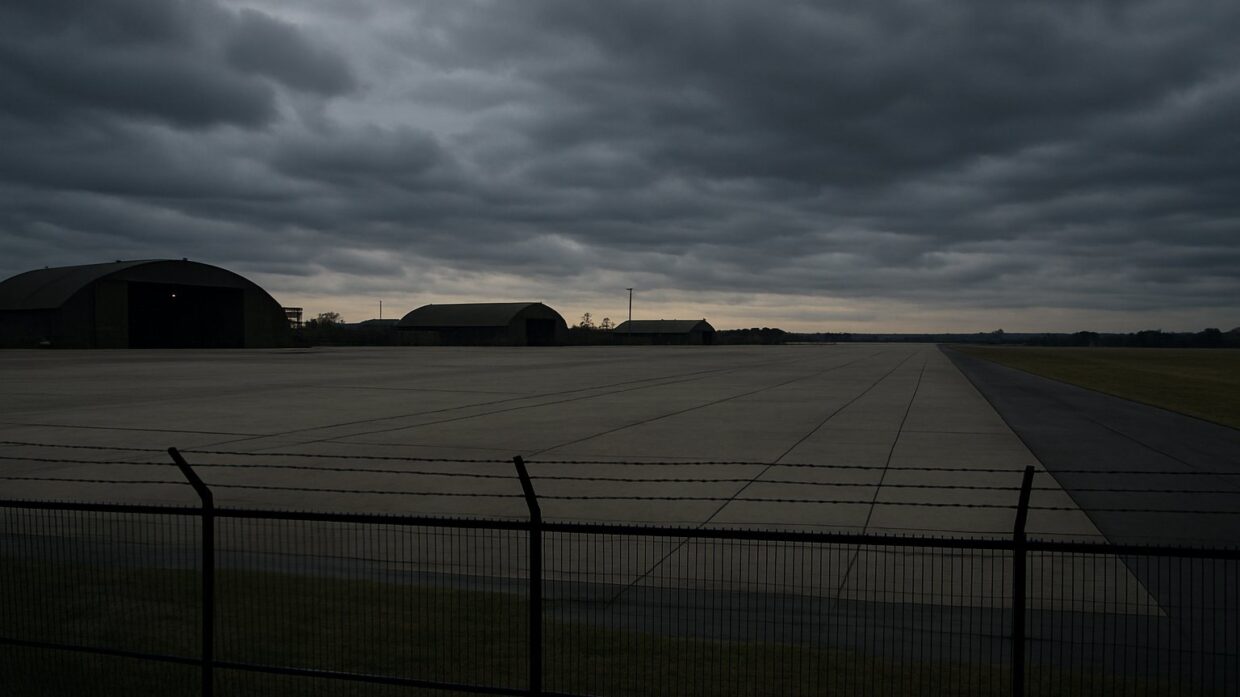
Britain officially attributed a security threat at RAF Fairford to Iran's Islamic Revolutionary Guard Corps, triggering the evacuation of 12 U.S. B-1 bombers and a formal diplomatic confrontation that included summoning Iran's ambassador. What matters most is not the attribution itself, but what each side is emphasizing and what all three framings leave unstated about the prior escalations that preceded it.
The documented sequence: Prime Minister Andy Burnham told Parliament on Monday that the IRGC was "almost certainly" responsible for the suspected plot targeting the airbase. Foreign Secretary David Miliband told the House of Commons that "Britain won't tolerate threats on our soil" and summoned the Iranian ambassador. The U.S. withdrew all B-1 bombers from the facility, citing the security threat. No arrests have been announced. No specific operational details of the plot have been disclosed. The public record does not establish the nature of the threat, the evidence level behind the attribution, or the timeline of discovery.
The right frame, represented by Breitbart, structures the story around Iranian aggression: "attempted terror plot" and "forced U.S. Bombers Out." The language emphasizes violation of sovereignty and the phrase "the British airbase used by American bombers to strike Iran" establishes context that positions the base as a platform for U.S. offensive operations against Iran. This framing leaves out the history of prior U.S. actions that may have prompted Iranian response, including the U.S. withdrawal from the Joint Comprehensive Plan of Action in 2018 and subsequent sanctions campaigns.
The left and center frames, represented by BBC and Axios, use Burnham's own language: "almost certainly," emphasizing the qualified nature of the assessment. The BBC frames this around formal government accountability and the summoning of the ambassador, suggesting procedural seriousness. Axios emphasizes the attribution and the reason it matters: establishing official responsibility. What both moderate framings do not foreground is the distinction between "almost certainly" and confirmed attribution, or the evidentiary standard behind the assessment. The word "almost certainly" suggests a confidence level below proof, yet both outlets present the attribution as established fact in their headlines and leads.
What neither framing fully captures is the escalatory cycle that precedes this moment. RAF Fairford has hosted U.S. bombers since 2003. The facility's role in targeting Iran with air strikes is documented and public. Iran's Revolutionary Guard has, according to prior reporting, indicated it views facilities used to launch strikes against Iran as legitimate targets. The U.S. reimposed sanctions on Iran in 2018 after withdrawing from the JCPOA, and sanctions have tightened multiple times since. This is not new Iranian hostility; it is a documented pattern of response to escalation. None of the three sources establish whether the plot, if real, emerged before or after any recent U.S. actions.
The real headline is narrower and more honest: Britain officially blamed Iran's IRGC for a security threat at a U.S. bomber base, but the public record does not yet disclose the evidence, specifics, or what triggered the plot's timing. The diplomatic response reflects the seriousness with which Britain treats the threat, not the certainty of the attribution.
Britain's attribution of the RAF Fairford threat to Iran's Revolutionary Guard establishes official responsibility without disclosing the evidentiary standard behind an "almost certainly" assessment that falls short of proof. This distinction matters because it sets a precedent for how allied governments can publicly blame foreign actors based on qualified confidence levels rather than demonstrated evidence, potentially normalizing attribution announcements that outpace verifiable intelligence disclosure. The summoning of Iran's ambassador and withdrawal of U.S. bombers represent diplomatic and operational responses to an undisclosed threat whose nature, timeline, and causal relationship to prior escalations remain unstated. The lack of clarity about whether the plot preceded or followed recent U.S. actions obscures whether this represents Iranian initiation of hostilities or response to specific escalation, fundamentally altering the escalatory calculus and the justification for the response itself.