Photo: Well This Is News
Trump's failed ceasefire push backfires as Ukraine defies pressure, resumes Russian oil attacks
Ukraine launches new attacks on Russian refineries after brief truce declared by Trump
Ukraine resumes refinery strikes after Trump-backed energy ceasefire collapses
Key Takeaways
- Trump announced the energy ceasefire without confirmed consent from Russia or Ukraine, and both sides violated or rejected it within hours, suggesting the framework was structurally unworkable from the start.
- Trump has used intelligence restrictions as a tool to pressure Ukraine into accepting military constraints, but Zelenskyy views such constraints as incompatible with Ukraine's ability to negotiate from strength.
- Ukrainian refinery strikes are militarily effective but also constitute escalation, yet neither US side has publicly examined whether these targets were chosen for military advantage or to deliberately undermine ceasefire proposals.
The Analysis
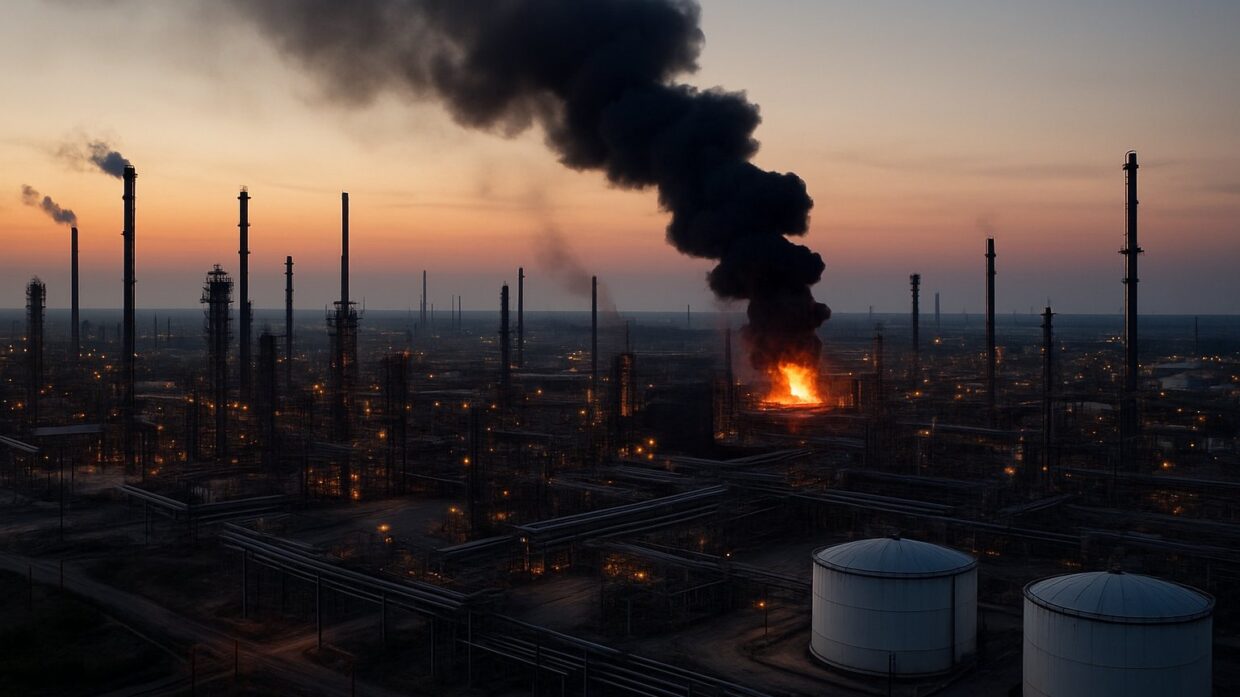
The Trump administration attempted to engineer an energy ceasefire between Russia and Ukraine by unilaterally declaring restrictions on Ukrainian strikes against Russian oil refineries. Within hours, both parties violated or rejected the framework. Moscow sent drone swarms against Ukrainian infrastructure. Zelenskyy ordered Ukrainian forces to resume attacks on Russian oil facilities, specifically Rosneft's Ryazan refinery in the region southeast of Moscow. The speed of collapse suggests the ceasefire was negotiated without either party's full consent.
The left frame emphasizes Trump's failed diplomacy and frames Ukrainian resistance as justified pushback against a dangerous abandonment of Kyiv. The Guardian reports that the White House's "unilateral effort" collapsed, a word choice that emphasizes Trump acted without consultation. NBC News quotes Zelenskyy accusing the US of betraying Ukraine with a "dangerous" withdrawal of support. The Atlantic describes Trump as "intervening to protect Russia's oil refineries," a framing that assigns protective intent toward Moscow. What this coverage underplays is that Ukrainian strikes on Russian energy infrastructure, while strategically sound, also constitute escalation. By focusing on Trump's failed diplomacy, the left frame emphasizes US culpability for the breakdown rather than examining whether the ceasefire proposal had structural flaws or whether either combatant was genuinely willing to accept it.
The right frame centers on Zelenskyy's defiance and frames his decision as a unilateral rejection of Trump's authority. The Washington Examiner describes the attacks as occurring "after a brief pause brought about by an energy ceasefire unilaterally declared by President Donald Trump," placing emphasis on Trump's initiating role and Zelenskyy's subsequent refusal to comply. This framing avoids the question of why Trump believed he could impose such restrictions or why Zelenskyy felt justified in ignoring them. It also does not foreground whether Russia's simultaneous drone attacks on Ukrainian infrastructure constitute a violation of the same ceasefire.
What neither side fully addresses is the underlying tension in US strategy toward this conflict. Trump has signaled willingness to restrict Ukraine's military options as a precondition for negotiations, while Zelenskyy has argued that Ukraine cannot negotiate from a position of constrained capability. The ceasefire's failure reveals that gap. The public record does not establish what Trump expected Zelenskyy to accept in exchange for the energy pause, nor does it confirm whether the administration consulted with Ukraine before announcing the ceasefire. Bloomberg reports that Trump has restricted US intelligence assistance to Ukraine, a policy detail that contexualizes Zelenskyy's anger but remains underreported in the left-leaning coverage.
The refinery strikes themselves warrant scrutiny. Ukrainian drone attacks on Russian energy infrastructure have degraded Russia's refining capacity and raised fuel prices, which has genuine military and economic effects. However, the strikes also constitute escalation in a conflict where neither side has shown willingness to accept constraint. The available reporting does not establish whether the refinery targets were chosen to maximize military advantage or deliberately selected to undermine any ceasefire framework.
The real question is whether Trump's approach,using intelligence restrictions as leverage for negotiated pauses,can function when one party perceives the other as existentially threatening. The ceasefire's collapse suggests it cannot, at least not through unilateral declaration.
Trump's failed energy ceasefire exposes a fundamental contradiction in US strategy that will determine whether future negotiation attempts succeed. By restricting Ukrainian strikes as a precondition for talks while simultaneously cutting intelligence sharing, the administration signaled it could dictate Ukrainian military choices without Ukrainian consent. Zelenskyy's immediate rejection and resumption of refinery attacks revealed what neither media frame adequately addressed: Ukraine will not accept constraints on its defensive capability as the price of negotiation. This collapse establishes that any Trump-brokered settlement must grant Ukraine meaningful input into ceasefire terms or face identical rejection. The pattern now embedded in diplomatic precedent means subsequent negotiations will require genuine consultation, not unilateral declarations, making future pauses structurally fragile without prior agreement from Kyiv.