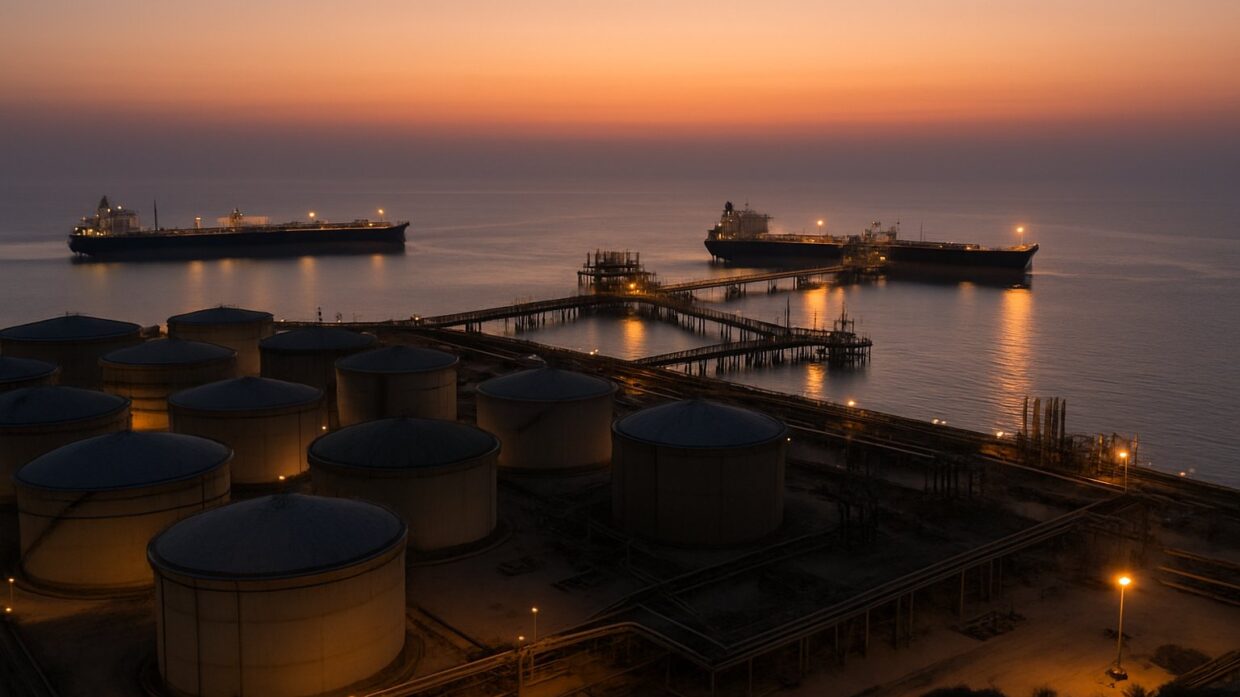
Photo: Well This Is News
Trump escalates toward war with Iran, threatens oil island seizure amid fragile peace
Trump warns Iran of decisive action as regime violates ceasefire terms repeatedly
Trump threatens military strikes on Iran and seizure of Kharg Island as ceasefire collapses
Key Takeaways
- The reporting does not establish which side initiated the June 10 Iranian strikes that triggered the second cycle of escalation, leaving the question of who broke the ceasefire first unresolved.
- The US has previously threatened to seize foreign oil infrastructure, and markets are already treating Trump's Kharg Island threat as credible enough to influence European Central Bank decisions, suggesting this is not empty rhetoric.
- Neither side has disclosed whether the threat to seize Kharg Island is operational military planning or a negotiating tactic designed to force Iran back to the bargaining table, which is the critical distinction between tactical pressure and genuine escalation.
The Analysis
Trump's public statement that he will strike Iran 'very hard, tonight' and seize Kharg Island represents the most direct territorial threat the US has made since the ceasefire negotiations began, and it comes with a specific mechanism attached: control of Iran's primary oil export facility. The reporting does not disclose the military timeline for these threatened actions or whether the seizure threat is operational planning or a rhetorical pressure tactic.
What happened: US forces conducted strikes against Iranian positions after Iran launched missiles at targets in Bahrain, Kuwait, and Jordan on June 10. The Iranian strikes came after the US had initiated strikes the previous day. Both sides characterized the other as violating the ceasefire first. Trump's statement on June 11 followed this second cycle of escalation and included explicit language about seizing Kharg Island, described in the reporting as Iran's largest oil export terminal. The public record does not establish which side initiated the June 10 Iranian strikes or what specific US actions prompted them.
The left framing emphasizes the language 'very hard, tonight' and focuses on Trump's threat to seize oil infrastructure as evidence of a deliberate escalation away from negotiation. The Guardian's coverage repeatedly uses the phrase 'fragile truce' and describes Trump's statements as showing 'a shift' in strategy. This framing leaves out Iran's specific actions targeting regional US allies and does not detail what the ceasefire agreement actually prohibits or what Iran violated. It emphasizes the historical context that the US has previously imposed oil sanctions on Iran, making seizure a credible threat.
The right framing would emphasize that Iran attacked US allies first and that Trump's threat is a proportional response to ceasefire violations. This interpretation treats the threat as deterrence against further Iranian aggression. What this framing leaves out is whether the threat to seize Kharg Island exceeds the scope of what the ceasefire permitted either side to do, and whether the ceasefire agreement explicitly prohibited territorial control of Iranian oil facilities.
What neither side foregrounds is the precedent: the US has threatened to seize foreign oil infrastructure before. In 2019, Trump suggested the US might take Iraqi oil fields. The economic consequence of US control over Kharg Island would be enormous, potentially tightening global oil markets. The reporting also does not establish whether the threat is meant as a negotiating point or as a literal military objective. The European Central Bank's decision to raise interest rates on June 11, cited by The Guardian as partly driven by 'Iran war' inflation concerns, suggests markets are interpreting the threat as credible escalation.
The underlying question is whether this statement signals that negotiations have reached a breaking point or whether it is a tactical pressure move designed to force Iran back to the negotiating table. The reporting does not disclose what conditions the administration believes would prompt actual military action to seize the island, or whether that seizure could occur without a broader regional conflict. One plausible interpretation is that the public threat raises the cost of Iranian violations by making the consequences explicit and specific rather than abstract.
Seizing Kharg Island would convert a rhetorical threat into functional control of global oil supply, immediately reshaping energy markets and forcing European economies dependent on alternatives to Iranian crude into rationing or crisis pricing. Trump's specificity about this facility rather than military targets suggests the administration views oil infrastructure seizure as a negotiable outcome, transforming what appeared as a regional military standoff into a competition for control of Middle Eastern energy production. The ECB's rate increase already signals that markets treat this threat as credible escalation capable of disrupting global commerce. If this threat moves from rhetoric to operational planning, the international legal framework governing territorial seizure, sanctions enforcement, and military occupation would face its most direct challenge since the 2003 invasion of Iraq, potentially fracturing NATO alliances dependent on maintaining the post-Cold War principle that territorial conquest is illegitimate, regardless of strategic justification.