Photo: Well This Is News
Trump Acknowledges Ukraine's Military Success Against Russian Energy Infrastructure
Trump: Russia Lost Control of Diesel Industry Due to Ukraine War, Calls for End to Conflict
Trump Cites Ukrainian Strikes on Russian Diesel Infrastructure as War Pushes Prices Higher
Key Takeaways
- Ukrainian strikes on Russian refineries are documented and real, but the war's specific contribution to U.S. diesel prices cannot be isolated from other factors like OPEC production decisions, global refining capacity, sanctions regimes, and demand fluctuations.
- Russian diesel that was already sanctioned from U.S. trade may not reach American markets even if production capacity is intact, meaning refinery strikes do not automatically translate into U.S. price increases.
- Trump's statement conflates two different economic arguments: that the war damages Russia's economy versus that the war damages America's economy, and neither source clarifies which rationale actually drives his position on ending the conflict.
The Analysis
Trump's statement that Russia has "lost control" of its diesel industry sits at the intersection of three separate factual claims: that Ukrainian strikes have damaged Russian refineries, that diesel prices have risen, and that the war is responsible for both. The first claim is verifiable through documented reporting of Ukrainian military operations against Russian energy targets. The second is confirmed by commodity price data. The third is where the framing diverges, and where both left and right readings leave out crucial economic history.
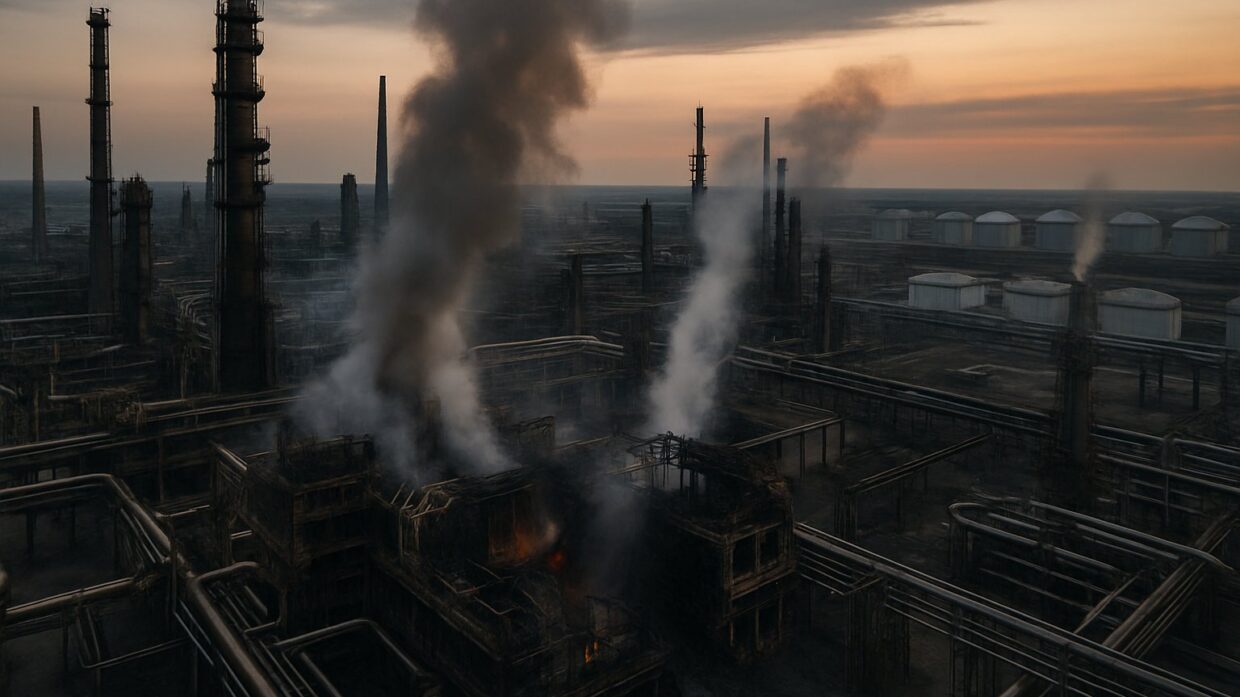
What actually happened: Ukrainian military strikes, including drone and missile attacks, have targeted Russian petroleum refineries and diesel production facilities. The Washington Examiner reports Trump acknowledged that "a large number of their Diesel refineries have been blown up." This is consistent with documented Ukrainian operations against Russian energy infrastructure throughout 2024. Simultaneously, U.S. diesel prices have remained elevated by historical standards. MarketWatch reports that "record diesel prices are exposing pain points in the stock market and economy," creating upward pressure on inflation and transportation costs.
Why the left frames it this way: The Hill's coverage emphasizes Trump's acknowledgment of Ukrainian military success, positioning the statement as rare validation of Ukraine's battlefield effectiveness. This framing elevates the credibility of Ukrainian resistance by having a Trump endorsement, which typically favors Russian positions. The coverage does not explore whether acknowledging Ukrainian strikes contradicts any prior Trump positioning on the conflict. It leaves out the question of whether Trump is shifting his rhetoric on the war itself.
Why the right frames it this way: The Washington Examiner emphasizes Trump's complaint about diesel prices and his implicit call for the war to end, framing the statement as evidence that the conflict is economically damaging to Americans. The coverage treats the war as a root cause of inflation pressure. What it does not foreground is that global diesel prices are influenced by multiple factors: OPEC production decisions, refining capacity worldwide, demand fluctuations, and sanctions regimes. Ukrainian strikes on Russian refineries affect Russian production capacity, but Russian diesel can be exported or refined elsewhere, and global markets adjust. The framing attributes price pressure primarily to the war without isolating the war's specific contribution to U.S. diesel prices.
What neither side fully captures: The relationship between sanctions, Ukrainian strikes, and diesel supply is more complex than either framing suggests. The U.S. and allies have maintained sanctions on Russian energy exports since 2022. Ukrainian strikes on refineries reduce Russian production capacity but do not necessarily reduce Russian diesel available to global markets if that diesel was already sanctioned from U.S. trade. What matters for U.S. diesel prices is global refining capacity and non-Russian supply availability. Neither source establishes what percentage of U.S. diesel price elevation stems from Russian production losses versus other factors like refinery maintenance, demand, or inventory levels.
The underlying question is whether Trump's statement reflects a shift in his position on the war's justification or simply an acknowledgment of economic fact. If the war is unsustainable because it is economically damaging to Russia, that is a different argument from saying the war is unsustainable because it is economically damaging to Americans. Trump's phrasing suggests both, but neither source clarifies which argument Trump is making or how it reconciles with his prior Russia positioning.
Ukrainian strikes on Russian refineries will reshape U.S. energy policy debates for the next administration. If Trump returns to office committed to ending the war, he inherits a conflict where Ukraine has systematically degraded Russia's refining capacity, making any negotiated settlement depend on whether Moscow accepts permanent loss of production infrastructure. This constrains Trump's negotiating leverage: Russia cannot easily restore destroyed refineries, so concessions on territory or weapons become the only available bargaining chips. Simultaneously, if diesel prices remain elevated due to reduced global refining capacity rather than sanctions alone, Trump faces pressure to either lift sanctions to increase supply or acknowledge that ending the war will not immediately lower fuel costs for Americans. The framing of Ukrainian strikes as economically damaging to Russia versus Americans will determine whether Trump pursues sanctions relief as a path to negotiation or maintains current restrictions while claiming victory for Ukrainian military effectiveness.