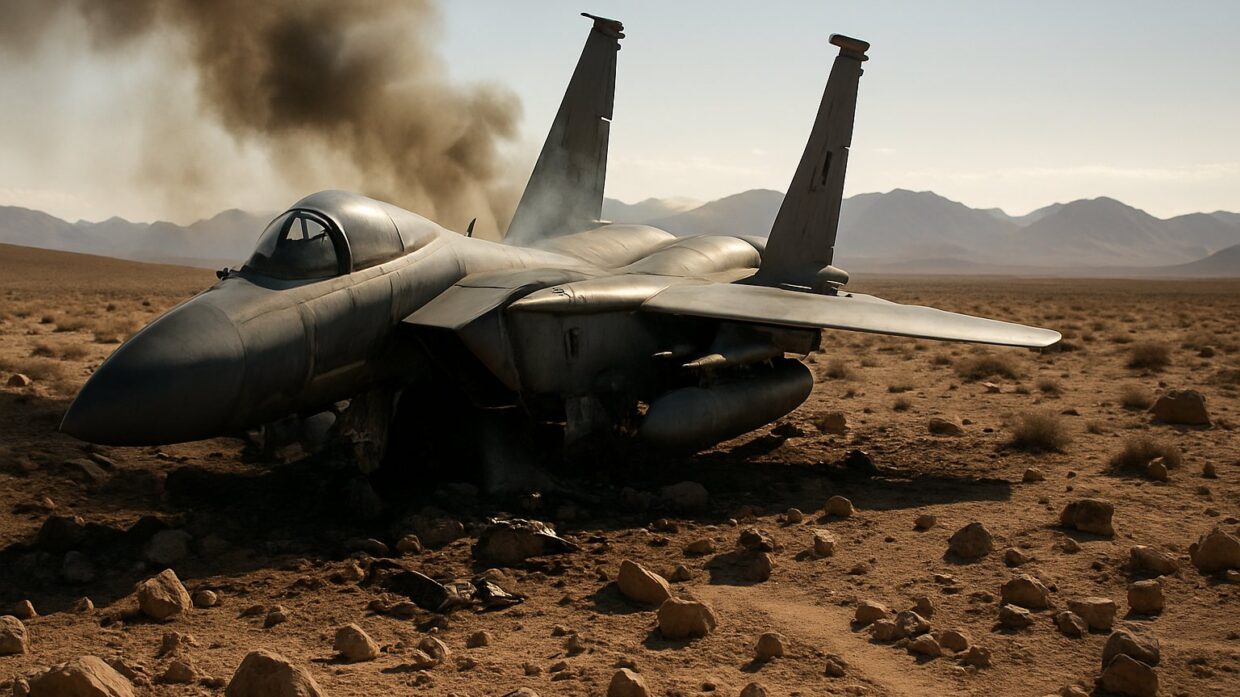
Photo: Well This Is News
Fighter pilot's harrowing account of being shot down over Iran highlights military risks in Middle East tensions
American airman describes miraculous escape after F-15 shot down over Iran: 'God is good'
U.S. Air Force pilot shot down over Iran in April recounts rescue in first public interview
Key Takeaways
- The pilot's account does not disclose the mission's authorization, objectives, or whether the aircraft was tasked to support Israeli operations or conduct independent U.S. missions in Iranian airspace.
- Iran has now demonstrated it possesses operational air defense capabilities lethal enough to shoot down a U.S. fighter jet, a strategic fact absent from both left and right media framings of the incident.
- The broader operational context remains unknown: whether this was an isolated incident or one of multiple U.S. aircraft losses during April 2024, and what Rules of Engagement governed American pilots operating in this environment.
The Analysis
A U.S. Air Force pilot's first public account of being shot down over Iran in April 2024 raises a question both sides are framing carefully: whether this incident represents routine military operation or an escalation that nearly cost an American life in active Iranian airspace. The officer, identified as a colonel and call-sign Bravo for operational security, told CBS 60 Minutes he ejected from his F-15E fighter jet after it was struck, free-fell to the ground over Iranian territory, and was rescued by U.S. military personnel. What remains undisclosed in the public reporting is the specific mission parameters, the exact location of the incident, and the operational context that put the aircraft in Iranian airspace.
The left-leaning coverage emphasizes the "harrowing ordeal" and the "human cost" of military operations in a volatile region. NBC News and similar outlets frame this through the lens of escalating Middle East tensions and the dangers American pilots face during U.S.-Israeli military conflict with Iran. The language choices matter: "escalating" suggests a pattern of intensification, and "highlights military risks" positions the story as evidence supporting arguments for diplomatic restraint. What this framing leaves out is whether the mission was authorized under existing Rules of Engagement, what the aircraft was tasked to accomplish, or whether Iran's air defense response constituted an escalation or a predictable response to the presence of American warplanes. The reporting does not establish whether this incident was exceptional or routine within the operational environment.
The right-leaning coverage emphasizes the "miraculous escape" and attributes the pilot's survival to military professionalism and divine providence. The Washington Examiner's framing, which quotes the officer saying "God is good," positions the story as a testament to American military capability and the courage of personnel operating under threat. The language emphasizes rescue and bravery rather than risk and escalation. This frame underplays the fact that the aircraft was shot down at all, reframing it as a test of American resilience rather than a military loss. The reporting does not engage with questions about mission justification or the broader strategic context of U.S. air operations in Iranian airspace.
What neither side foregrounds is the operational history that preceded this incident. In April 2024, the U.S.-Israeli conflict with Iran had already included direct Iranian ballistic missile and drone strikes on Israeli territory on April 14, following Israeli airstrikes on Iranian air defense systems. The question of whether U.S. aircraft were tasked to support Israeli operations, establish air superiority, or conduct independent missions remains absent from public reporting. The Rules of Engagement governing American pilots in this environment and the authorization chain that approved flights in this airspace are not addressed. Also undisclosed is whether this was the only U.S. aircraft shot down during this period or whether other incidents occurred outside public view.
The pilot's personal account of survival is genuine and significant for military and humanitarian reasons. What both framings avoid is the policy question it raises: the extent of U.S. military exposure in a region where adversary air defenses are now proven operational and lethal. The incident suggests Iran possesses the capability and willingness to engage American aircraft directly, a fact neither cable news framing adequately centers.
Iran demonstrated operational air defense capability against American military aircraft, and the U.S. military's successful rescue operation masks a fundamental strategic exposure now confirmed in combat. The April 2024 shoot-down proves Iranian air defenses can threaten American pilots conducting operations in the region, reshaping threat assessments for future operations and forcing military planners to either accept higher casualty risks, demand better aircraft protection systems, or recalibrate mission parameters in Iranian airspace. This incident will likely drive Pentagon resource allocation toward advanced electronic warfare systems and air superiority measures specifically designed to counter Iranian radar and missile systems, fundamentally altering the operational calculus for any future American air campaign in the Middle East.