Photo: Well This Is News
Trump uses college sports to boost midterm campaign as GOP faces electoral headwinds
Trump rallies Republicans in Alabama ahead of midterms, plans to attend Georgia game
Trump attends Alabama rally, announces plan to watch Georgia football game
Key Takeaways
- Trump's campaign strategy combines explicitly political rallies with attendance at major sporting events that receive national television coverage, creating separate media channels for political messaging and broader audience exposure.
- Alabama is a reliably Republican state, raising questions about whether campaign resources are being allocated to enthusiasm-building in safe territory rather than persuasion in genuinely competitive races.
- Neither campaign rallies nor football game attendance clarifies whether Trump's presence actually moves independent or persuadable voters, or whether these events primarily consolidate existing Republican support and generate content for supporter media.
The Analysis
Trump's Alabama rally and announced football game attendance combine campaign activity with high-profile entertainment, a sequence that reveals something important about how midterm strategies operate in the final weeks before an election.
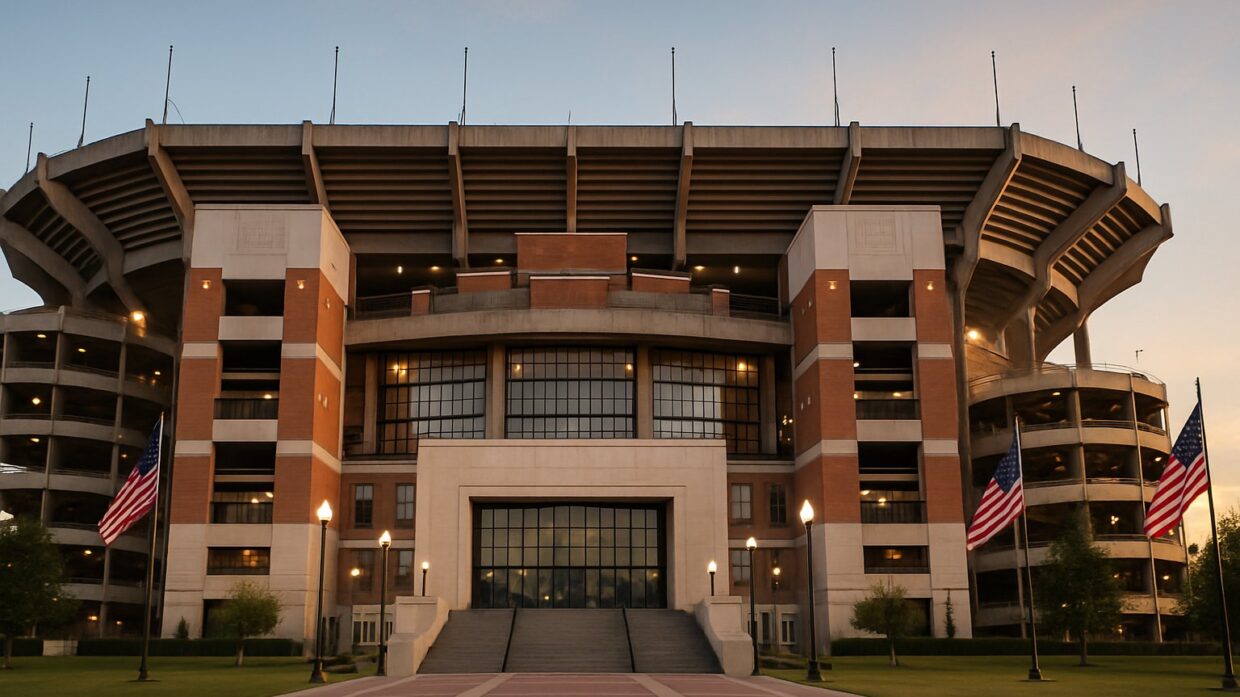
The documented facts are straightforward. Trump held a rally in Mobile, Alabama on Friday where he appeared alongside Sen. Tommy Tuberville, a Republican running for governor, and other GOP state candidates. During that event, Trump announced he would return to Alabama within the week to attend the University of Georgia versus University of Alabama football game at Bryant-Denny Stadium in Tuscaloosa. The rally was explicitly framed by Trump's campaign as part of a broader tour across multiple states to energize Republican voters ahead of the November midterm elections.
The left-leaning framing, present in PBS NewsHour's reporting, emphasizes that Trump is conducting this campaign tour against a backdrop of GOP anxiety. The PBS summary notes Republicans have expressed "growing pessimism about their chances" and references Trump's handling of economic issues and foreign policy. The framing suggests Trump is trying to counter negative momentum with high-visibility campaign events. This emphasis leaves out whether Trump's presence actually moves independent voters or merely consolidates existing Republican enthusiasm, a distinction that matters for evaluating campaign effectiveness.
The right-leaning framing, from Washington Examiner reports, describes the rally as Trump "boosting Republican candidates" and notes it features "high-profile sporting event" attendance to his schedule. The language emphasizes Trump's activity and his connection to GOP candidates without contextualizing the electoral environment that prompted the campaign tour. This framing leaves out any discussion of whether such rallies address the specific voter concerns that appear to be driving GOP pessimism in polling.
What neither framing fully establishes is the relationship between campaign rallies and measurable voter movement. Campaign rallies serve multiple functions: they generate media coverage, they activate volunteer networks, and they signal party commitment to local candidates. But the available reporting does not clarify whether Trump's presence in Alabama affects persuadable voters, consolidates Trump-aligned Republicans, or primarily generates content for supporter media consumption. The football game announcement adds a celebrity dimension that broadens potential viewership beyond the political rally audience itself.
The sequence also leaves unexamined the implied strategy of combining political rallies with entertainment attendance in heavily Republican territory. Alabama is reliably Republican in statewide elections. The strategic calculation behind spending campaign time in such a state, rather than in genuinely competitive districts, appears connected to enthusiasm-building rather than persuasion in swing areas. Neither the conservative nor progressive framing directly addresses this resource allocation choice or what it suggests about where campaigns believe competitive races actually exist.
What the reporting does establish is that Trump's campaign schedule includes both explicitly political events and quasi-public appearances at major sporting events that draw broader audiences. The football game attendance will be televised nationally and will receive media coverage distinct from the rally's political messaging. Both the left and right appear to understand this as a strategic multiplier effect, but neither fully examines what it reveals about campaign priorities or the state of GOP midterm confidence.
Trump's strategy of pairing Alabama rallies with nationally televised football game attendance reveals a fundamental shift in how campaigns deploy candidate time in heavily partisan states. By anchoring campaign activity in safely Republican territory rather than genuinely competitive districts, Trump's schedule indicates GOP strategists believe they lack sufficient resources or candidate capacity to contest multiple swing races simultaneously. This concentration of effort in consolidated Republican strongholds, wrapped in entertainment spectacle, suggests internal campaign data shows tighter-than-expected margins in purple states where candidate presence might actually move persuadable voters. The football game announcement particularly signals campaigns now operate across parallel attention economies, competing for viewership through sporting events rather than relying solely on political messaging to reach undecided voters. This structural choice in resource allocation will shape which House and Senate races receive candidate surrogate support in final campaign weeks, potentially abandoning marginal Republican candidates in competitive districts.