Photo: Well This Is News
Republicans Abandon North Carolina Race, Conceding Whatley Cannot Win
GOP Money Group Ditches North Carolina In Bid To Save Deep-Red State
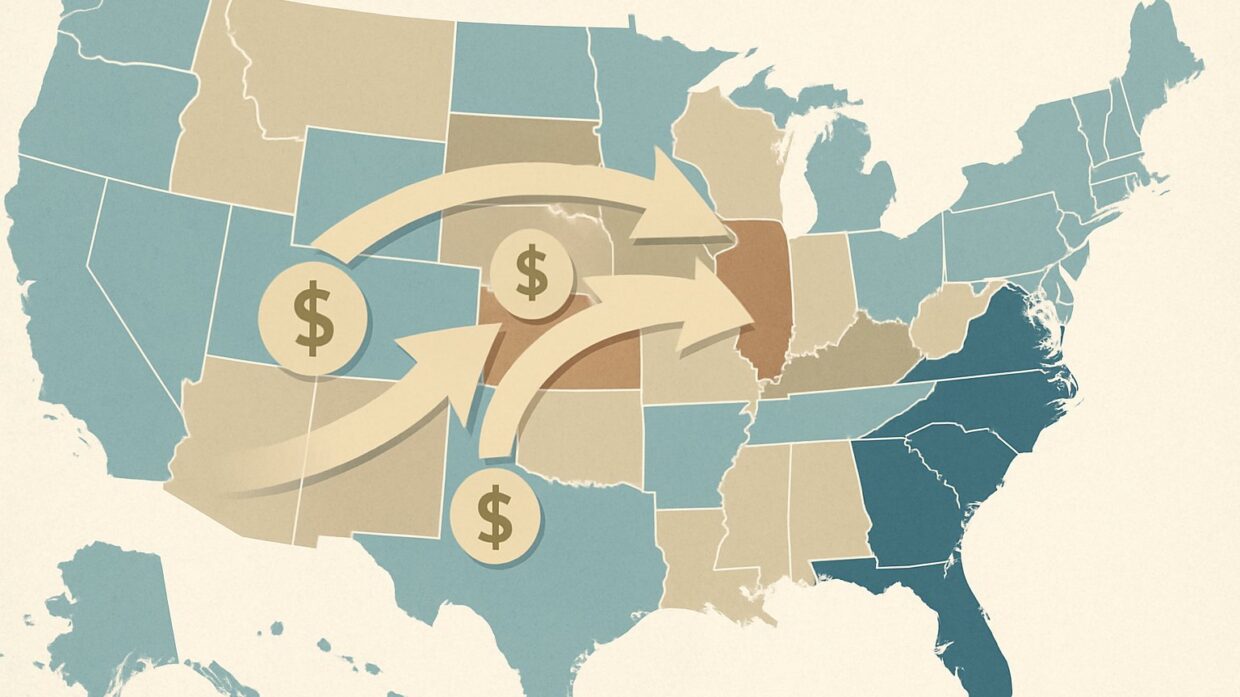
GOP Super PAC Halts North Carolina Spending, Shifts Resources to Kansas
Key Takeaways
- The Senate Leadership Fund paused future ad spending in North Carolina and redirected those resources to Kansas one month before the election, a specific tactical decision by one super PAC tied to Senate Majority Leader John Thune.
- Republican strategists have reassigned limited resources away from a seat Trump won by 3.3 points in 2020 toward an unexpectedly vulnerable deep-red state, but the underlying reasons for this reassessment remain publicly unexplained.
- Neither Trump's statement that he was 'worried' about Whatley's prospects nor the SLF's reallocation decision establishes whether the shift reflects deteriorating polling, demographic movement, changed turnout models, or a broader national environment problem.
The Analysis
The Senate Leadership Fund's decision to pause future spending in North Carolina and redirect resources to Kansas reveals a specific tactical calculation by Republican strategists: one month before the election, they have reassigned limited resources away from a seat Trump won three times, toward a state that has become unexpectedly vulnerable. This is not ambiguous. The public record shows named organizations making named decisions based on named assessments of electoral viability.
What actually happened is straightforward. On Friday, the SLF, the super PAC directly tied to Senate Majority Leader John Thune, halted future ad reservations in North Carolina and shifted that allocation to Kansas. The timing matters: October 2026, one month from Election Day. The candidate in question is Michael Whatley, the Republican nominee for North Carolina's Senate seat. The opponent is Roy Cooper, the sitting Democratic governor. Trump, when asked directly, told reporters he was "worried" about Whatley's prospects. These are the documented facts.
The left framing, represented primarily by Axios and Democratic-aligned coverage, emphasizes capitulation. The language used is "retreating," "giving up," and "conceding." Axios quotes anonymous GOP insiders acknowledging Whatley "can't win" and that "the seat will flip to Democrats." The narrative frame is one of Republican collapse: major party organizations are pulling out because they have already written off the race. This framing leaves out the full context of what the SLF's move actually signals. The super PAC did not cease all activity in North Carolina. It paused future spending reservations. This is consistent with a reallocation decision, not a full retreat. The framing emphasizes Democratic pickup potential but does not explain why, if North Carolina was genuinely competitive weeks earlier, conditions shifted this dramatically, this quickly.
The right framing, represented by The Daily Wire, recasts the move as strategic adaptation. The headline describes it as an effort to "save" deep-red Kansas, implying Kansas was the actual priority and North Carolina was always secondary. Thune's super PAC is described as doing what responsible stewards do: moving money to where it can be most effective. This framing avoids acknowledging that the move reflects downgraded confidence in Whatley. It sidesteps Trump's own statement that he is "worried" about the race. By emphasizing Kansas as the positive story, the right frame underplays what the data actually says about North Carolina.
What neither side fully addresses is the underlying electoral dynamic that produced this moment. North Carolina has been consistently Republican at the presidential level: Trump won it by 3.3 percentage points in 2020, larger margins in 2016 and 2012. Whatley is not unknown; he chaired the state GOP. The question the reporting does not adequately explore is what changed. One month before an election, significant reassessment of a candidate's viability does not occur in a vacuum. The available coverage does not establish whether Whatley's polling has shifted, whether internal data shows specific demographic movement, whether Democratic turnout models have changed, or whether the national environment for Republicans has deteriorated enough to drag down previously safe incumbents. The decision to reallocate resources is documented. The reasoning is not.
The real headline is narrower than either frame suggests: one Republican super PAC, assessing its options one month before the election, determined that its advertising dollars would be more productively deployed in Kansas than in North Carolina. This may indicate Republican confidence in Whatley has declined. It does not establish why, and it does not establish that Republicans have uniformly given up on the state. The SLF's move is a single data point about resource allocation, not a comprehensive assessment of the race's status.
Republican operatives are now rationing resources between states they expected to defend comfortably, a reallocation that reflects deteriorating confidence in Michael Whatley's North Carolina campaign one month from Election Day. The Senate Leadership Fund's shift from North Carolina to Kansas is not strategic expansion into new territory; it is acknowledgment that Whatley, the state GOP chair and Trump-endorsed nominee, cannot compete effectively enough to justify continued advertising investment in a seat Republicans won by 3.3 points just four years ago. When a super PAC directly aligned with Senate leadership pauses spending in a reliably Republican state to shore up Kansas, the underlying message concerns Republican viability in states they have dominated. This reshuffling forces a harder question about what structural damage to the Republican brand is now visible to the party's own strategists in internal data, even if those assessments remain publicly unreported.