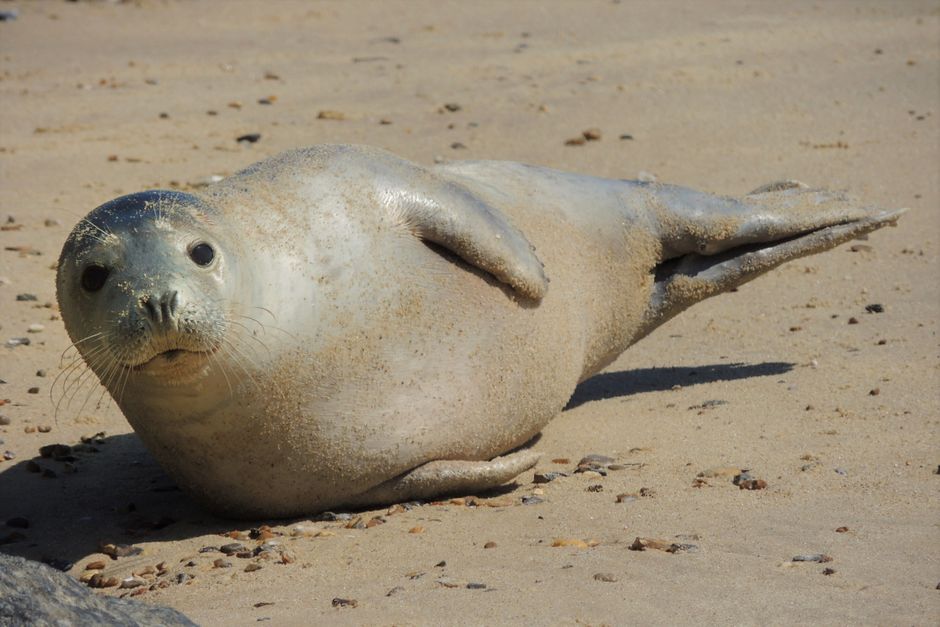
Photo: Patrick Nizan
Bird flu reaches Australian mammals as H5 strain spreads to fur seal, health officials warn of losses
First Australian mammal death from bird flu highlights gaps in disease monitoring and containment
Fur seal dies from H5 bird flu in Australia, first mainland mammal fatality from spreading strain
Key Takeaways
- One confirmed seal death establishes that H5 can infect Australian mainland mammals, but the reporting does not reveal whether other animals at or near the site are infected, whether circulation is spreading through the local seal population, or if this is an isolated event.
- The baseline context is missing: when H5 first arrived in Australia, how long it has circulated in birds, how many bird deaths have been documented, and whether a mammal death is an inevitable outcome of endemic avian infection rather than an unexpected escalation.
- The real epidemiological marker is the shift from avian-only to confirmed multispecies circulation on Australian mainland territory, but whether this portends population-level impacts depends on data about seal density, surveillance intensity, and spillover patterns in other regions that current reporting does not provide.
The Analysis
A fur seal found dead at Beachport in South Australia has tested positive for H5 bird flu, establishing a documented threshold that had not previously been crossed on the Australian mainland: mammalian death from the spreading strain. The seal's death is not speculative or model-based. It is confirmed. What remains undisclosed is the specific timeline between infection and death, how long the virus may have been circulating undetected in marine mammal populations, and whether other animals at the site tested positive.
The Guardian's reporting emphasizes the escalatory nature of the finding. South Australian Environment Minister Susan Close used the phrase "presages significant losses," a careful formulation that signals expectation without certainty. The word "presages" means to foreshadow or indicate in advance. Close did not claim losses are inevitable, only that this death indicates they are foreseeable. The left framing takes that warning and stresses the spillover risk: the virus's demonstrated ability to cross species barriers from birds into marine mammals. That framing is consistent with epidemiological precedent. H5N1 has jumped species before. The concern is evidence-based.
What the left coverage does not foreground is the ambiguity in what this death actually establishes. One seal death is confirmation of possibility, not confirmation of widespread circulation or imminent population collapse. The seal was found dead at a specific location. The reporting does not establish whether other seals at Beachport or nearby areas have been tested, whether the infection is spreading through the local population, or whether this represents a isolated spillover event. Those are open questions the available coverage does not answer.
The right framing pivots toward surveillance and preparedness gaps. A mammal death suggests the virus has been present in the environment longer than Australian authorities detected it. If the seal became infected weeks or months before its body was found, then the window of unmonitored viral circulation is wider than the detection timeline implies. The right interpretation asks whether Australia's coastal disease monitoring is adequately granular to catch these events before they become population events. That is a legitimate institutional question. It is also unanswered by the current reporting.
What neither side fully captures is the historical context of H5 in Australia and the baseline against which this death is actually significant. The available reporting does not establish when H5 bird flu first arrived in Australia, how long it has been circulating among bird populations, or how many bird deaths have been documented. It does not explain why a mammal death is being framed as a new threshold rather than a statistical inevitability once bird infection reaches endemic levels in a region. A more complete picture would include: the documented timeline of H5 spread in Australia, the typical progression of zoonotic spillover from avian to marine mammal hosts in other regions where H5 is established, the density of the seal population at Beachport, and the likelihood of additional detections if surveillance is increased.
The real significance of this death appears to be that it moves H5 from avian-only to confirmed multispecies circulation on Australian mainland territory. That is a meaningful epidemiological marker. Whether it signals imminent population-level impacts or remains a singular spillover event depends on data the current reporting does not disclose.
Australia's disease surveillance infrastructure now faces a specific institutional test: whether coastal monitoring can detect H5 circulation in marine mammal populations before spillover becomes endemic. The fur seal death confirms the virus has crossed into non-avian species on the mainland, meaning Australia's public health and wildlife agencies must expand monitoring beyond bird populations or risk months of undetected viral circulation in seals and other marine mammals. If additional seals at Beachport or nearby colonies test positive, Australia will need to establish baseline infection rates in marine mammal populations, which currently has no documented protocol. This dead seal is not merely a concerning headline but a gap marker in Australia's zoonotic disease detection system, one that demands either expansion of coastal surveillance capacity or acknowledgment that H5 infections in marine mammals will remain largely invisible until animals wash ashore dead.