Photo: Well This Is News
Reporter Challenges NATO Chief On Self-Respect Amid Trump's Alliance Pressure
Trump's Hardball Tactics Deliver NATO Commitments in Ankara
Trump Presses NATO On Defense Spending at Ankara Summit as Alliance Navigates Demands
Key Takeaways
- The reporting on the Ankara summit does not establish whether NATO's new defense spending commitments represent an acceleration of the gradual increases that began after Russia's 2014 invasion of Ukraine or an entirely new trend driven by Trump's pressure.
- Neither side has disclosed which specific NATO members increased commitments, the actual dollar or percentage amounts involved, or whether these pledges are binding obligations or aspirational statements without enforcement mechanisms.
- The coverage assumes Trump's pressure approach is either unprecedented or unprecedented in style, but the available record does not clarify whether allied leaders view his tactics as genuinely novel or as a more aggressive version of familiar U.S. leverage that has shaped NATO dynamics for decades.
The Analysis
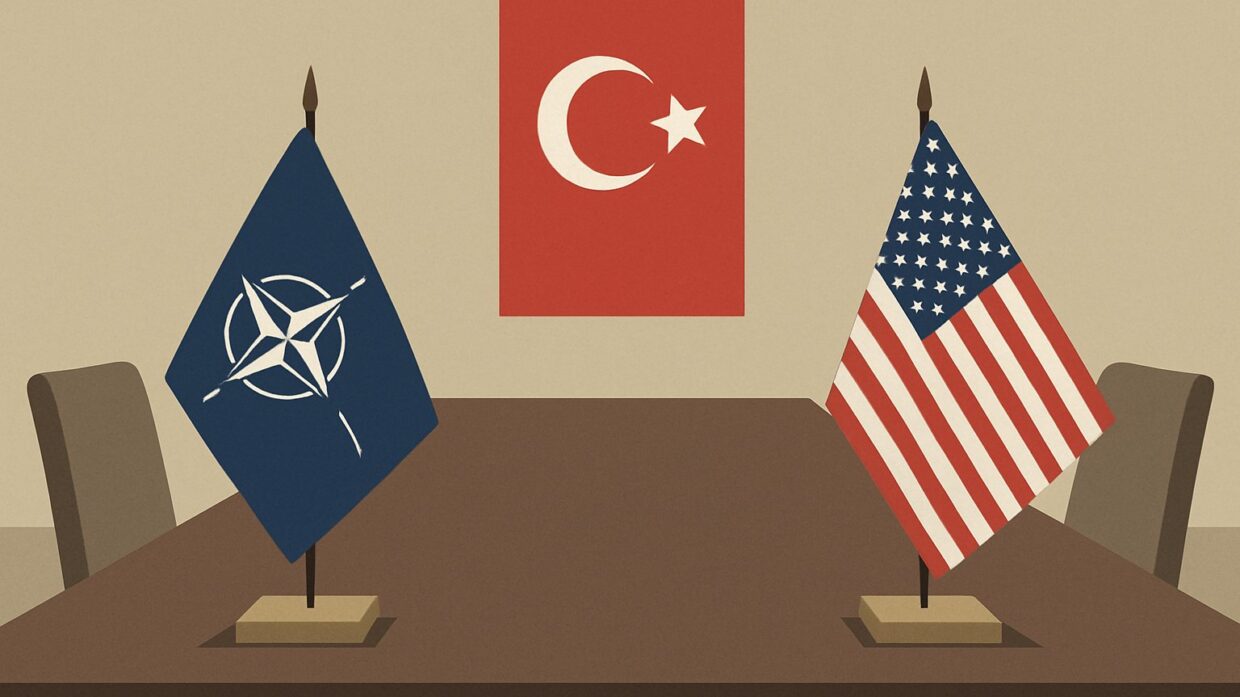
Trump's June NATO summit in Ankara produced both announced defense spending commitments from allied nations and a public confrontation over alliance credibility, revealing a fundamental disagreement about how transactional leverage should work in multilateral partnerships. The Danish reporter's question to NATO Secretary General Mark Rutte asking whether he could maintain his self-respect while accommodating Trump's demands framed the tension directly: whether NATO's institutional autonomy depends on pushback against U.S. pressure, or whether increased defense spending justifies the rhetorical cost.
The documented facts are these. Trump arrived at the Ankara summit having previously criticized NATO members for insufficient defense contributions and ambiguous loyalty during the Israel-Gaza conflict. National Review reported that the summit produced stated increases in defense spending commitments from allied nations, characterizing this as a concrete result of Trump's negotiating approach. The Daily Wire explicitly credited Trump's hardball tactics with these commitments, framing the outcome as beneficial to NATO's deterrent posture against Russia. A Danish reporter asked Rutte directly whether maintaining dignity required standing up to Trump's pressure, a question that neither side of this debate has directly answered in on-the-record terms.
The left frame emphasizes the rhetorical cost of Trump's approach. By asking about Rutte's self-respect, the reporter implied that NATO's institutional standing depends on maintaining boundaries with Washington, that alliance cohesion requires mutuality rather than hierarchy. HuffPost's framing of this question as newsworthy reflects a view that Trump's pressure threatens something intangible but essential: the respect that keeps allies committed. The left coverage leaves out whether increased defense spending might actually strengthen that institutional legitimacy more than rhetorical independence does, or whether the reporter's framing assumes that NATO members had no room to increase spending without pressure.
The right frame emphasizes results. The Daily Wire and National Review focused on what Trump's approach delivered: stated defense spending increases and renewed member commitments. This framing treats the transactional nature of Trump's pressure as unproblematic, even preferable to what it characterizes as the previous administration's less demanding diplomacy. National Review's assessment that NATO still has work to do suggests that pressure, not pressure-free partnerships, produces concrete security outcomes. The right coverage leaves out whether those commitments represent new spending or simply articulations of existing plans, and whether the rhetorical friction created by Trump's approach might reduce allies' willingness to cooperate on issues beyond direct defense spending.
What neither side fully addresses is the historical pattern this summit fits into. NATO repeatedly raised defense spending targets after the 2014 Russia-Ukraine invasion, producing gradual increases well before Trump took office. The publicly available record does not establish whether the Ankara commitments represent acceleration of that existing trend or a new inflection point. Additionally, the coverage does not foreground which specific countries increased commitments, what the stated amounts actually represent in dollars or percentage increases, or whether these commitments are binding or aspirational. The Danish reporter's question assumes Trump's pressure is unusual; the available reporting does not establish whether allied leaders view it as unprecedented or merely as a more aggressive version of familiar U.S. leverage.
The real headline is that Trump used diplomatic pressure to extract stated defense spending increases while fracturing the rhetorical unity that had previously characterized public NATO messaging. Whether that trade-off serves the alliance's long-term deterrent capacity remains unresolved.
Trump's Ankara summit produced a shift in how NATO members publicly commit to defense spending, replacing the consensus language of shared security with explicit acknowledgment that U.S. pressure drives increases. This matters because it establishes a precedent for transactional alliance management where security commitments become legible as coerced rather than collective. If allied governments must repeatedly demonstrate spending increases to satisfy Washington rather than meeting agreed targets independently, NATO transitions from a mutual defense arrangement into a hierarchical system dependent on continued American demand. The institutional consequence is measurable: future negotiations over burden-sharing now occur under explicit threat rather than through consensus processes, reducing the diplomatic flexibility available to alliance leaders and potentially limiting cooperation on non-military issues where consensus governance previously applied. Countries that resent the publicly coercive dynamic may comply with spending targets while withdrawing from coordination on intelligence sharing, sanctions enforcement, or extended deterrence operations where voluntary participation matters more than contractual obligation.