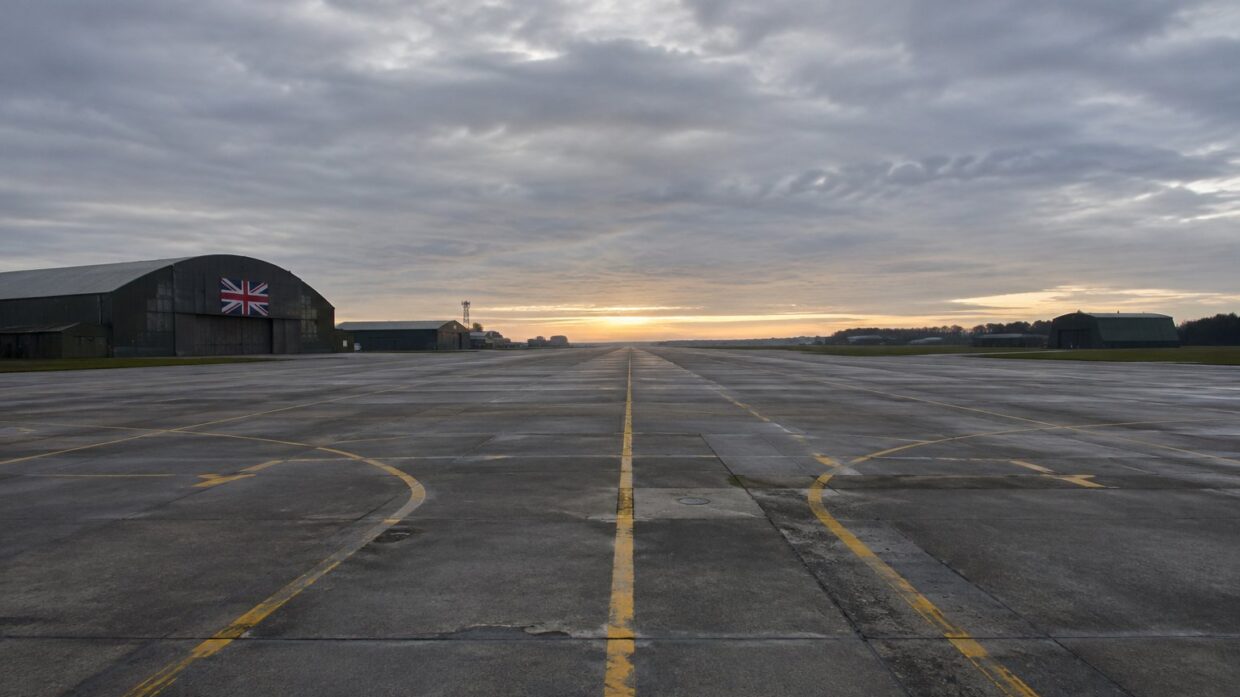
Photo: Well This Is News
US Moves Military Aircraft From UK Base as Iran Tensions Escalate
US Military Aircraft Depart Second UK Base After Iran Threat
US Relocates Aircraft From Second British Airbase Citing Iran Threat
Key Takeaways
- The US military has evacuated aircraft from two British airbases within a month, but officials have disclosed neither the specific nature of the Iranian threat nor whether Iran publicly announced it or US intelligence independently identified it.
- The two evacuations could represent a new Iranian operational capability, an escalation in Iranian planning, or a change in US risk tolerance for European airbases, but the available reporting does not clarify which.
- No public reporting discloses whether the US filed diplomatic protests with Iran, briefed UK officials on threat assessments, or is planning to permanently reposition aircraft away from British bases in response.
The Analysis
The US military has withdrawn aircraft from a second Royal Air Force base in the United Kingdom within a month, according to reporting from NBC News, Bloomberg, and Breitbart, citing what officials characterize as threats from Iran. The most recent evacuation involved at least 10 Air Force refueling tankers from one of two bases targeted in this sequence. What the reporting does not establish is the specific nature, timing, or credibility assessment of the threat itself, or whether Iran publicly announced it or whether US intelligence identified it independently.
NBC News frames the relocation as a straightforward response to "threats from Iran" without elaborating on the intelligence behind that characterization. The framing emphasizes vulnerability and the reactive posture of the US military in allied territory. Bloomberg mentions that this follows bombers leaving a different English airbase "in the wake of an alleged terror plot," language that softens the certainty around what actually occurred. Breitbart places the word Iran threat in quotation marks and uses the phrase "undisclosed threat," a rhetorical choice that introduces skepticism about whether the threat exists or is being accurately described. That choice serves to highlight the absence of public evidence, though it stops short of claiming the threat is fabricated.
What neither framing addresses is the operational context that would explain why US aircraft are vulnerable to Iranian threats in British airspace at all. The US maintains formal base rights under the USAF's presence at multiple RAF installations dating to the Cold War. The fact that aircraft required evacuation suggests either a specific Iranian operational capability that US and UK defenses could not confidently counter, or a threat assessment that prioritized precaution over continued operations. The reporting does not disclose which scenario US military command assessed.
The sequence of two evacuations in a month raises a separate question: whether this reflects a new Iranian capability, an escalation in Iranian threat planning, or a shift in US risk tolerance for airfield operations in Europe. The available reporting does not establish which. Bloomberg's mention of an alleged terror plot connected to the first evacuation introduces a different category of threat entirely, but provides no detail on whether the second evacuation is connected to the same plot or represents a separate threat.
What remains unstated across all three framings is the diplomatic response. No reporting indicates whether the US has filed a formal protest with Iran through existing channels, whether it has briefed UK officials on the threat assessment, or whether this relocation signals a broader repositioning of US aircraft away from British bases. The silence on these points may reflect operational security, incomplete public disclosure, or genuine uncertainty about next steps.
The underlying question is whether these evacuations represent a tactical adjustment to a known Iranian threat or a signal that US force positioning in Europe faces new vulnerabilities that require structural change. The evidence available does not distinguish between them.
These relocations signal a fracture in US confidence that allied European bases can host American aircraft during escalating Iran tensions. If the threat assessment proves accurate, the Pentagon faces a cascading problem: every US airbase in range of Iranian missiles or proxy networks becomes a potential evacuation site, forcing a costly recalculation of force positioning across NATO territory. If the threat proves overstated, the precedent of abandoning British installations for unverified Iranian claims establishes a pattern where threat speculation alone justifies operational retreat, degrading alliance infrastructure without requiring actual evidence. Either outcome weakens the infrastructure of American power projection in Europe.