Photo: Well This Is News
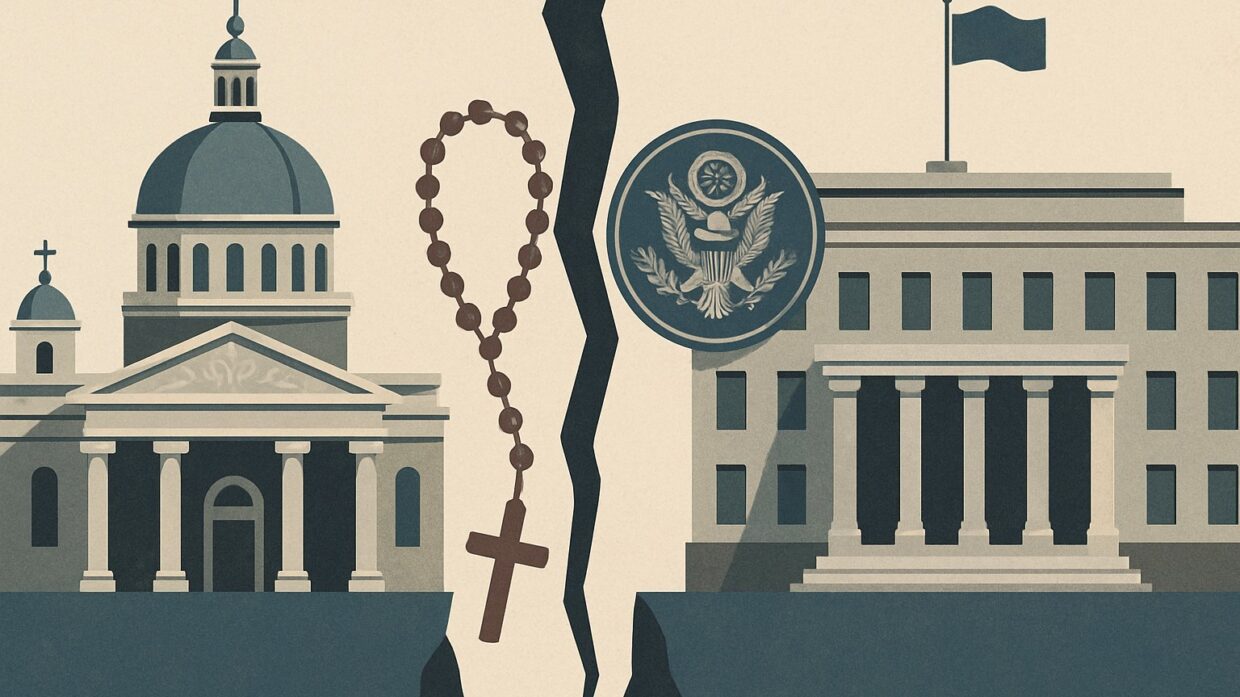
Trump Claims Biblical Superiority to Pope, Sides with Evangelical Pastor Over Vatican
Media Obsesses Over Trump-Pope Theological Spat While Ignoring Substantive Iran Dispute
Trump Promotes Pastor's Critique of Pope on Iran Policy After Rubio Vatican Meeting
Key Takeaways
- Secretary of State Marco Rubio visited the Vatican days before Trump shared the video, suggesting this was coordinated diplomatic messaging rather than spontaneous social media behavior.
- Neither side explained the actual Iran policy disagreement: the Trump administration's maximum-pressure sanctions and isolation strategy versus Pope Francis's consistent advocacy for diplomatic engagement and opposition to humanitarian-harming sanctions.
- Trump chose to communicate through a pastor declaring the pope 'sincerely wrong' on scripture rather than having his Secretary of State argue Iran policy directly through official diplomatic channels.
The Analysis
Trump shared a video featuring Baptist pastor Robert Jeffress declaring that Pope Francis is "sincerely wrong when it comes to Iran" just days after Marco Rubio held meetings at the Vatican. This is the verifiable fact. Everything else is framing.
The left's headline focused on Trump's implied claim to superior biblical understanding, using the phrase "better understanding of the Bible than Pope Leo." HuffPost's language chose to emphasize personal theological arrogance and disrespect for religious authority. The framing omits the specific Iran policy disagreement that Jeffress raised, treating the critique as purely personality-based insult rather than substantive dispute. This is politically convenient because it allows readers to dismiss Trump's challenge without engaging why the Vatican and the Trump administration disagree on Iran strategy.
The right's response, National Review's "Breaking: Pope Leo Is Catholic," deployed sarcasm to defend Trump by asserting that disagreeing with the pope on policy is not inherently disrespectful. The headline implies the media manufactured outrage over a normal geopolitical disagreement. National Review omits the timing: Rubio's Vatican visit immediately preceded Trump's video share, suggesting coordinated messaging rather than spontaneous response. This omission obscures whether this was planned diplomatic pressure or impulsive social media behavior.
Neither side names what Iran policy disagreement actually exists or why the Vatican holds its position. Pope Francis has consistently advocated for diplomatic engagement with Iran and opposed maximum-pressure sanctions, citing humanitarian costs. Trump's administration withdrew from the Iran nuclear deal in 2018 and reimposed sanctions. Jeffress's specific claim that the pope is "sincerely wrong" on Iran relates to this fundamental split over sanctions strategy and engagement versus isolation. Both outlets treated this as a theological or character dispute rather than a documented policy conflict with real geopolitical consequences.
The left omits that Rubio is Secretary of State, not a casual Vatican tourist. His presence there days before Trump's video suggests this may have been orchestrated diplomatic messaging, not Trump ranting at his phone. That detail matters for assessing whether this represents serious diplomacy or performative conflict.
The right omits that Trump's framing through Jeffress, rather than official channels, is itself the story. A secretary of state can argue Iran policy directly. Using a pastor to declare the pope "sincerely wrong" on scripture is a choice that signals something about how this administration treats formal diplomacy.
The actual headline neither side wrote: Trump administration signals renewed pressure on Vatican over Iran sanctions strategy through evangelical messaging, testing whether religious authority figures will accept geopolitical isolation of Iran or maintain diplomatic engagement. This tells readers what is actually happening: a real disagreement about sanctions policy that both sides are dressing up in different theatrical language to avoid discussing the substance.
Rubio's Vatican visit followed by Trump's amplification of papal criticism signals the administration intends to use religious authority as leverage in Iran policy disputes, bypassing traditional diplomatic channels. The Vatican's opposition to maximum-pressure sanctions stems from documented humanitarian concerns about Iran's civilian population, not theological caprice. By channeling this disagreement through evangelical messaging rather than State Department cables, Trump converts a legitimate policy debate into a character attack, making it harder for the Vatican to respond through normal diplomatic means without appearing to engage in religious argument. This establishes a precedent where major foreign policy disputes get conducted through religious proxy figures instead of institutional negotiation, degrading the formal mechanisms that prevent miscalculation with strategic adversaries.