Photo: Well This Is News
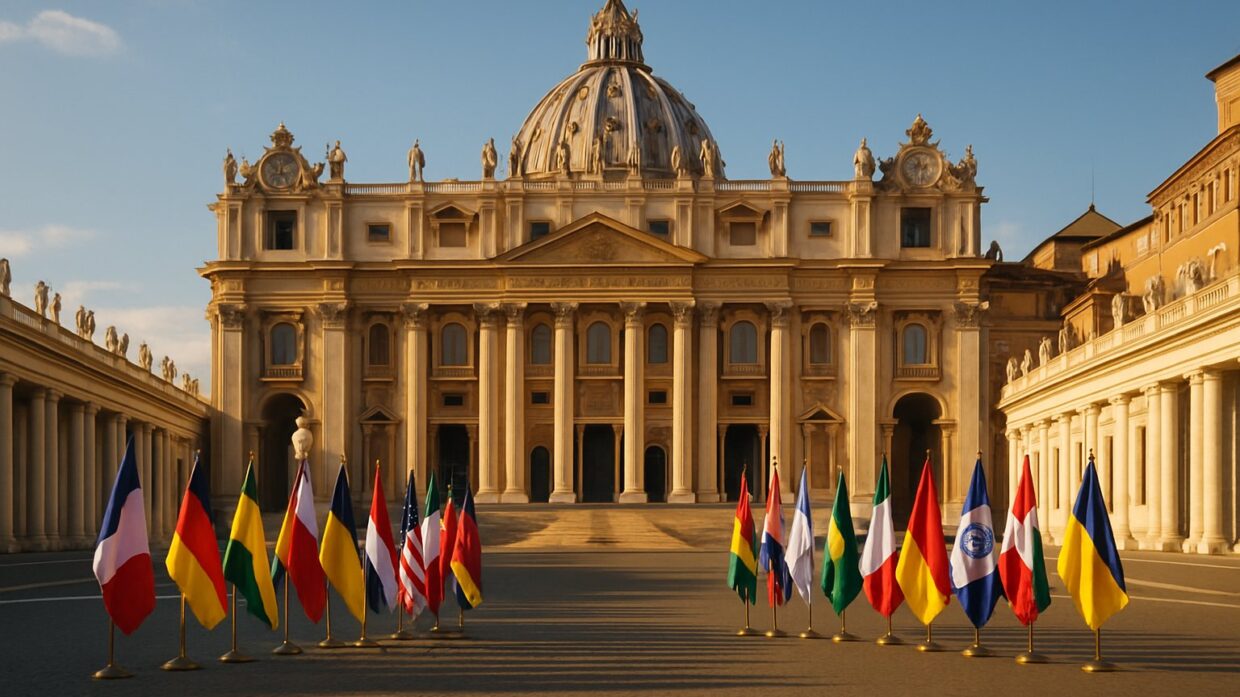
Rubio visits Pope to repair damage after Trump's harsh Vatican criticism
Rubio heads to Rome with Iran clash looming, signals disciplined America First approach
Rubio meets Pope amid Iran negotiations and Trump-Vatican tensions
Key Takeaways
- The Pope has shifted from historical neutrality in U.S.-Iran disputes to public advocacy against Trump administration policy, marking a departure from the Vatican's traditional diplomatic role.
- The structure of Rubio's visit suggests the Trump administration needs the Pope's endorsement for its Iran negotiations to succeed, making the Holy See an active party rather than a neutral observer in the talks.
- Neither the administration nor its critics are acknowledging that Trump created the original tension with the Pope, and no side has explained what coherent Iran strategy exists beyond the public conflict.
The Analysis
Marco Rubio is meeting Pope Leo XIV at the Vatican while the Trump administration reviews an Iran proposal, but neither the left nor the right is naming what this visit actually signals about the current state of U.S. foreign policy architecture and the fractures it has created.
The facts are these: Rubio traveled to Rome for meetings at the Apostolic Palace. Trump has publicly criticized Pope Leo XIV over the pontiff's statements on the Iran war. The Vatican and the Trump administration have engaged in what The Guardian describes as "increasingly fraught" relations. The State Department confirmed the discussions will cover the Middle East and the Western Hemisphere. Simultaneously, Iran is reviewing the Trump administration's latest proposal to end the war. Rubio held a White House briefing with what Fox News called "pointed remarks on Iran" before departing for Italy.
The left frames this as damage control. The Guardian uses the phrase "bid to ease tensions after Trump's criticism" and MSNBC emphasizes the "tense exchanges between President" Trump and the Pope. This framing treats the papal visit as an attempt to repair something broken, implicitly positioning Trump as the aggressor and the Vatican as the reasonable party needing mollification. The omission here is crucial: the left does not ask why the Pope inserted himself into U.S.-Iran negotiations in the first place, or whether Vatican involvement in hostilities discussions represents an unprecedented breach of the diplomatic norm that the Holy See serves as neutral mediator, not advocate. By framing this as Trump's problem to fix, the left avoids naming the structural question the Pope's activism raises.
The right frames this as disciplined statecraft. Fox News places the meeting in the context of Rubio's White House briefing on Iran, suggesting coherent messaging. The Washington Examiner goes further, using Rubio's appearance to preview "what America First could look like post-Trump: disciplined, confident, and built to govern." This frames the Vatican meeting as Rubio's capability demonstration, not damage control. The omission here is different: the right does not acknowledge that Trump created the original tension or explain what the Pope actually said that prompted Trump's response. By positioning Rubio as the competent executor of policy, the right sidesteps the question of whether the administration has a coherent Iran strategy beyond criticism.
What neither side names: the Vatican under Pope Leo XIV has shifted from institutional neutrality in diplomatic disputes toward public advocacy against the Trump administration's Iran policy. This represents a departure from the Pope's historical role. The Pope's public criticism of U.S. policy, followed by Trump's retaliation in kind, followed by a Secretary of State visit framed as relationship repair, reveals that the Holy See is no longer operating as the neutral arbiter it has claimed to be. More fundamentally, the structure of this visit suggests the Trump administration needs the Pope's voice on Iran negotiations more than the Pope needs Trump's approval, which inverts the historical power dynamic between Washington and the Vatican.
The real headline: Rubio's Vatican visit exposes that the Trump administration's Iran strategy requires papal endorsement to succeed, meaning the Pope has become an active party to the negotiation rather than a neutral observer, and both sides are pretending this represents normal diplomacy.
Rubio's visit signals that the Trump administration cannot advance its Iran negotiations without explicit papal validation, transforming the Holy See from neutral mediator into active negotiating party. This structural shift means the Vatican now possesses leverage over U.S. foreign policy that previous administrations actively worked to prevent. Once the Pope becomes an essential stakeholder rather than an impartial observer, every future diplomatic initiative requires managing Vatican interests alongside those of hostile nations. This creates permanent vulnerability: the Pope can withhold endorsement to extract concessions on unrelated matters, from policy toward Catholic migrants to positions on climate negotiations. The diplomatic architecture that kept Vatican influence cordoned off has fractured, and no subsequent administration will be able to restore that separation without explicitly renouncing papal input, which no president will risk politically.