Photo: Well This Is News
Trump heads to China as Iran war destabilizes global markets and inflation pressures mount
Trump confronts Xi over China's backing of Iran and Russia at high-stakes summit
Trump meets Xi in Beijing amid tensions over Iran support, Taiwan arms sales, and rare earth minerals
Key Takeaways
- Both the US and China have already violated their foundational agreements on Taiwan, and neither side expects the other to change course at this summit.
- Trump withdrew from the Trans-Pacific Partnership in 2017, eliminating the main tool designed to contain Chinese trade dominance and removing leverage he might now need.
- The meeting is structured as a success simply by happening in an era of great power competition, but the underlying strategic assumptions that guided US-China relations for forty years have permanently collapsed.
The Analysis
Trump arrives in Beijing on May 13 for a three-day summit with Xi Jinping framed by both sides as focused on stability, but the actual agenda reveals how each power is using this meeting to reset a relationship fractured by years of escalating economic conflict and now complicated by the Iran war.
The verified facts are straightforward. Trump will spend May 13-15 in Beijing. The White House confirmed on February 20 that the trip would happen. Senior administration officials told Fox News that Trump intends to press Xi on China's economic and material support for Iran. Trump himself told Bloomberg he will discuss US arms sales to Taiwan during the summit. NPR reported that a new inflation report is expected during or around the summit showing the Iran war's impact on US prices. Elon Musk is joining the delegation, according to Daily Wire reporting that cites Deputy Press Secretary Anna Kelly's confirmation. China's Foreign Ministry confirmed the dates and said to expect in-depth exchanges.
The left is framing this as Trump desperately needing Xi's help. NPR and MSNBC emphasize inflation and the Iran war's economic damage to American consumers. Guardian coverage focuses on whether Trump will be forced to ask for help ending the Iran war. The implicit argument is that Trump created the Iran conflict and now needs Chinese assistance to contain it, making him vulnerable to pressure. This framing omits that China has actively supported Iran through economic sanctions evasion, weapons transfers, and energy purchases, and that Xi has no incentive to pressure Iran when doing so would weaken a strategic ally. The left's language choice, asking will Trump be forced, suggests desperation rather than negotiation.
The right frames this as Trump holding leverage. Fox News uses the word confront, emphasizing Trump's agency. Breitbart describes Xi as genocidal dictator, a rhetorical choice that portrays Trump as morally clear-eyed in dealing with an adversary. This framing omits that Trump previously sought warm relations with Xi and that confrontational rhetoric often precedes face-saving deals that look like victories for both sides. The right's language choice, confront, suggests strength.
What neither side is saying: This summit happens against forty years of US strategic assumptions about China that no longer hold. In 1972, Nixon opened China believing economic engagement would gradually democratize it. That didn't happen. The US signed the Three Communiques in 1979 and 1982, implicitly agreeing to reduce arms sales to Taiwan. That agreement is now openly violated by both sides. Trump himself withdrew from the Trans-Pacific Partnership in 2017, the deal designed to contain Chinese trade dominance. China's Belt and Road Initiative, launched in 2013, has become a parallel financial order excluding the US. The Iran war has accelerated this separation, with China and Russia now explicitly coordinating against US interests in ways they did not before 2022.
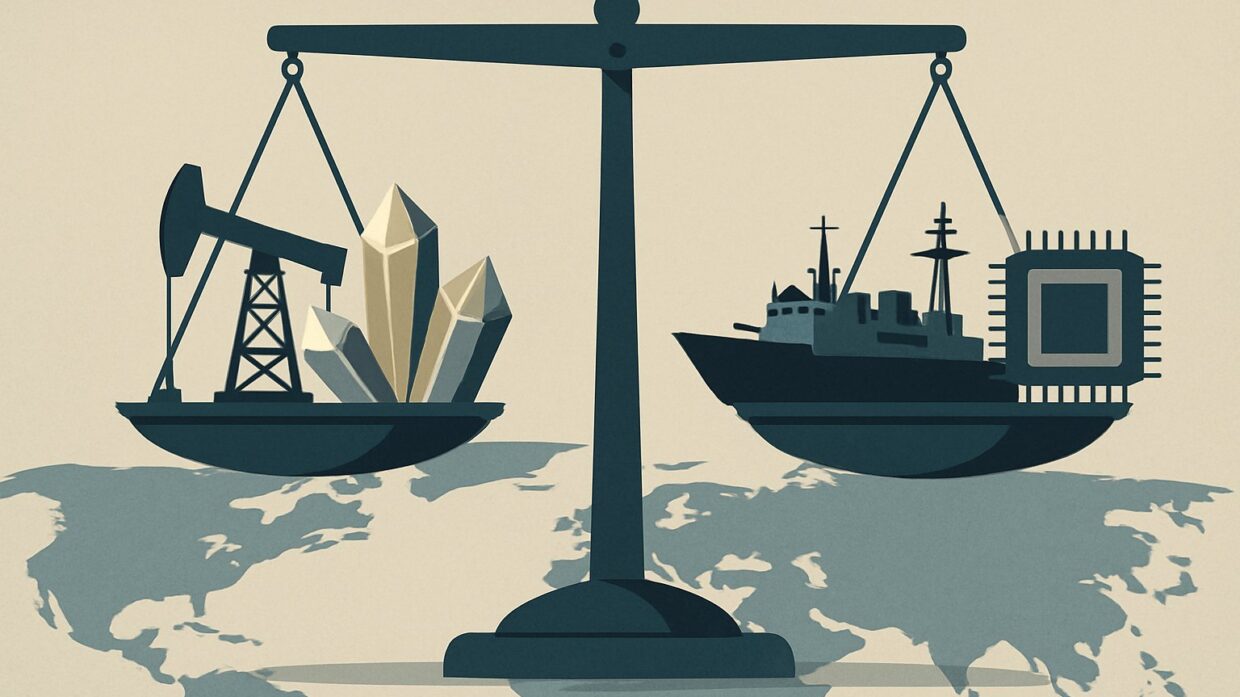
The real headline: Trump and Xi are meeting not to reset their relationship but to manage a permanent split. Neither side expects the other to change course. Trump wants China to pressure Iran and stop buying its oil. Xi will refuse. Trump wants to discuss Taiwan arms sales to signal strength to Congress and allies. Xi will object. Both will claim victory because the meeting itself, in this era, counts as stability. What's actually unstable is the assumption that great power competition can be negotiated away in three days.
China's refusal to pressure Iran during this summit will force the US to accelerate its pivot toward India and Southeast Asia as counterweights to Chinese influence, fundamentally restructuring decades of Washington's assumptions that economic engagement could moderate Beijing's behavior. The Trump administration will walk away claiming diplomatic success while Congress simultaneously moves to legislate stronger Taiwan defense commitments and rare earth mineral independence from China, effectively writing into law the permanent competition this meeting pretends to negotiate away. Within eighteen months, expect formal US trade agreements with Vietnam and Indonesia designed specifically to replace Chinese supply chains, marking the institutional codification that the post-1972 China strategy has collapsed. The meeting's public statements of stability will mask the reality that both powers are now building separate economic systems, and every friendly photo opportunity obscures the structural decisions already made to treat China as a competitor rather than a partner.