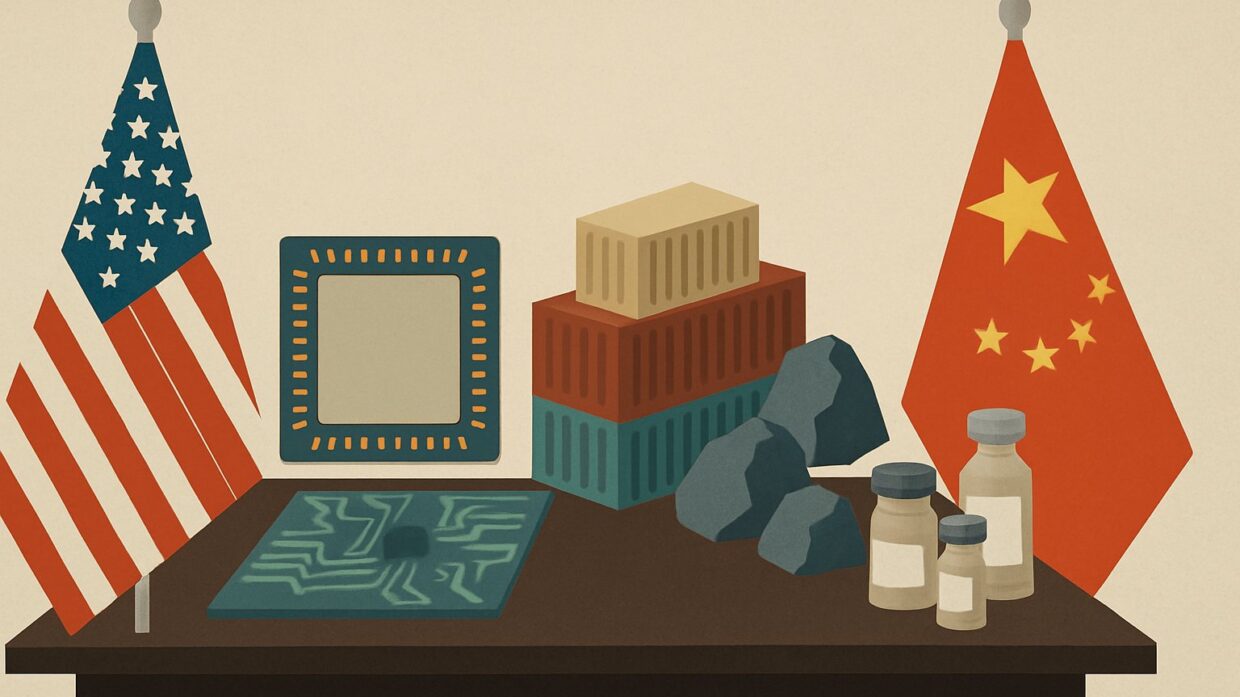
Photo: Well This Is News
Trump Hosts Xi for High-Stakes Diplomatic Summit as Second Meeting This Year
Xi Arrives in Washington as Rubio Escalates Birth Tourism Crackdown Amid AI Supremacy Battle
Trump and Xi Meet Amid Tensions Over AI, Trade, and Strategic Competition
Key Takeaways
- Two presidential summits in five months is unusually frequent for U.S.-China meetings, but neither side has explained what changed between May and September to justify the second summit.
- The timing of Secretary Rubio's birth tourism announcement remains unclear: whether it was coordinated White House messaging to China or independent State Department action reveals whether the administration presented a unified negotiating position.
- Both Trump and Xi appear to be performing toughness for domestic audiences while maintaining open diplomatic channels, but the actual substance of what each side is willing to trade remains undisclosed.
The Analysis
Trump and Xi Jinping's second in-person meeting in five months reveals a U.S. strategy oscillating between diplomatic engagement and strategic pressure, while both leaders deploy rhetoric calibrated to satisfy domestic constituencies demanding toughness on China. The timing matters: this is their second meeting since May, suggesting neither side is willing to fully disengage despite the competing interests that dominate coverage.
What actually happened: Xi arrived in Washington for a state visit. The agenda reportedly includes artificial intelligence competition, tariffs, rare earth mineral access, and Chinese fentanyl exports. Secretary of State Marco Rubio announced new visa restrictions targeting birth tourism participants hours before Xi's arrival. The sources do not disclose the specific negotiating positions each side brought, the confidentiality agreements governing the talks, or whether either leader made commitments that would be tested afterward.
The left framing, through NPR, emphasizes continuity and diplomatic process. The language chosen is notably procedural: "set to greet," "meeting this year," "state visit." This frame leaves out the competitive dimensions of U.S.-China relations that make these meetings necessary in the first place. It treats the summit as an isolated bilateral event rather than situating it within the broader strategic competition the right frame immediately foregrounds. The omission is not accidental; emphasizing diplomatic engagement serves a political function for those concerned about escalation rhetoric.
The right framing, through Fox News, leads with AI supremacy and uses confrontational language: "battle looms large," "high-stakes," "tense." The Rubio birth tourism announcement receives its own separate framing as deliberately timed messaging. This frame emphasizes what is at stake materially (AI dominance, mineral access, drug trafficking) and signals that diplomatic niceties mask genuine strategic conflict. It leaves out what both sides may have agreed to preserve or discuss privately, and it does not establish whether the birth tourism announcement was coordinated messaging or independent action by the State Department.
What neither side fully captures is the precedent this cadence establishes. Two summits in five months is unusually frequent for U.S.-China leadership meetings. The reporting does not establish what changed between May and September that justified a second summit, or whether this reflects a shift toward more continuous engagement at the presidential level. The coverage also does not address whether agreements reached in May are being renegotiated in September, which would signal either failed implementation or shifting positions. The birth tourism timing raises a factual question the reporting does not answer: was this announcement coordinated with the White House as a negotiating signal, or did the State Department move independently? The distinction matters because it reveals whether the administration is presenting a unified negotiating position to China.
The actual headline beneath both frames is this: Trump is maintaining diplomatic contact with China while his administration uses unilateral actions (tariffs, visa restrictions) to signal that engagement does not mean concession. Xi is presumably using the summit to test whether Trump's stated openness to negotiation creates room for Chinese positions on trade or technology access. Both leaders are performing toughness for domestic audiences while keeping diplomatic channels open. What remains unknown is what each side is actually willing to trade.
The frequency of these summits matters because it establishes whether the U.S. has shifted from episodic crisis management to continuous presidential-level negotiation with China. Two meetings in five months breaks historical patterns and suggests either that May's agreements failed immediately or that the Trump administration is testing a different engagement model. The unanswered question about whether the Rubio visa restrictions were coordinated with the White House or represent independent State Department action reveals whether Trump is presenting a unified negotiating front or allowing his administration to send contradictory signals. If unilateral moves like birth tourism restrictions proceed without coordination with the diplomatic channel, China will calibrate its responses to the more hawkish signals rather than presidential statements, collapsing the negotiating leverage these summits supposedly create.