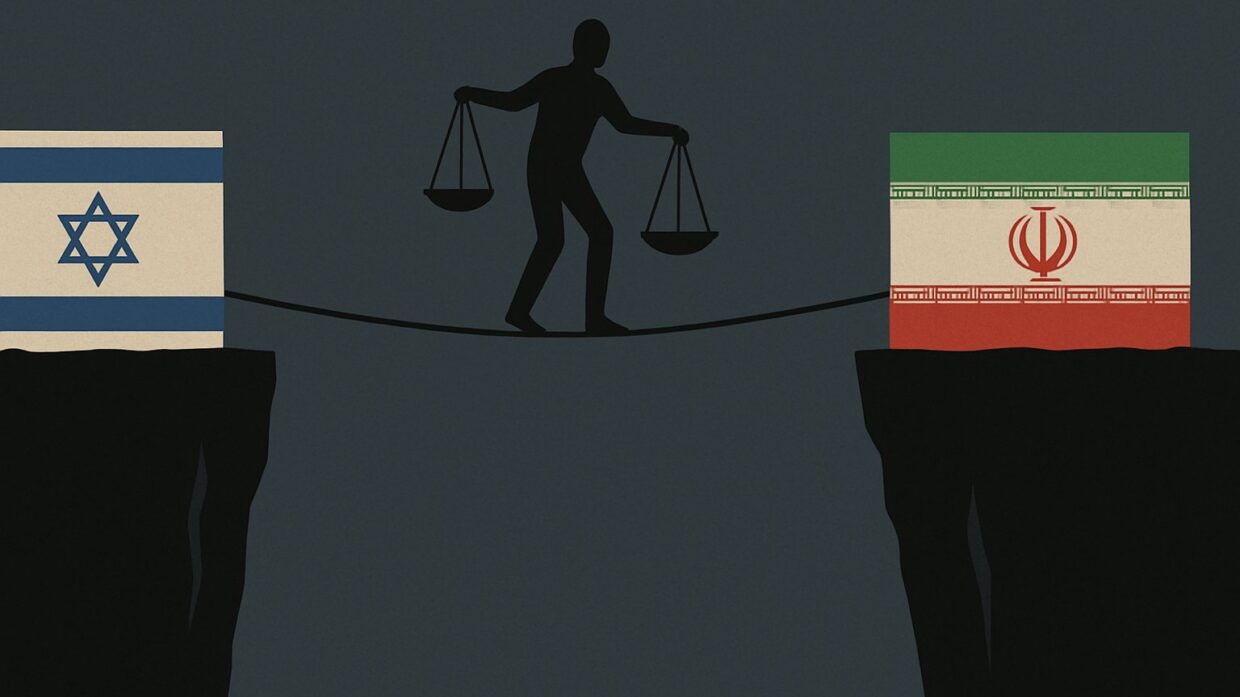
Photo: Well This Is News
Trump-Netanyahu tensions undermine Middle East peace as Israel defies ceasefire pressure
Trump restrains Israel from larger Iran strikes; deal talks claim progress despite new hostilities
Trump intervenes to limit Israel strikes on Iran as ceasefire holds despite escalations
Key Takeaways
- Trump has publicly claimed an imminent Iran nuclear deal more than thirty times in recent months, yet hostilities continue, raising questions about whether his repeated breakthrough announcements reflect actual diplomatic progress or serve domestic political messaging.
- The underlying trigger for this escalation was operational momentum from Hezbollah rocket fire, Israeli responses, and Iranian ballistic missiles, not a fundamental breakdown requiring Trump's intervention to prevent catastrophic war.
- Neither Trump's reported ultimatum nor Netanyahu's operational deferral is documented to have achieved lasting constraint, as both countries continue limited strikes and could resume larger operations depending on battlefield developments.
The Analysis
Trump's reported ultimatum to Netanyahu reveals the operational tension between two allied leaders who entered this conflict as partners but now inhabit fundamentally different strategic positions. According to multiple U.S. and Israeli officials cited by Breitbart, Trump told Netanyahu that further escalation would leave Israel "on its own" militarily, and Netanyahu subsequently canceled what officials described as a "significantly larger" strike operation. This is the first documented instance of Trump using explicit threat of military abandonment to constrain an Israeli operation. The reported scope of the canceled strike remains undisclosed, making it impossible to assess whether Netanyahu deferred a proportional response or backed away from genuine escalation.
The left-leaning coverage, particularly The Guardian's framing of a "complex relationship that continues to undermine ceasefire efforts," emphasizes Trump's public statements about controlling "all the shots" in the Middle East while Israel conducts strikes Lebanon anyway. This reporting left frame foregrounds the incoherence: Trump claims decision-making authority while Israeli operations proceed independent of U.S. approval. What this framing does not address is whether Trump's ultimatum actually worked or whether Netanyahu was already planning a tactical pause. The Guardian's emphasis on Lebanon's president refusing to meet Netanyahu until the war ends shifts attention toward Israeli inflexibility rather than toward the specific operational question of what was actually prevented.
Right-leaning outlets like Breitbart and the Washington Examiner interpret the same intervention as evidence of Trump's decisiveness. The Breitbart headline emphasizes Trump's direct warning, treating the reported cancellation as proof of effective pressure. The Examiner op-ed argues that "America's restraint is Iran's best ally," positioning U.S. intervention as protective of regional stability. This framing credits Trump's threat with preventing escalation and implicitly suggests that without his involvement, Netanyahu would have pursued major strikes. The reporting does not, however, establish whether Netanyahu was genuinely prepared to proceed with a larger operation or whether the reported disagreement reflects normal alliance consultations over strike scope.
What neither side fully addresses is the underlying structural problem: an ally that feels pressure to act and a mediator claiming to control outcomes while simultaneously pursuing diplomatic talks with the adversary. Trump has made public statements about an imminent Iran deal more than thirty times in recent months, according to the Washington Examiner, yet hostilities continue. This pattern raises questions about whether Trump's deal timeline reflects genuine diplomatic progress or whether repeated claims of imminent breakthroughs serve a domestic political function in signaling progress on a signature foreign policy objective.
The other omission across both frames is what happened to trigger this latest escalation. Hezbollah launched rockets and drones at northern Israel on June 6, Israel responded with strikes on Beirut's Dahieh district, Iran then fired roughly 10 ballistic missiles (all intercepted), and Israel prepared a larger response. This sequence suggests operational momentum rather than a fundamental breakdown requiring Trump's intervention. A U.S. Army Apache helicopter also went down near the Strait of Hormuz on Monday, with investigations ongoing into whether Iranian fire was responsible, an event that could itself trigger escalation independent of Trump's pressure on Netanyahu.
The documented facts establish that Trump intervened to limit Israeli strikes and that Netanyahu deferred further action, at least temporarily. What remains unclear is whether this represents genuine constraint or normal alliance management over operational scale. The reported ultimatum appears to have tactical effect, but Trump's repeated claims of imminent deals with Iran suggest his mediation strategy may rely on simultaneous military pressure and diplomatic promises rather than a coherent theory of how either produces lasting settlement.
Trump's explicit threat of military abandonment sets a precedent for U.S. intervention in Israeli operational decisions that fundamentally reshapes alliance management in the region. If Netanyahu genuinely canceled a significantly larger strike in response to this ultimatum, Trump has established that American military commitment is now conditional on Israeli restraint, a shift that transforms how Israel calculates risk in future escalations. This constraint applies not just to this moment but to every subsequent operation Israel considers, forcing Israeli planners to account for unpredictable American veto power rather than predictable alliance support. The absence of clarity about what was actually prevented leaves open whether Trump prevented genuine escalation or simply negotiated strike scope, a distinction that determines whether future Israeli governments will trust American backing when they face imminent threats. Trump's simultaneous pursuit of Iran negotiations while pressuring Netanyahu creates operational incoherence: if Iranian leadership believes the U.S. will restrain Israel, they have incentive to delay settlement;