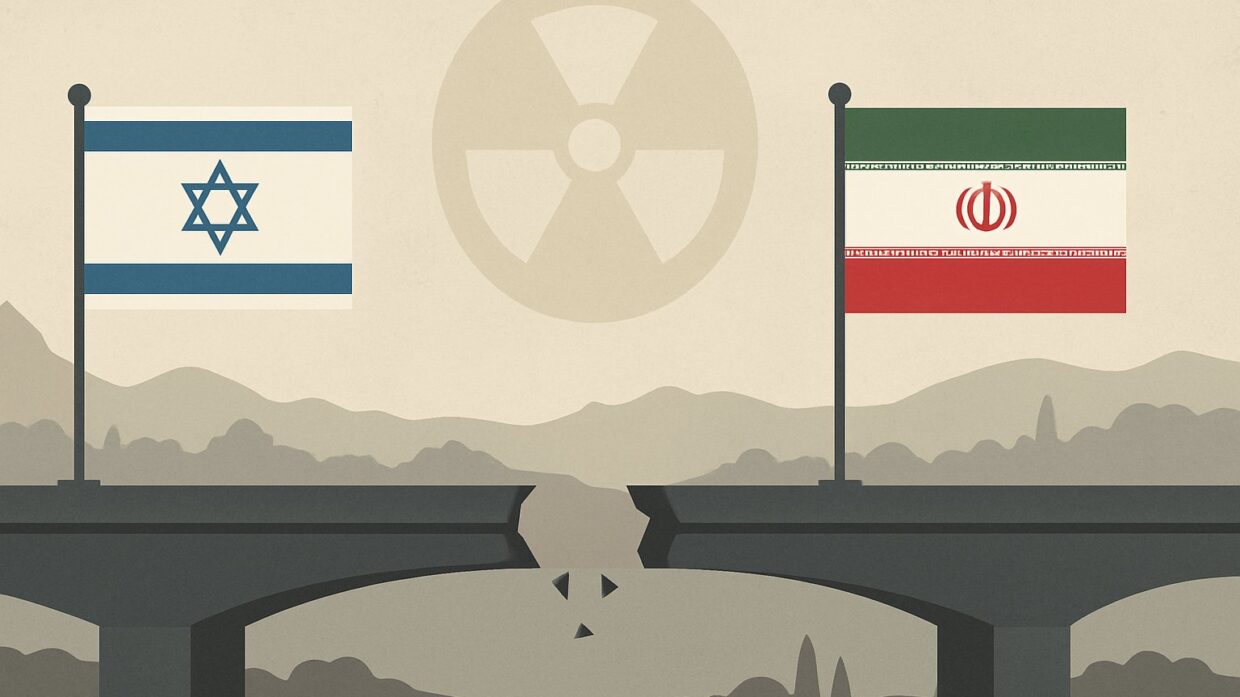
Photo: Well This Is News
Trump touts ceasefire deal while Iran walks away from talks in protest of Israeli military expansion
Trump pressures Netanyahu on Lebanon as Iran suspends negotiations over Israeli operations
Trump claims Israel-Hezbollah ceasefire agreement as Iran suspends nuclear talks over Lebanon offensive
Key Takeaways
- Trump told NBC News that Iran's suspension of talks was preferable to continued negotiation, suggesting his actual strategy favors reduced diplomatic activity rather than viewing Iran's departure as a setback.
- The available reporting does not establish whether Trump's ceasefire agreement was finalized before or after Iran suspended nuclear talks, leaving unclear whether he achieved a diplomatic success or announced something still under negotiation.
- No source confirms whether Israel's capture of Beaufort Castle and military expansion in Lebanon were coordinated with Trump's mediation strategy, conducted independently, or used deliberately as pressure on Iran to test its commitment to negotiations.
The Analysis
Trump announced Monday that Israel and Hezbollah had agreed to reduce military operations after direct intervention with Netanyahu and mediated contact with Hezbollah. The announcement arrived precisely as Iran suspended indirect nuclear talks with the U.S., citing Israeli military expansion in Lebanon as the reason. What neither the Trump administration's public framing nor the opposition criticism addresses is the specific sequence of events that triggered the Iranian withdrawal and what it reveals about the actual state of these negotiations.
The documented timeline is critical. Israel captured Beaufort Castle in southern Lebanon for the first time in 26 years, according to The Guardian's reporting, while expanding its military footprint in the country. Iran suspended talks in response to what Tehran described as a "violation of ceasefire" terms. Trump then claimed success in getting both sides to agree to halt shooting. The left-leaning coverage emphasizes Iran's walkout as a rupture caused by Israeli aggression, framing Trump's ceasefire announcement as coming after the diplomatic damage was done. The right-leaning coverage emphasizes Trump's ability to pressure Netanyahu into accepting constraints, presenting it as a demonstration of effective mediation that prevented further escalation. Both framings leave out the same critical fact: whether the ceasefire Trump announced actually reflects a binding agreement or represents a public relations move designed to salvage nuclear talks Iran had already abandoned.
Trump's exact words on Iran's suspension reveal the tension. When asked about Iran pulling out of talks, Trump told NBC News, "I think we've been talking too much, if you want to know the truth. I think going silent would be very good." That statement reframes Iranian withdrawal not as a setback but as a desirable outcome. It also suggests Trump's actual negotiating position: that silence and reduced diplomatic activity serve his interests better than continued talks. The Washington Examiner headline reads "Trump brushes off Iran suspending peace talks," which captures the tone but omits that Trump may be signaling a deliberate shift in strategy rather than accepting an unwanted Iranian action.
What the available reporting does not establish is whether Trump's ceasefire agreement with Israel and Hezbollah was already in place before Iran's suspension, or whether it was announced after the fact to demonstrate that diplomatic activity was continuing despite Iran's departure. The timeline in the sources suggests the ceasefire announcement came after Iran's suspension, but the reporting does not clarify whether those talks had yielded the agreement or whether Trump was announcing something still in negotiation. That distinction matters, because it determines whether Trump is managing a partial diplomatic success or performing damage control.
The broader context absent from both sides' framing involves prior agreements. Iran has suspended talks before over Israeli military actions. The question neither the left nor right fully addresses is whether Israel's Lebanon operations were coordinated with Trump's mediation strategy, conducted independently, or represented a deliberate pressure tactic designed to test Iran's commitment to negotiations. The Guardian's reporting of Beaufort Castle's capture as "a shock to all Lebanese" establishes the scale of the Israeli operation, but no source confirms whether Trump knew it was coming.
What makes this significant is what it suggests about Trump's negotiating hierarchy: preventing Iranian escalation appears to matter more than preventing Israeli expansion, and diplomatic silence may serve his interests better than active negotiation. The public record does not yet establish whether a durable ceasefire agreement exists or whether this is a temporary holding pattern.
Israel's capture of Beaufort Castle and expanded military footprint in Lebanon triggered Iran's nuclear talks withdrawal, yet Trump's subsequent ceasefire announcement obscures whether he negotiated that agreement beforehand or announced it after the fact to perform diplomatic continuity. The timing matters because it reveals Trump's actual negotiating priority: Israeli military expansion appears acceptable if it pressures Iran into withdrawal, and public silence on nuclear talks may serve his administration better than continued negotiation. When Trump told NBC that "going silent would be very good," he was not lamenting Iran's departure but signaling a deliberate strategy shift. No reporting confirms whether Israel's Beaufort Castle offensive was coordinated with Trump's mediation or represented independent pressure designed to test Iranian commitment. The distinction between managing a partial diplomatic success and conducting damage control determines whether future administrations inherit a framework for renewed talks or a precedent where Israeli military escalation successfully terminates negotiations without triggering retaliation.