Photo: Well This Is News
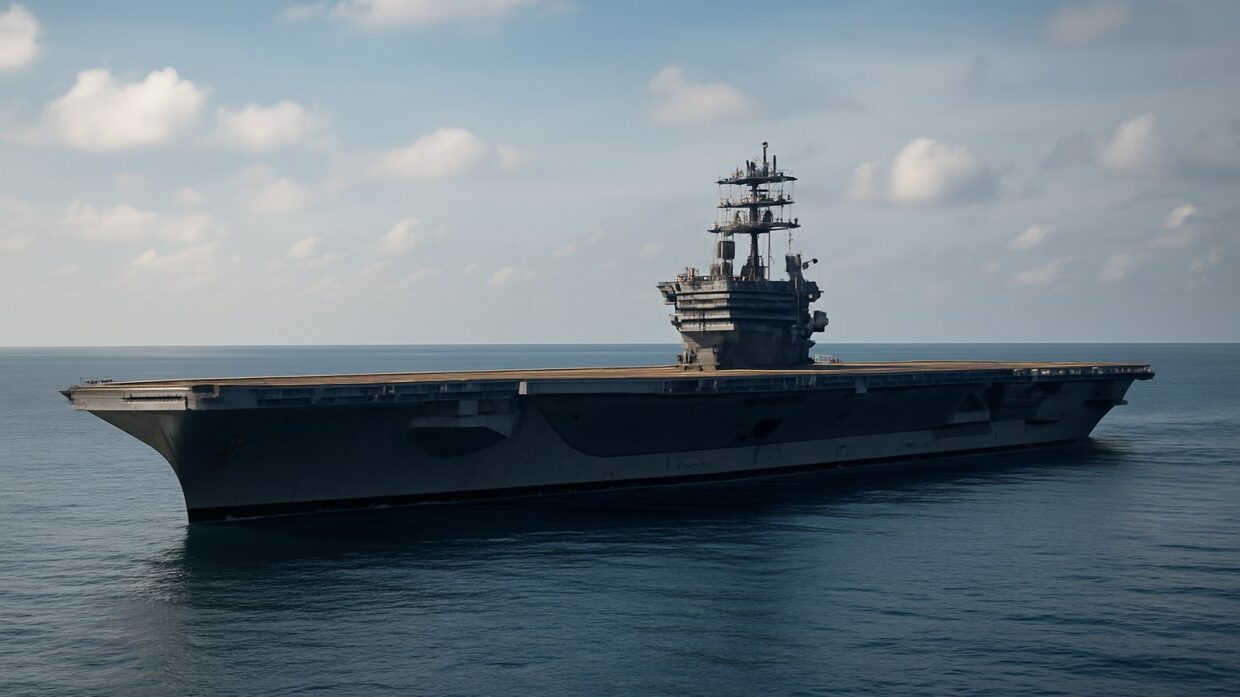
Eight sailors attempted suicide during USS Lincoln's extended Iran war deployment
Eight sailors attempted suicide during USS Lincoln's Iran war deployment, Navy Secretary confirms
Navy reports eight suicide attempts across USS Abraham Lincoln strike group during 300-day deployment
Key Takeaways
- Eight suicide attempts across 7,000 personnel over 300 days may or may not represent a crisis depending on Navy baseline rates, which have never been publicly disclosed.
- The Navy disclosed these incidents only when directly asked by Congress rather than through proactive announcement, suggesting the information was not flagged as urgent within the service.
- Neither the Navy nor independent reporting has examined what welfare protocols exist, whether they were actually used during this deployment, or why they did not prevent the attempts.
The Analysis
Acting Navy Secretary Hung Cao disclosed in a letter to a Senate Democrat that eight sailors attempted suicide across the USS Abraham Lincoln carrier strike group during a deployment exceeding 300 days without a port call. The figure was released after Congressional inquiry, and the framing of that disclosure has already begun to diverge sharply depending on source.
The documented facts are these: eight sailors assigned to the strike group attempted suicide. The deployment lasted more than 300 days. The ship departed San Diego in November 2025. The operational area included the Middle East. The Navy provided the number in writing in response to a lawmaker's question. No other details about the sailors, the attempts, their outcomes, or specific circumstances have been publicly disclosed.
Left-leaning outlets including NBC News frame the story primarily around the deployment's extended duration and its connection to Iran operations. The language emphasizes the "difficult deployment," the lack of port calls, and the strain on crew welfare. This framing establishes a causal link between operational tempo and mental health crisis without explicitly stating it. By leading with the 300-day figure and the Iran context, the coverage invites readers to connect prolonged deployment to psychological breakdown. What that framing does not establish is whether the eight attempts represent an elevated rate compared to fleet baseline, what support or intervention the Navy provided, or what the sailors themselves identified as contributing factors.
Right-leaning outlets including the Washington Examiner report the same facts but emphasize different elements. The emphasis falls on the official disclosure by a named Navy Secretary, the operational mission against Iran, and the straightforward acknowledgment of the incidents. The frame is closer to factual reporting with less interpretive layering. The same causal link between deployment duration and mental health is present but less pronounced. What this framing leaves underexamined is whether eight attempts during a 300-day deployment is statistically significant, what comparable periods in Navy history show, and what systemic issues the incidents may reveal.
What neither framing addresses directly is the absence of comparative context. The public record does not establish whether eight attempts across a strike group of approximately 7,000 personnel over 300 days represents an crisis, a normal operational expectation, or something between. The Navy has not disclosed whether this rate is higher, lower, or consistent with previous long deployments. Neither source explores what the Navy's own personnel welfare protocols are, whether they were deployed during this mission, or why they may have failed to prevent eight attempts.
The timing of the disclosure itself requires examination. The information emerged not through Navy announcement but through Congressional inquiry. Hung Cao is an acting secretary without Senate confirmation. The choice to respond to a specific lawmaker's question, rather than issue voluntary disclosure, suggests the Navy was not proactively surfacing the information. No reporting yet establishes whether the Navy was monitoring this trend in real time or discovered it only when asked.
The most honest headline accounts for what we know and what remains undisclosed: eight sailors attempted suicide during the USS Abraham Lincoln's 300-day deployment. Whether that represents a crisis, a systemic failure in welfare protocols, or an expected consequence of operational necessity is a question the available reporting does not yet answer.
Eight suicide attempts across a 7,000-person strike group over 300 days demands Navy-wide examination of extended deployment protocols, yet the disclosure emerged only through Congressional pressure rather than voluntary reporting, suggesting institutional indifference to accumulating crew welfare data. The Navy has not provided baseline suicide attempt rates for comparable deployments, making it impossible to determine whether this represents systemic failure or operational norm. The absence of proactive disclosure by a non-confirmed acting secretary indicates the institution is not treating mental health crises as automatic triggers for policy review, meaning similar patterns could persist across other carrier strike groups without triggering corrective action or public accountability. This deployment model will continue unchanged until Congress mandates transparent mental health reporting standards and forces the Navy to establish welfare thresholds that halt operations when exceeded.