Photo: Well This Is News
Netanyahu faces mass walkout, over 100 arrested as protesters decry inflammatory remarks
Celebrities including Elliot Page arrested protesting Netanyahu at U.N.
Hundreds arrested during Netanyahu UN speech protests in New York
Key Takeaways
- The specific language Netanyahu used to prompt walkouts and arrests remains unreported, leaving unclear what statements actually triggered the response from assembly members and protesters.
- The legal jurisdiction and exact location of arrests is not established in coverage, making it impossible to determine whether detentions occurred inside the UN building or on New York City streets where different laws apply.
- The protest occurred amid documented congressional debate over US military aid to Israel and measurable generational and partisan fractures in American public support for Israeli military operations, context absent from all coverage.
The Analysis
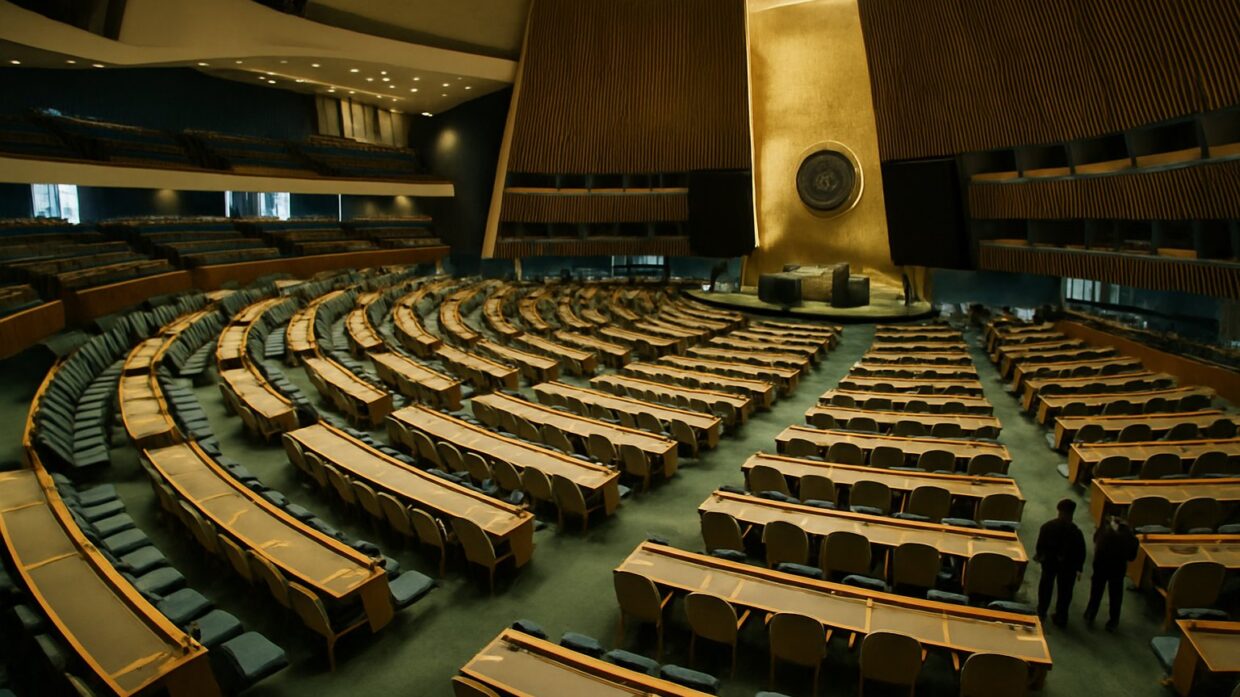
More than 100 people were arrested during demonstrations at the UN General Assembly when Israeli Prime Minister Benjamin Netanyahu delivered an address, with a documented mass walkout occurring inside the assembly hall itself. The protests drew named celebrities including Susan Sarandon, Chelsea Manning, and Elliot Page, and the coverage splits sharply on what those arrests mean.
The Guardian's framing emphasizes Netanyahu's language as inflammatory and foregrounds the walkout as a rejection of his remarks. Mother Jones places this protest within a broader historical arc of Gaza-related activism in New York, mentioning bridge blockades and the occupation of the Statue of Liberty as part of an escalating pattern. Breitbart's coverage identifies the detained celebrities by name, but notably emphasizes Elliot Page's transgender identity in the headline itself, a framing choice that shifts focus from the protest's stated political purpose to the identity of the participants. That word choice serves a specific function: it makes the story about who was arrested rather than why.
The left frame uses the term inflammatory without providing the specific language Netanyahu used in his address. The available reporting does not establish what statements prompted walkouts or whether the arrests were for civil disobedience inside the assembly hall, street-level protest activity, or blocking infrastructure. The coverage emphasizes the scale and celebrity of the arrests but does not disclose the charges or the circumstances that led to detention.
The right frame names the celebrities but organizes the story around their identity categories rather than their stated political message. Breitbart's headline construction, by leading with Page's transgender identity, appears designed to invite readers to interpret the protest through a cultural identity lens rather than as political dissent. That framing also leaves unexplained what Netanyahu actually said that prompted the response, or how many people walked out, or what specific policies the protests opposed.
What neither side fully captures is the immediate political context. The available reporting does not establish whether this protest was timed to Netanyahu's UN appearance specifically, or whether it reflects escalating grassroots opposition to Israeli government policy, or how the current US administration's stated position on Gaza related to the police response to protesters. The coverage does not clarify whether the arrests occurred inside the UN building (where different legal jurisdictions apply) or on New York City streets. The reporting does not establish whether the NYPD's response was typical for UN-related protests or represented a shift in how such demonstrations are policed.
The underlying fact both sides avoid is that Netanyahu's speech occurred at a moment when US military aid to Israel remains a documented political debate in Congress and the American public's support for Israeli military actions shows measurable fracture along generational and partisan lines. That context would explain why the protest drew such visible celebrity participation and why the police response merited coverage, but it appears in none of these accounts.
The most honest version of this headline would acknowledge that a significant protest occurred during Netanyahu's UN address and was met with mass arrests, that the event drew named public figures and generated competing interpretations about its meaning, and that what actually prompted the walkout and the scale of opposition within the assembly hall remain not fully established in the reporting.
Netanyahu's UN address triggered mass arrests and a documented assembly walkout at a moment when Congressional Democrats actively debate conditioning military aid to Israel and public support for Israeli military operations fractures along generational lines. The competing coverage reveals how outlets frame identical events through opposite identity lenses: left outlets emphasize inflammatory rhetoric without specifying it, right outlets lead with protesters' identity categories rather than their stated political demands. Neither reports the jurisdictional details of where arrests occurred, what specific charges were filed, or whether the police response reflected standard UN protest protocol or a policy shift. The unreported context matters because it determines whether this was routine demonstration policing or signaled changing official tolerance for Gaza-related activism in New York City. The absence of that clarity from major outlets leaves readers unable to assess whether the story reflects deepening domestic fracture over US Middle East policy or merely celebrity participation in predictable activism.