Photo: Well This Is News
Terror plot thwarted while Trump walks away from Iran negotiations
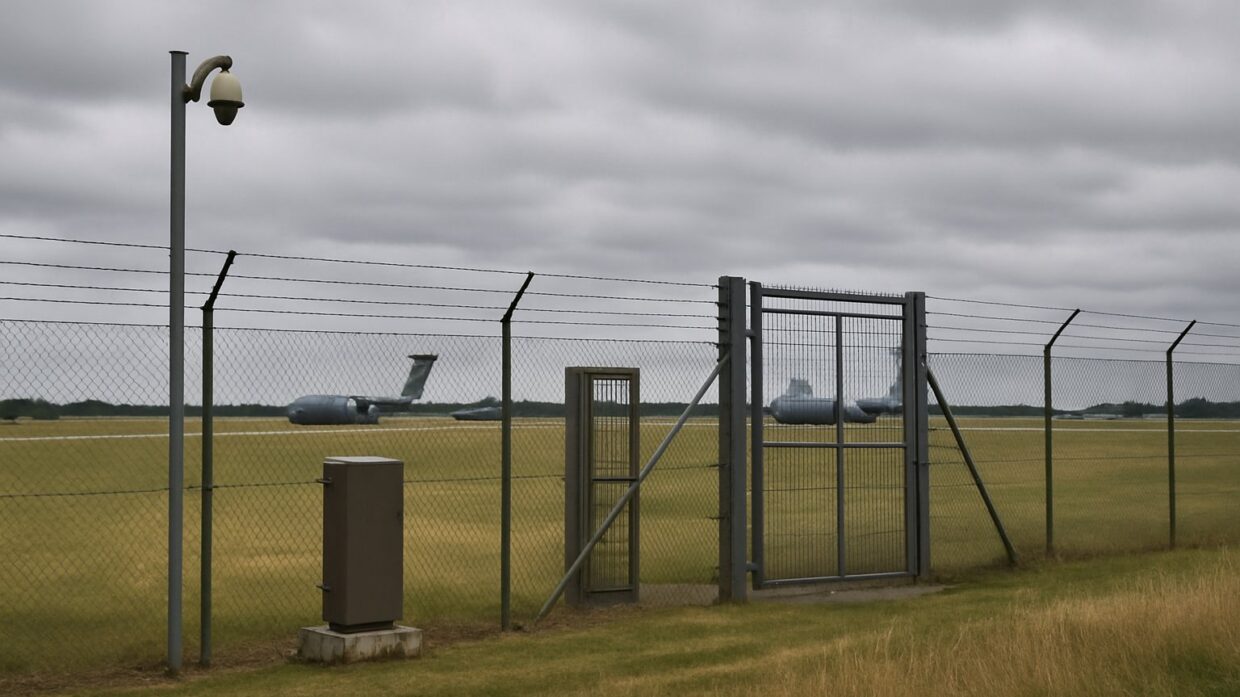
Sinister terror plot targeting US bombers foiled at UK base
Five arrested near UK air base as Trump rejects Iran war proposal
Key Takeaways
- Neither the left nor right reporting disclosed whether the five arrested men have confirmed connections to Iran or whether any Iranian state involvement in the alleged plot has been established.
- Trump rejected Iran's proposal the same day the terror plot was made public, but no reporting clarifies whether the proposal was made before or after the alleged plot was discovered or if knowledge of the plot influenced the rejection decision.
- The base at RAF Fairford had been used for months to launch strikes against Iran prior to the alleged terror plot, yet neither side addressed whether the plot represents retaliation for those strikes or independent aggression.
The Analysis
Two separate but chronologically linked events are being reported as evidence for opposite narratives: on Sunday, British police arrested five men near RAF Fairford on suspicion of preparing a terrorist attack, and Trump rejected Iran's proposal to end the ongoing war. Neither framing addresses what connects them or what preceded either.
The verified facts are narrow. British authorities declared a major incident Sunday near RAF Fairford in Gloucestershire, a forward operating location for US Air Force Global Strike Command. Five men were arrested on suspicion of terrorism and explosives offenses. The base has been used to facilitate US strikes against Iran. Trump said Sunday the arrests were 'fantastic' and 'an amazing job.' The same day, Trump rejected Iran's latest proposal to end the war. UN Ambassador Marco Waltz told reporters the Iranian negotiators 'were asking for everything up front,' implying they were not negotiating in good faith. Trump later told Axios he expected talks to resume this week.
The left frame, articulated through The Guardian and MSNBC, emphasizes the terror plot discovery while Trump walks away from negotiations. This framing treats the two events as causally related: a terror threat emerges precisely as diplomatic off-ramps close. The language chosen by Waltz, 'were asking for everything up front,' suggests Iranian negotiators were making unreasonable demands. This framing does not disclose what Iran actually proposed, what the specific demands were, or what the US counter-offer included. It leaves out the history of prior negotiations, the status of previous agreements, or whether Iran's current position reflects a response to US moves.
The right frame, articulated through The Daily Wire and Washington Examiner, emphasizes the alleged terror plot as evidence of Iranian hostility and justification for continued military posture. The language chosen, 'sinister terror plot targeting America's most powerful bombers,' treats the incident as a direct Iranian threat even though no Iranian involvement has been established in the reporting. This framing does not address whether the five arrested men have confirmed connections to Iran, whether the plot was state-sponsored or independent, or what the investigation has actually revealed. It treats the terror threat and the rejected negotiations as separate but mutually reinforcing: Iran can't be trusted diplomatically because Iranians are willing to attack US assets.
What neither framing addresses is the sequence itself. The base at RAF Fairford has been used to launch strikes against Iran for months or longer. The terror plot, if directed at the base, may represent retaliation for those strikes rather than a standalone Iranian aggression. Trump rejected Iran's proposal the same day arrests were made public, but the reporting does not establish whether that proposal was made before or after the alleged plot was discovered or whether knowledge of the plot informed the rejection. The left does not explain why Iran's terms were unreasonable. The right does not explain whether any alleged Iranian involvement in the plot has been confirmed. Neither discloses the substance of the Iranian proposal or why it failed.
The underlying question is whether the terror plot justifies military escalation or suggests that the current military posture is generating the very threats it claims to prevent. That requires knowing what Iran actually proposed, why it was rejected, and whether the five arrested men have documented ties to Tehran. The reporting establishes none of this.
RAF Fairford's role as a staging ground for US strikes against Iran for months creates a direct precedent for interpreting Sunday's alleged terror plot: this may represent retaliation rather than unprovoked Iranian aggression, yet neither political frame acknowledges the base's operational history or whether the five arrested men have confirmed Iranian state connections. Trump's same-day rejection of Iran's negotiation proposal leaves the substance of that proposal entirely unreported, making it impossible to assess whether his dismissal reflected reasonable skepticism or foreclosed a genuine off-ramp that might have prevented further escalation. The institutional consequence is clear: without disclosure of what Iran actually proposed, the public cannot evaluate whether the terror plot and rejected talks represent a cycle of action-reaction or evidence that diplomacy with Iran is futile, leaving future military decisions unmoored from the facts that should constrain them.