Photo: Well This Is News
More than a dozen arrested in connection with 2021 assassination of Haitian president
18 suspects in Haitian president's 2021 killing to be extradited to US
18 suspects in 2021 Haitian president assassination extradited to US for trial
Key Takeaways
- Nearly four years after Moïse's assassination, investigators have not publicly identified who planned the operation or financed it, despite indicting 30 people.
- The 18 suspects being extradited appear to include trigger pullers and operatives, but the public record does not establish whether anyone has been charged with ordering or organizing the killing.
- Haiti's political and security environment before the assassination involved Moïse's plan to dissolve parliament and rising gang violence, yet reporting does not clarify whether the killing reflects internal political conflict, criminal destabilization, or external involvement.
The Analysis
Eighteen suspects in the July 7, 2021 killing of Haitian President Jovenel Moïse are being extradited to the United States, but neither the left nor right framing addresses the central unresolved question: who planned and financed the coordinated operation that killed a sitting president, and why has that remain obscured for nearly four years.
The verified facts are narrow and procedural. Moïse, 53, was shot at his residence. U.S. Attorney Jason Reding Quiñones stated that 30 suspects have been indicted total, with 18 now transported to US jurisdiction. The case has involved arrests of individuals ranging from security personnel to alleged hired operatives. But the public record does not establish the identity of whoever organized the plot or provided the resources and intelligence necessary to breach presidential security.
The Guardian's framing emphasizes the arrest tally and the chaos the killing sparked in Haiti. The headline counts "more than a dozen," echoing how law enforcement and officials typically announce progress in high-profile cases. The language foregrounds the arrest itself as a resolution milestone. This framing leaves out the fact that arrests do not necessarily mean the conspiracy's architects have been identified or that anyone has been prosecuted for ordering the killing. It also does not address why, nearly four years after the assassination, Haiti remains deeply unstable and why the underlying political or criminal motive for removing Moïse has not been definitively established in public reporting.
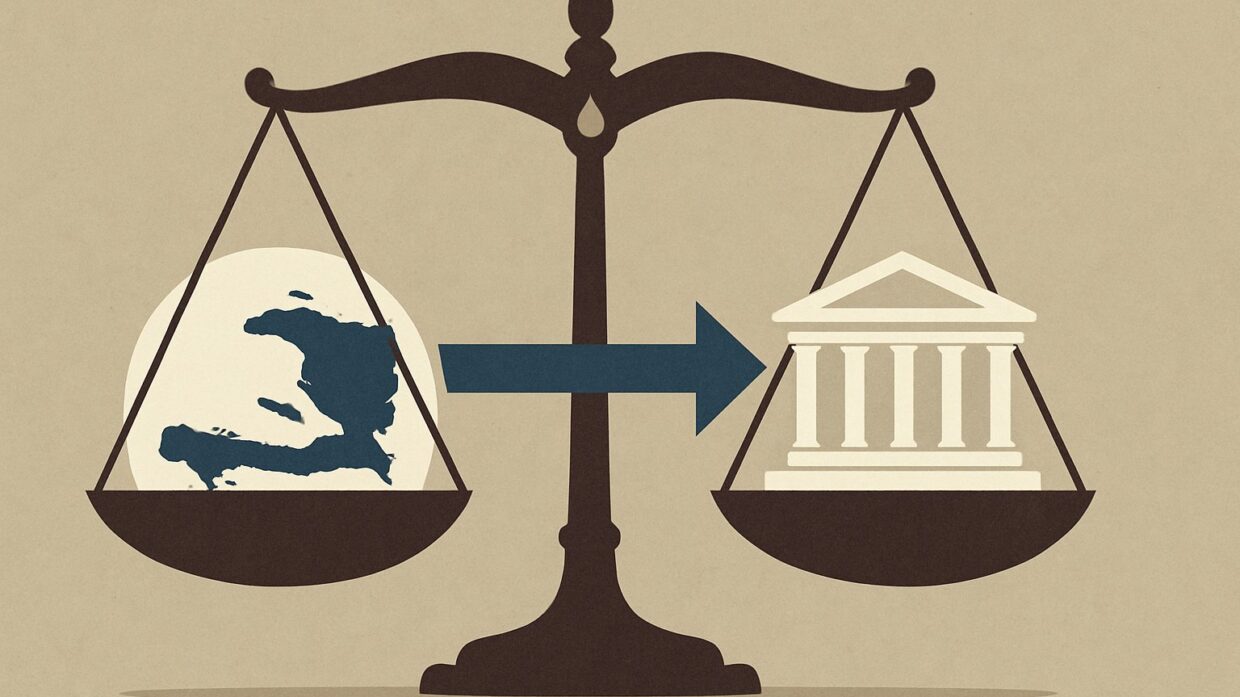
The Washington Examiner's framing shifts the narrative focus to US jurisdiction. The headline emphasizes extradition to the United States rather than arrest in Haiti. By naming the specific US attorney and citing the indictment count, the reporting associates the case progression with American legal authority. This framing emphasizes US institutional competence and involvement. What it underplays is the question of whether US prosecution serves Haitian accountability or primarily protects US interests. It also does not address whether evidence gathered by Haitian authorities was compromised, or whether moving the trial to Florida removes context crucial to understanding why a Haitian leader was killed.
What neither side addresses is the structural gap between activity and knowledge. Thirty people indicted does not equal one conspiracy solved. The reporting does not establish whether investigators have identified who issued the order to kill Moïse, who financed the operation, or what political or economic motive drove the plan. The indictments may reflect individual defendants: trigger pullers, facilitators, arrangers. But the organizing intelligence behind the operation remains undisclosed, if it has been established at all.
The second omission neither framing mentions is Haiti's institutional context. Moïse had announced he would dissolve parliament and rewrite the constitution. He faced mounting political opposition and gang violence that had intensified before his death. The reporting does not establish whether the killing reflects internal Haitian political conflict, criminal organizations seeking to destabilize the government, or external actors. Answering that question is prerequisite to understanding whether prosecuting 18 suspects in Miami constitutes justice or displacement of a problem Haiti must ultimately resolve internally.
Moving a prosecution to US courts without establishing who commanded the operation or why allows the conspiracy to remain structurally intact. The 18 extradited suspects may be operatives, but the architects of Moïse's assassination have not been publicly identified nearly four years later. Haiti cannot rebuild legitimate governance or address the political and criminal forces that destabilized it while the true power structure behind the killing remains obscured. Prosecution in Florida substitutes US legal procedure for the investigation Haiti needs: understanding whether internal political rivals, gangs, or external powers orchestrated the killing. Without that answer, Haiti's institutional collapse deepens regardless of convictions secured elsewhere.