Photo: Well This Is News
Court halts Trump's takeover of Kennedy Center, rules naming illegal
Judge blocks Trump administration's Kennedy Center renovation and rebrand
Federal judge orders Trump's name removed from Kennedy Center, blocks closure plan
Key Takeaways
- The Trump administration pursued a board-level renaming without seeking legislative amendment, which would have required Congress to debate and approve any name change.
- Neither the administration nor its critics have publicly explained what specific renovations justified closing a major cultural institution for two years or how they would be funded.
- The judge's ruling does not prevent Congress from changing the Kennedy Center's name if it chose to do so, meaning the ultimate resolution of this dispute may depend on legislative action rather than litigation.
The Analysis
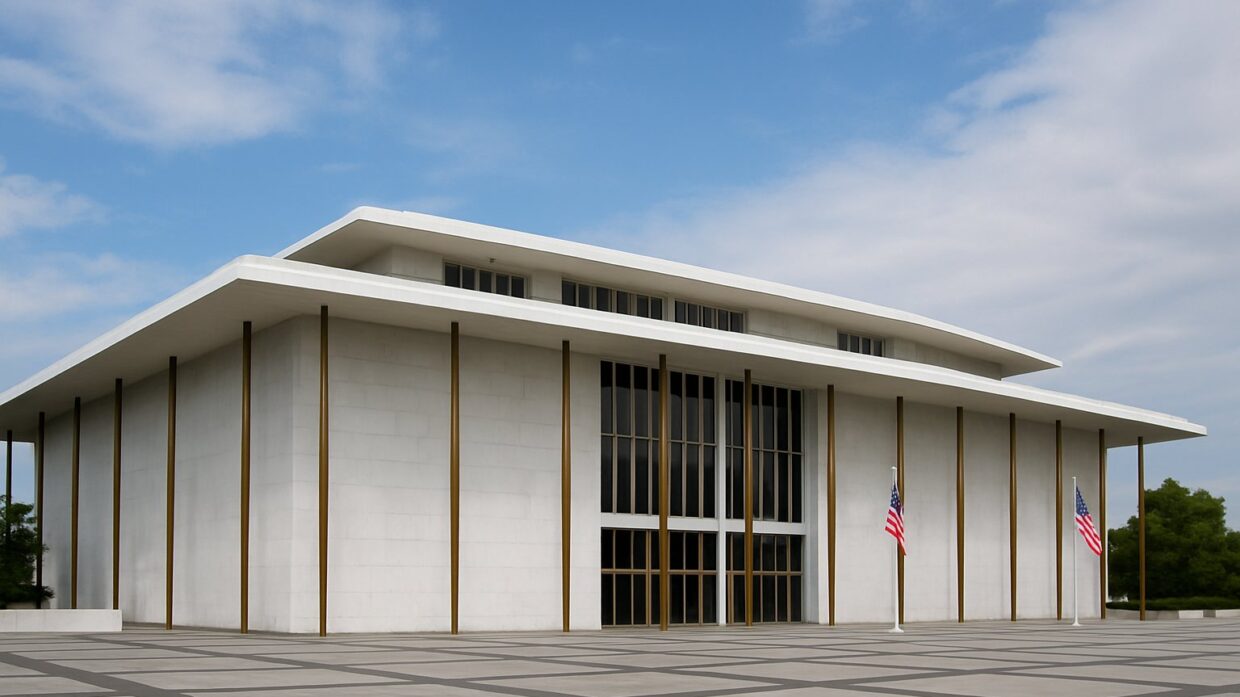
A federal judge ruled Friday that the Trump administration violated federal law by adding Donald Trump's name to the Kennedy Center, ordering the name removed and blocking a two-year closure plan. What neither the Trump administration nor its critics have fully explained is why the Kennedy Center's board decided to pursue the rename in the first place, or what specific renovations justified closing a major publicly supported arts venue.
The documented facts are these: The Kennedy Center was established by Congress in 1964 as a memorial to President John F. Kennedy, a mandate codified in the center's statute. The Trump administration's board moved to rename it and announced plans to close it for renovations. A federal judge issued a 94-page ruling stating it was "crystal clear" that the statutory name is binding and cannot be unilaterally changed. The judge also blocked the closure, at least temporarily, preventing the administration from executing its renovation strategy.
The left's framing emphasizes executive overreach and rule-of-law violation. Language like "illegal takeover" and "illegally added" appears in multiple outlets, positioning the administration as attempting a power grab. That framing leaves out any substantive discussion of whether the Kennedy Center's current state actually requires renovation, what those renovations would cost, how they would be funded, or whether the statutory naming requirement can be meaningfully updated through legislative amendment. The left's emphasis on judicial constraint reads as institutional defense without addressing whether the underlying statute remains fit for purpose.
The right's framing tends toward institutional process and legal technicality. The language shifts to "temporary block" and "legal questions remain unresolved," suggesting the ruling is preliminary rather than final. That framing underplays the judge's confidence in the statutory language and sidesteps the question of why the administration believed it had the power to rename a congressionally designated memorial in the first place. The right also largely avoids discussion of what the board's motivation was for pursuing the rename.
What neither framing addresses is the actual history here. The Kennedy Center was established as a living memorial to a slain president. The statute naming it was not a clerical formality, it was a deliberate congressional act. The Trump administration did not seek legislative amendment to change the name, which would have required congressional action and likely public debate. Instead, it moved unilaterally through board governance. The judge's ruling does not prohibit Congress from changing the name if it chose to, but it does establish that the executive branch cannot do so alone. The other unaddressed question is what the renovations are for and whether closing a major cultural institution for two years serves the public interest the Kennedy Center is meant to serve.
What this case actually signals is a collision between two legal doctrines: the authority of agency boards to make administrative decisions about the institutions they govern, and the binding nature of congressional statutes. The judge sided with the latter. Whether that decision will survive appeal, and whether Congress might ultimately choose to update the statute, remains unresolved. For now, Trump's name must come off and the Kennedy Center remains open.
The Kennedy Center ruling establishes a concrete precedent that Congress-designated statutory names cannot be altered through executive board action alone, constraining how future administrations can modify federally chartered institutions without legislative amendment. This decision protects the binding power of congressional statutes against unilateral executive reinterpretation, but it leaves unanswered whether the underlying statute itself, written in 1964, can be legitimately updated through the proper legislative channels if public consensus shifts. The ruling also forces transparency about institutional renovation needs by blocking closure without judicial scrutiny of the administration's justification, ensuring that major changes to publicly supported cultural venues cannot proceed on executive assertion alone. The institutional impact extends beyond the Kennedy Center itself, signaling that agency boards cannot override their founding mandates regardless of which administration controls them.