Photo: Well This Is News
Federal judge halts Trump's Kennedy Center takeover, preserves arts institution's independence
Trump warns of Kennedy Center safety crisis after court blocks his name from building
Judge blocks Kennedy Center name change again as Trump disputes building safety claims
Key Takeaways
- Neither side has presented independent verification of the Kennedy Center's actual financial position or structural condition, leaving the core question of whether the institution faces a genuine crisis completely unresolved in public reporting.
- The judge's ruling addresses only whether the board has legal authority to rename the building, not whether the Kennedy Center's claimed problems are real or urgent, leaving a jurisdictional victory disconnected from the underlying facts about institutional need.
- Both left and right framings operate around an information gap: no reporting has documented whether the renaming is a survival strategy backed by evidence or a political opportunity dressed up as necessity.
The Analysis
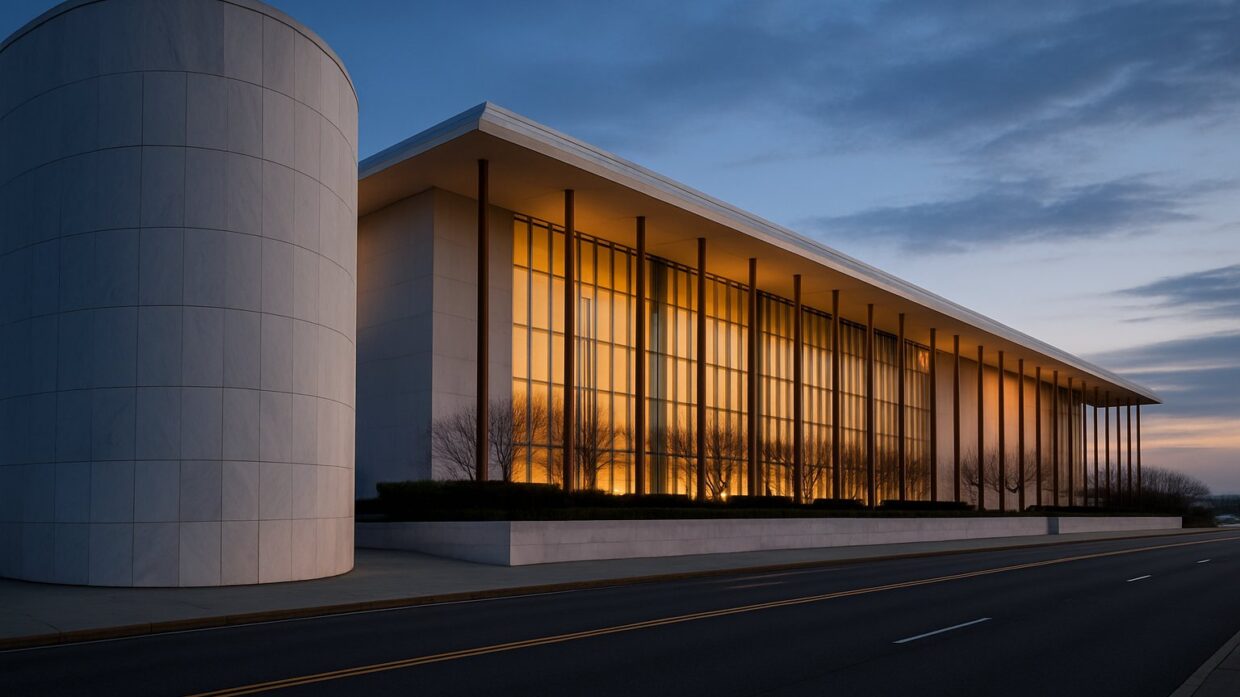
A federal judge has blocked the Kennedy Center's attempt to add Trump's name to the building for a second time, citing a prior court order that such a change requires Congressional approval. The decision arrives amid conflicting claims about the building's financial health and structural condition, with each side deploying different framings to justify its position.
The documented facts are these: The Kennedy Center, a congressionally chartered performing arts venue, proposed renaming itself to include Trump's name. A judge ruled the board lacks authority to make this change without Congress. Trump subsequently claimed the building faces a structural crisis, stating that a large piece of concrete and steel had fallen and posed danger to "innocent people." Kennedy Center officials warned of "certain fiscal collapse" without the renaming. The exact nature and severity of any structural or financial problems remains unspecified in the public record.
The left frame, represented in NPR and The Atlantic coverage, emphasizes the judge's ruling as a protection of institutional independence. The language used centers on "blocking" Trump's plan and preserving the Kennedy Center's status as a nonpartisan cultural institution. This framing leaves out any examination of whether the Kennedy Center's actual financial or structural condition might justify renaming as a funding or survival strategy. It treats the renaming primarily as a matter of presidential vanity rather than institutional necessity.
The right frame, led by the Washington Examiner, shifts focus to Trump's warnings about building deterioration and safety risks. The language emphasizes Trump's alarm about concrete falling and the threat to human life. This framing positions the renaming as potentially secondary to the more pressing question of whether the building is safe. What this version leaves out is any independent verification of the claimed structural problems or any acknowledgment that the judge's ruling on jurisdictional grounds remains separate from whatever maintenance issues may or may not exist.
What neither side adequately addresses is the underlying question: Does the Kennedy Center face a genuine fiscal or structural crisis, and if so, what evidence supports it? The available reporting does not establish whether the building's claimed problems are urgent, manageable, or exaggerated as a negotiating tactic. Neither the left's framing nor the right's engages seriously with the Kennedy Center's actual financial position independent of the renaming question. The judge's ruling turns on a narrow legal question about congressional authority, not on the merits of the Kennedy Center's actual condition.
The real headline is less about Trump's victory or defeat and more about what remains undisclosed: the Kennedy Center's true financial health, the documented extent of any structural problems, and whether the institution sees renaming as a genuine survival measure or as a political and fundraising opportunity. A full accounting would require independent reporting on the building's condition and finances, neither of which the sources here provide. Until that reporting exists, both framings operate in the same gap: the absence of independently verified facts about what the Kennedy Center actually needs.
Congressional authority over federally chartered institutions creates durable constraints that transcend individual administrations and political moments. When courts enforce those constraints, they establish precedent that prevents any future president from unilaterally rebranding institutions designed to serve the nation rather than any single leader. The Kennedy Center ruling means that similar attempts to rename the Smithsonian, the Library of Congress, or other congressionally chartered entities will face identical jurisdictional barriers. This case transforms a specific dispute into binding doctrine: renaming federal cultural institutions requires explicit legislative action, not executive pressure or institutional desperation. That structural protection persists regardless of whether the Kennedy Center's financial crisis is real or fabricated.