Photo: Well This Is News
Brazil charts first global pathway to end fossil fuels at COP30
We haven't found a right-leaning take on this story yet.
Breaking stories sometimes publish before every side has covered them. We'd rather show you that than invent a view.
Brazil proposes fossil fuel phaseout roadmap as Africa launches energy bank for oil and gas projects
Key Takeaways
- Brazil released its fossil fuel phase-out roadmap at the exact moment the African Energy Bank launched with the opposite mandate to finance oil and gas projects, suggesting fundamental disagreement among Global South nations on energy strategy.
- The Brazil roadmap only targets stopping new oil and gas expansion by 2031 while permitting continued consumption of existing supplies, a far narrower proposal than headlines suggesting immediate phase-outs.
- Neither the roadmap nor available reporting identifies how oil-producing nations would replace fossil fuel revenue, the mechanism economists say is essential for any developing country to actually comply with such commitments.
The Analysis
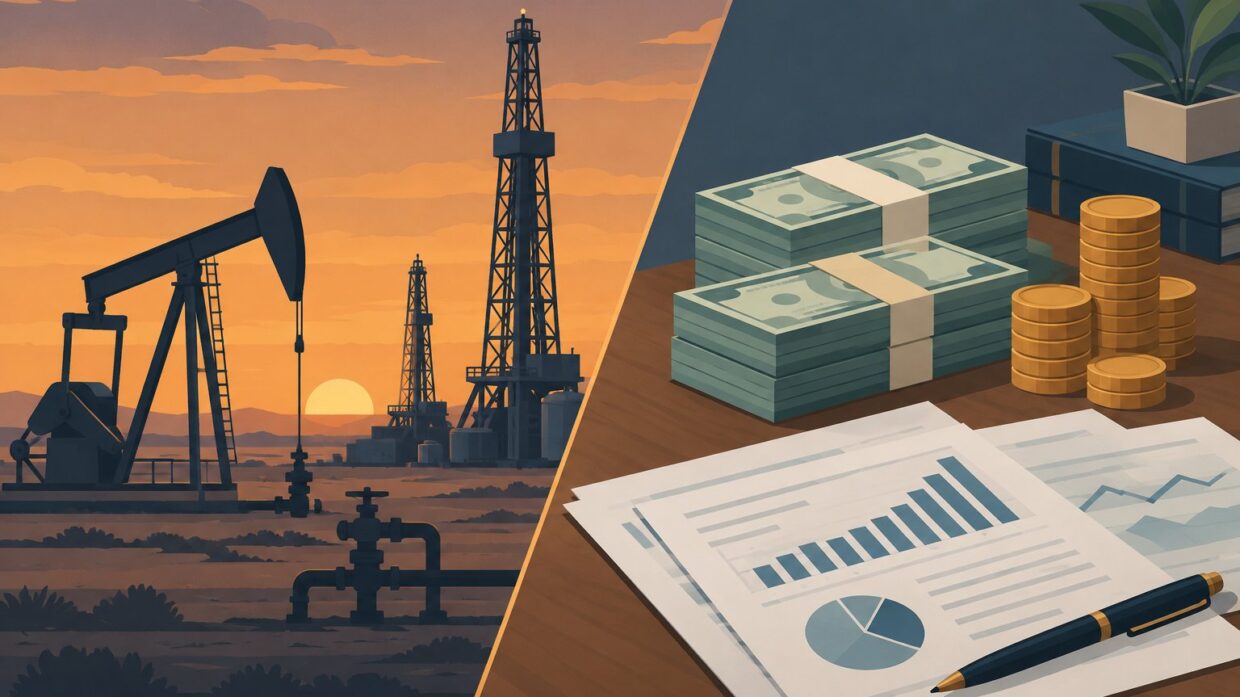
Brazil's COP30 presidency has released what it frames as the first global roadmap for phasing out fossil fuels, while the African Energy Bank simultaneously launched with explicit focus on financing oil and gas projects. These two developments reveal the fundamental gap between climate rhetoric and the economic incentives actually driving energy decisions across the Global South.
The Guardian reports Brazil's framing with optimism, quoting the government's assertion that countries can break fossil fuel dependence immediately without waiting for technological or economic breakthroughs. This language serves a specific narrative function: it moves responsibility from structural constraint to political choice. It says the obstacles are not real; they are choices nations have made. The reporting does not foreground what economists call the stranded asset problem, where fossil fuel infrastructure already exists and generates revenue that nations depend on. It does not name which countries face the most severe economic dislocation if they phase out oil and gas production, nor does it distinguish between ending new fossil fuel expansion and retiring existing operations that provide jobs and tax revenue.
Climate Home News provides the corrective detail: the roadmap is voluntary and proposes that countries continue accessing oil and gas supplies until 2031, with the phase-out of new production as the target. This is a markedly different proposition than the Guardian's framing suggests. The delay to 2031, the continued supply access, and the voluntary nature all matter. They indicate the roadmap is aspirational rather than binding, and it protects the near-term interests of producing nations.
What neither reporting foregrounds is the simultaneous launch of the African Energy Bank. The bank's explicit mandate to finance fossil fuel projects contradicts the stated goal of the Brazil roadmap. This is not an incidental tension. African governments created this institution precisely because they view continued fossil fuel development as central to their economic interests. The bank's existence signals that at least one major bloc of nations will not follow the Brazil roadmap, regardless of its voluntary status. Nigeria, Angola, Cameroon and other oil-producing states have consistently argued that wealthy nations industrialized on fossil fuels and should not ask poorer nations to forgo that same path. The African Energy Bank operationalizes that argument.
The reporting does not establish why Brazil chose to release the roadmap at the same moment this competing institution was launching, nor does it explain whether Brazil anticipated this would undermine its diplomatic initiative. What the sequence does suggest is that climate policy at the international level remains divided by fundamental economic interests that a single roadmap, however symbolically important, does not resolve.
Neither the left framing nor the available center reporting addresses what would induce a major oil-producing nation to accept the Brazil roadmap's terms. The documented consensus among economists is that such transitions require either immediate replacement of fossil fuel revenue with alternative income sources or massive wealth transfers from developed nations. The Guardian mentions neither. Climate Home News sketches the timeline but does not name the mechanism for compliance.
The real headline is this: Two competing visions of the energy transition launched simultaneously, one voluntary and aspirational, the other institutional and economic. The question is which one will actually guide investment.
Brazil's fossil fuel phaseout roadmap and Africa's simultaneous launch of an energy bank financing oil and gas projects expose the actual power structure driving energy policy in the Global South. The roadmap is voluntary, permits continued fossil fuel access until 2031, and targets only new production, making it aspirational rather than binding. Meanwhile, Nigeria, Angola, Cameroon and other oil producers created the African Energy Bank specifically to finance continued fossil fuel development, signaling they will not follow Brazil's framework regardless of diplomatic pressure. International climate agreements cannot resolve this conflict because they avoid naming the mechanism that would induce oil-producing nations to comply: either immediate alternative revenue sources or massive wealth transfers from wealthy nations. The African Energy Bank operationalizes what producing nations have consistently argued: that wealthy countries industrialized on fossil fuels and should not deny poorer nations the same path. Institutional investment flows through the energy bank will likely outpace voluntary adherence to Brazil's roadmap.