Photo: Well This Is News
A Year Later, Alaska Native Communities Still Wait for Federal Support After Typhoon Halong
We haven't found a right-leaning take on this story yet.
Breaking stories sometimes publish before every side has covered them. We'd rather show you that than invent a view.
One Year After Typhoon Halong, Alaska Native Villages Remain in Long-Term Recovery
Key Takeaways
- No official record exists showing how much federal disaster funding was requested by tribes, how much was actually deployed, or how this recovery pace compares to storms affecting lower-48 communities.
- Lucy Martin and other residents remain dispersed in regional centers like Bethel rather than in their home villages, but reporting has not explained whether this reflects ongoing evacuation orders, lack of housing, insufficient reconstruction progress, or a combination of factors.
- Both major news framings describe identical conditions of displacement and delayed reconstruction but use different language choices that signal opposite conclusions about responsibility and urgency without presenting the underlying data to resolve which narrative is accurate.
The Analysis
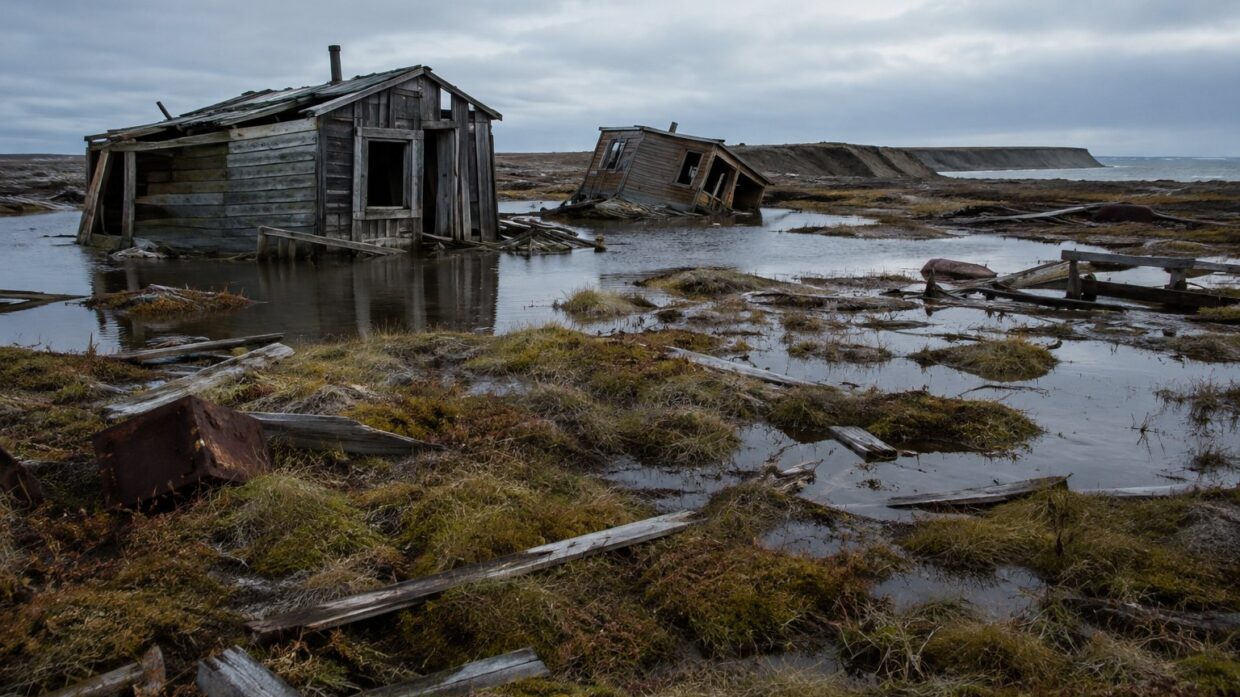
One year after Typhoon Halong destroyed several Alaska Native villages in October 2025, residents like Lucy Martin, Kwigillingok's tribal resilience coordinator, remain displaced in regional hubs like Bethel rather than in their home communities. The storm caused severe flooding and structural damage that forced evacuations from villages situated within a quarter mile of the Bering Sea. The defining pattern of this recovery is not what happened during the storm itself but what has happened since: communities remain dispersed, reconstruction timelines remain unclear, and the public reporting emphasizes different aspects of this persistent displacement depending on the source's framing.
The documented facts establish that Kwigillingok and Kipnuk were among the hardest hit communities. Both villages experienced flooding from remnants of a tropical storm that retained enough intensity at high latitude to cause serious damage. Residents were evacuated to regional centers. One year later, NPR's framing emphasizes that these communities are "still picking up the pieces," language that suggests ongoing active recovery work. Inside Climate News foregrounds that residents "remain in limbo," emphasizing the state of uncertainty rather than progress. Both framings describe the same underlying condition: dispersed populations and delayed reconstruction. But the language choices signal different narratives about whose responsibility this is and what should happen next.
The climate-focused framing, represented by Inside Climate News, places this story within a broader context of climate change impacts on Indigenous communities. The language of "limbo" and the specific detail that Martin remains in Bethel a year later serves a narrative function: it documents both the immediate harm from the storm and the secondary harm of prolonged displacement. This framing emphasizes scale and urgency by naming the specific distance from the sea, the specific tribal status of the residents, and the specific role of Martin as a "resilience coordinator," a title that implies institutional planning capacity that the current situation contradicts. The frame leaves implicit that federal response has been insufficient, though it does not state this directly in the available summaries.
The NPR framing emphasizes recovery as an ongoing community process rather than as a policy failure. The language "picking up the pieces" suggests active work and community agency. This is not a false characterization, but it shifts emphasis from what remains unresolved to what communities are doing. The selection of these specific villages as case studies documents harm without necessarily foregrounding questions about federal disaster response adequacy or funding decisions.
What neither framing directly addresses is the baseline question: what disaster response resources were deployed, what resources were requested by tribal authorities, and where the gap between those numbers exists. Neither the NPR nor Inside Climate News summaries provided specify federal agencies involved, funding amounts committed, reconstruction timelines established by any official entity, or whether this recovery pace is consistent with or worse than comparable disasters in lower-48 states. The record does not establish whether this is a story about inadequate national disaster response, about the inherent logistical constraints of rebuilding in remote Alaska, about tribal governance decisions, or about some combination. The available reporting establishes that a year has passed and residents remain displaced. The harder questions about why and what should change remain unresolved.
Alaska Native villages destroyed by Typhoon Halong will face permanent demographic shifts if reconstruction timelines stretch beyond two years, a threshold that research on disaster displacement shows triggers permanent out-migration from rural communities. Lucy Martin's continued displacement in Bethel represents not just personal hardship but the beginning of institutional death for villages like Kwigillingok, where dispersed populations cannot sustain tribal governance, school enrollment, or subsistence hunting practices that require physical presence. Federal disaster response metrics show that comparable communities in the lower 48 receive reconstruction funding decisions within 18 months; the one-year mark with no official timeline announced suggests either Alaska Native communities are receiving different treatment or the federal system is fundamentally unprepared for climate disasters in remote regions. This recovery's outcome will determine whether other coastal Alaska villages can remain inhabited through climate change or whether the federal government has de facto accepted permanent relocation as policy.