Photo: Well This Is News
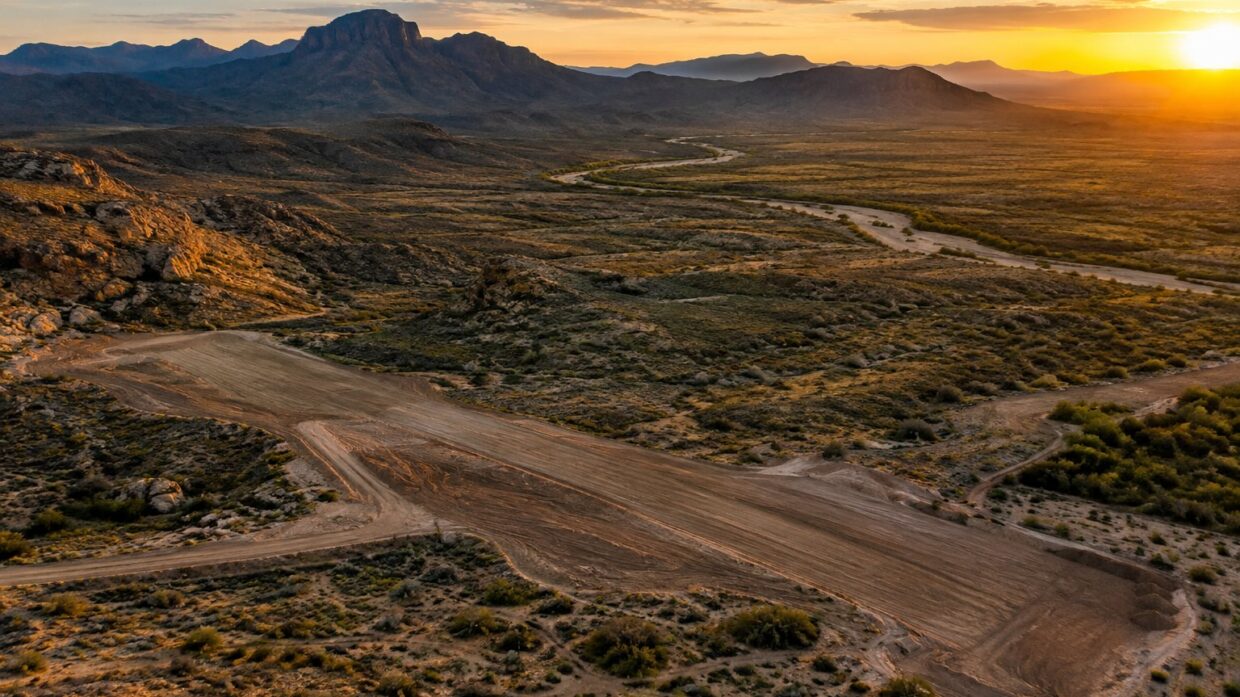
Supreme Court overrides environmental protections to green-light border wall in sensitive Texas park
Supreme Court clears path for Trump border wall after lifting federal injunction on Big Bend project
Supreme Court allows border wall construction in Big Bend, leaving underlying legal dispute unresolved
Key Takeaways
- The Supreme Court issued a temporary procedural decision allowing construction to continue while the underlying environmental lawsuit remains active in lower courts, not a final ruling on whether the wall is legal.
- Courts historically grant emergency relief in immigration enforcement cases by treating national security interests as categorically weightier during litigation than in final judgments, making this outcome procedurally routine rather than legally anomalous.
- The environmental groups' specific legal claims involving the National Environmental Policy Act and possible treaty violations with Mexico regarding water flows and cultural sites have not been addressed or rejected by the Supreme Court.
The Analysis
The Supreme Court lifted an injunction blocking border wall construction in Big Bend, Texas, but the framing across political outlets obscures what the actual legal ruling establishes and what it leaves deliberately unresolved.
The documented facts: Trump administration lawyers filed an emergency relief request with the Supreme Court in October seeking permission to continue construction while a lower court lawsuit proceeds. The high court granted that request, allowing work to resume in the Big Bend Sector while the underlying environmental and treaty-based claims remain in federal court. The Court's reasoning, quoted verbatim in The Federalist, stated that government interest in border security "outweighs any aesthetic, recreational, and environmental harm alleged by respondents." This was not a final ruling on the merits of the environmental case. It was an interim decision on whether construction could proceed while litigation continues.
The left-leaning outlets frame this as the Court overriding environmental protections and prioritizing border security over natural resource conservation. NPR and NBC emphasize that environmental groups filed the lawsuit and that the decision moves forward despite their objections. The language emphasizes what is being displaced, not what legal authority permits the displacement. This framing is not inaccurate, but it omits the category of law that made this outcome predictable: the government has historically won emergency relief requests on immigration enforcement matters because courts treat such requests as temporally bounded and reversible. The lawsuit itself continues. What neither NPR nor NBC foregrounds is that the Court's decision permits construction to proceed while that case is litigated, not that the case is closed or that environmental claims have been rejected on the merits.
The right-leaning outlets frame this as a triumph over obstruction, using language like Fox News' "lifted a federal injunction" and The Federalist's "SCOTUS Nukes Blockade." The language treats the emergency relief as a broader legal victory rather than what it technically is: a procedural decision to allow interim action. The Federalist quotes the Court's language about outweighing environmental harm, but does not clarify that this quote comes from reasoning about temporary relief, not final adjudication. The framing suggests the environmental lawsuit has been defeated when the record shows it continues in lower court.
What neither framing acknowledges is that emergency relief decisions in immigration cases follow a documented pattern. Courts have repeatedly granted such requests because they treat national security interests as categorically weightier during the pendency of litigation than they do in final rulings. This is procedurally standard, not legally anomalous. What also remains unaddressed is the specific legal dispute underneath: environmental groups claim the wall violates the National Environmental Policy Act and possibly treaty obligations to Mexico regarding cross-border water flows and cultural sites. The Supreme Court's decision does not resolve those claims. It permits construction to continue while they are resolved. A reader who only knows today's headlines might leave believing the Supreme Court has ruled the wall legal. The evidence shows it has only ruled that construction can proceed while the legal contest continues.
The real headline is narrower and more conditional than either side's framing captures: the Supreme Court allowed interim construction in a pending case, which tells us less about the law than it does about how courts typically treat emergency relief applications in immigration enforcement.
This decision establishes a procedural precedent that will shape every future border enforcement project facing legal challenge. By granting emergency relief while leaving the underlying environmental and treaty claims alive in lower court, the Supreme Court has signaled that national security claims receive categorical weight in interim decisions separate from final merits review. This creates a structural advantage for any administration seeking to advance enforcement infrastructure during litigation: construction proceeds, facts on the ground accumulate, and the legal case becomes increasingly theoretical. The Big Bend ruling did not close the environmental lawsuit, but it has already altered its practical leverage. Future plaintiffs challenging border infrastructure will face courts predisposed to allow work to continue pending resolution, making the ultimate legal victory, if won, remedy only what was built after the injunction fell. The distinction between emergency relief and final judgment has collapsed in public understanding, and courts have now institutionalized a two-track system where immigration enforcement operates on one timeline and environmental review operates on another.