Photo: K
Storm Boelo hammers UK with severe weather as climate patterns intensify disruption
We haven't found a right-leaning take on this story yet.
Breaking stories sometimes publish before every side has covered them. We'd rather show you that than invent a view.
Second UK storm in two days brings 80mph winds, travel disruption, power cuts
Key Takeaways
- The coverage documents the immediate impacts of two storms but never establishes whether this sequence is statistically unusual for October in the UK or within normal seasonal patterns.
- Reporting focuses on disruption and damage without examining why thousands remain without power for extended periods or whether the UK power grid has adequate resilience for storms of this intensity.
- The articles do not address whether forecasting and warning systems performed effectively or whether warnings actually reached vulnerable populations before the storms struck.
The Analysis
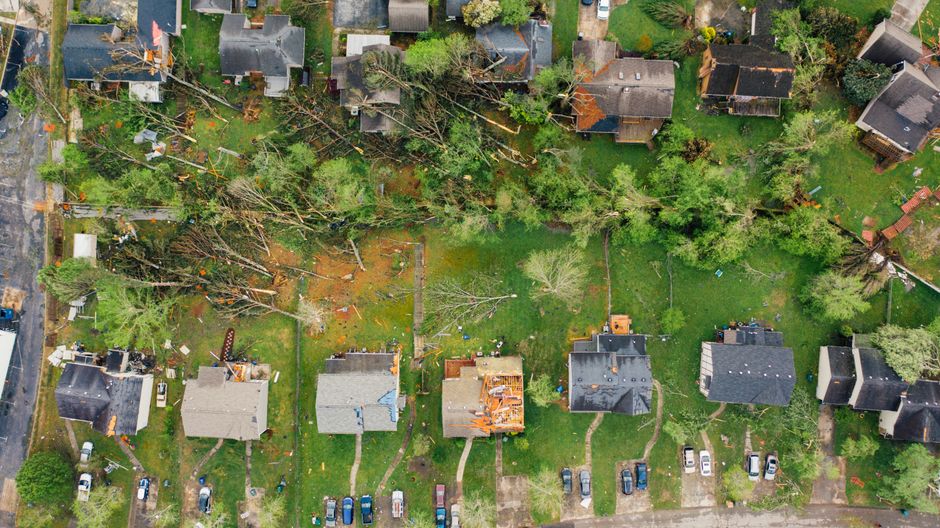
Two storms within 24 hours have hit the UK, with Storm Boelo following Storm Austen on Friday and forecast to bring gusts of 80mph and heavy rain to northern regions starting Saturday evening. The Met Office issued Amber weather warnings for the affected areas, and the available reporting confirms that thousands remain without power from the preceding storm.
The Guardian's coverage frames this as a straightforward weather event with concrete impacts: travel disruption, event cancellations, and power cuts. The outlet names the specific wind speed (80mph), identifies the regions under warning, and documents the cascading effect of storms occurring in rapid succession. The reporting emphasizes the compounding damage, noting that the second storm arrives while recovery efforts from the first are still underway. The language used is factual and impact-focused: "travel disrupted," "events cancelled," "power cuts." This framing prioritizes the immediate, measurable consequences for residents and infrastructure.
What the Guardian's coverage leaves unexamined is the question of whether this storm sequence reflects a broader shift in weather patterns or remains within normal seasonal variability for October in the UK. The reporting does not foreground historical comparison data: whether two named storms in 24 hours is statistically unusual for this region and season, or whether the intensity of these storms exceeds typical October benchmarks. The articles do not address whether climate change is altering the frequency or severity of such events, nor do they establish what meteorological conditions produced this particular sequence. The coverage treats the storms as discrete events requiring response, not as data points in a longer-term climate analysis.
No right-leaning source material was provided in the available articles. Without reporting from conservative outlets, we cannot establish how that perspective frames this story or what elements it emphasizes or downplays.
What neither perspective addresses, based on the available reporting, is the specific infrastructure vulnerability that allows two consecutive storms to leave thousands without power for extended periods. The coverage documents the disruption but does not examine the resilience or fragility of the UK power grid, the adequacy of restoration resources, or whether infrastructure investment has kept pace with storm severity. The reporting also does not establish baseline data: how many people typically lose power from storms of this severity, how long restoration takes under normal conditions, and whether this incident represents a failure of existing systems or a natural consequence of the weather events. The sequence of two named storms raises questions about forecasting accuracy and warning systems, but the available articles do not address whether those systems performed as designed or whether the warnings reached affected populations effectively.
The factual headline is: UK faces back-to-back storms with 80mph winds and power disruption as meteorological conditions deliver severe weather within 24 hours, the implications of which remain unexamined.
Back-to-back storms expose the brittleness of UK infrastructure designed for less frequent severe weather. When thousands remain without power days after the first storm and a second arrives before repairs conclude, it reveals not merely disruption but systemic inadequacy. The power grid cannot sustain resilience under compressed weather cycles. If this pattern repeats, utilities face a choice between massive capital investment in grid hardening or accepting that extended outages will become routine for millions of households. The current approach, reactive repair after each storm, becomes economically and socially unsustainable once storms cluster within days rather than seasons. Infrastructure planners must now reckon with a new operational reality that yesterday's spacing assumptions no longer hold.