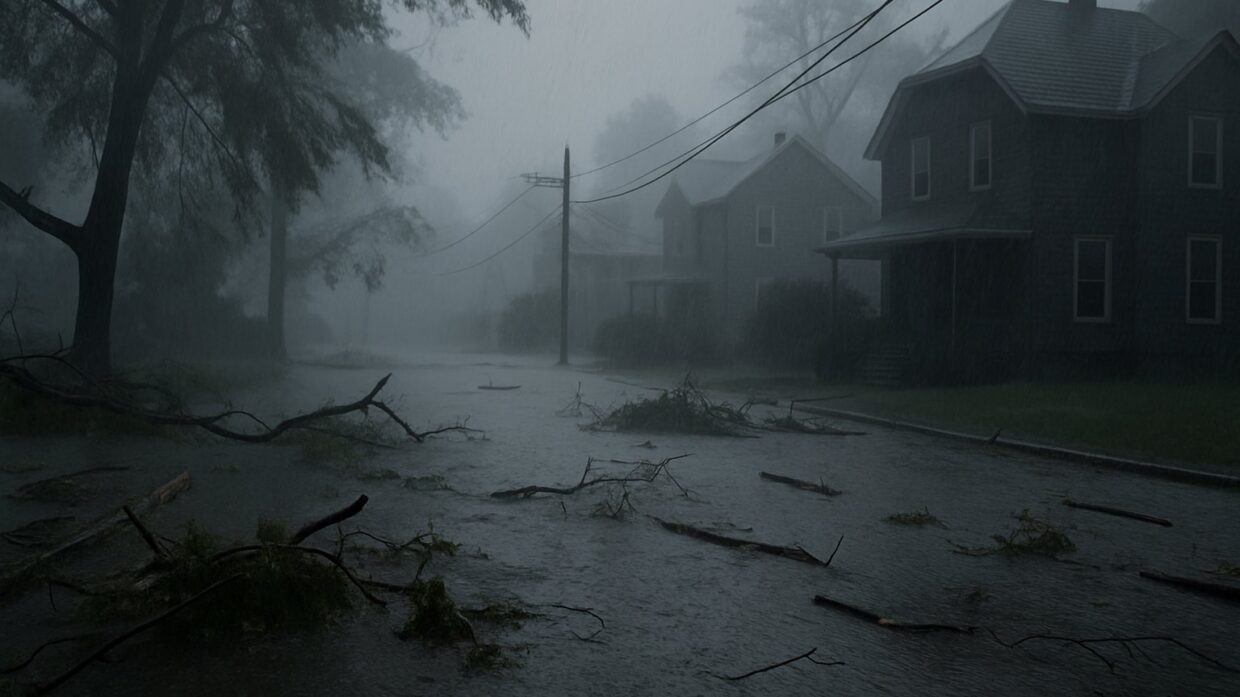
Photo: Well This Is News
Powerful nor'easter lashes East Coast as millions brace for significant winds and flooding
Northeast braces for severe nor'easter; weddings and travel plans disrupted
Nor'easter brings widespread power outages and flooding to East Coast through weekend
Key Takeaways
- Neither major news outlet reported the specific wind speed forecasts, confidence levels, or National Weather Service classifications that would let readers assess how severe this storm actually was.
- Coverage focused on either meteorological drama or event disruptions without establishing whether this nor'easter was unusually intense, early or late in the season, or typical for the East Coast.
- The reporting did not clarify how many power outages were forecast versus observed, or how many actual events were cancelled versus postponed, leaving the real-world disruption scale unclear.
The Analysis
A nor'easter affected multiple East Coast states over the weekend, producing widespread power outages, rising tides, and significant wind and rain. NPR's coverage foregrounded the human angle by leading with weddings and cruise disruptions, framing the storm as an obstacle to planned events. MSNBC's framing emphasized the scale and power of the storm itself, using language like "powerful" and "slow-moving" to stress the meteorological severity, and highlighted that tens of millions of people were in the storm's path.
The left-leaning coverage, represented by MSNBC, uses the descriptor "powerful" and emphasizes scope by noting that "millions" faced power outages and "tens of millions" were in the storm's path. This framing serves to underscore the magnitude of the event and the number of people affected. The language choices stress meteorological drama and population impact. NPR's framing, by contrast, opened with the practical consequences for event planning, leading with "windy weddings and rocky cruises," which domesticates the story around individual disruption rather than collective hazard.
Neither source provides the specific wind speed forecasts, storm track certainty, or comparison to historical nor'easters that would allow readers to independently assess severity. The coverage does not establish whether this storm represents unusual intensity for the season or a typical late-summer nor'easter. MSNBC does not clarify whether the "millions" affected by power outages is a forecast or observed count. NPR frames the story as a weekend event disruption but does not specify how many weddings or events were actually postponed, cancelled, or proceeded as scheduled. Both sources use "forecast" language without specifying confidence levels from the National Weather Service.
What the reporting leaves out is the baseline context necessary to evaluate whether this storm is severe relative to normal East Coast weather patterns. The average Atlantic hurricane season produces multiple nor'easters; the coverage does not establish whether this system is early, late, or typical in seasonal timing. Neither source provides the specific National Weather Service advisory language or wind speed predictions that would clarify the actual hazard classification. The focus on event disruption, while humanizing, shifts attention away from whether the storm poses structural risk to infrastructure or represents a warning about coastal resilience.
The underlying question is what level of atmospheric disruption warrants the emphasis both outlets applied. If wind speeds were moderate and power restoration was rapid, the "powerful" framing may overstate the actual threat. If the storm caused significant structural damage or extended outages, the event-disruption angle may understate the story. The available reporting does not establish which interpretation fits the actual facts.
Nor'easters occur regularly along the East Coast, yet this coverage's failure to establish baseline seasonal timing or wind speed comparisons means readers cannot determine whether utilities face mounting pressure from increasingly severe storms or from normal seasonal variation. Without National Weather Service advisory language, specific wind forecasts, or historical comparisons, coastal communities cannot assess whether infrastructure investment decisions should accelerate. The event-focused framing obscures whether repeated disruptions to the same regions signal cumulative resilience failures requiring structural adaptation or isolated weekend inconveniences. Power utilities rely on accurate hazard characterization to justify grid hardening projects; coverage that emphasizes millions affected without clarifying whether outages were forecast or observed, and whether restoration happened within expected timeframes, leaves regulators unable to demand investments proportional to actual risk.