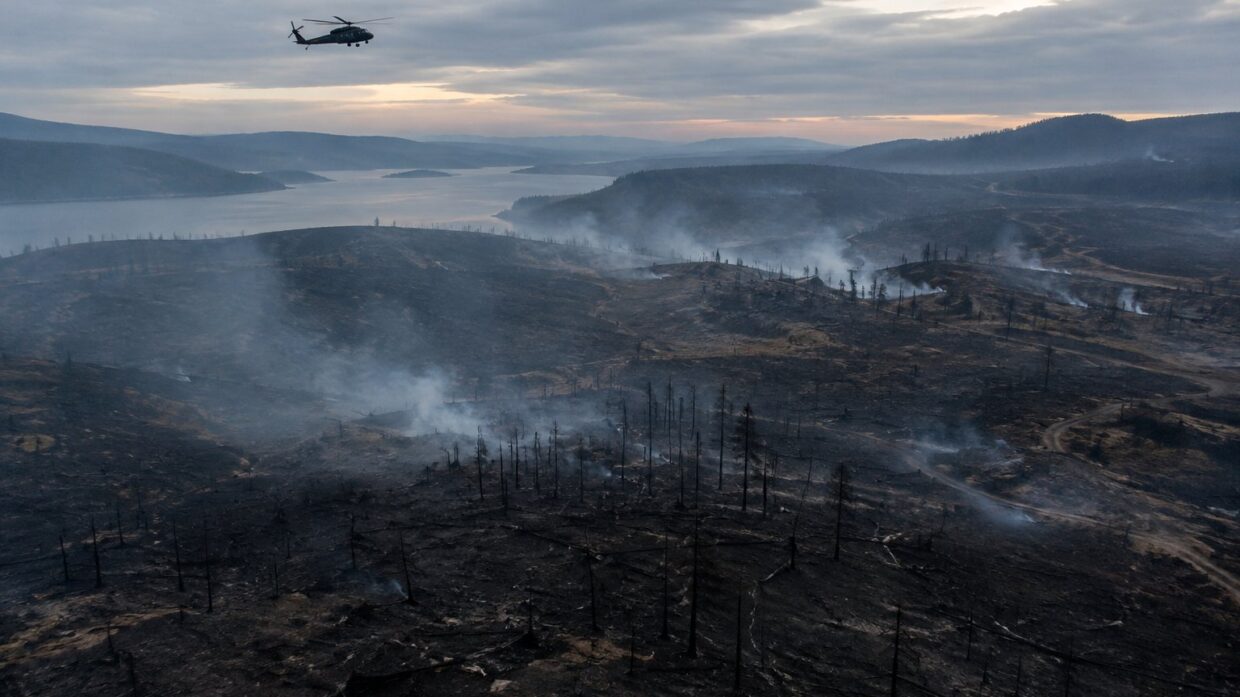
Photo: Well This Is News
Burnham launches AI wildfire unit and military response after scorching record summer
We haven't found a right-leaning take on this story yet.
Breaking stories sometimes publish before every side has covered them. We'd rather show you that than invent a view.
UK to deploy military aircraft and AI systems to combat wildfires after record 2026 summer
Key Takeaways
- The government announced military aircraft deployment and an AI detection system but neither source disclosed whether military planes have been used for UK wildfires before or how the AI system actually works operationally.
- Despite reporting record-breaking heat, neither outlet provided specific numbers on fires, acres burned, or historical comparisons needed to assess whether this response is proportional to actual damage.
- The government did not explain whether existing firefighting infrastructure was inadequate before 2026, whether these are new resources or reallocation, or whether earlier intervention could have prevented the summer's losses.
The Analysis
The UK government is announcing a coordinated wildfire response strategy following what the reporting confirms was the country's hottest summer on record in 2026, with multiple federal agencies now mobilizing. Prime Minister Burnham will convene the first national wildfire summit and deploy three specific interventions: military aircraft for active firefighting, an AI-powered detection system described by The Guardian as a "Cobra unit," and dedicated funding for firefighter protective equipment. The BBC frames this as preparation for "future blazes," while The Guardian emphasizes the record-breaking heat that preceded these measures.
The reporting establishes that this summer's fire activity exceeded historical precedent, though neither source provides the specific number of fires, acreage burned, or comparative data to earlier years. The Guardian's language choice of "AI Cobra unit" merits attention because it assigns terminology typically used for emergency government decision-making bodies (COBRA being the UK's civil contingencies committee) to what appears to be a detection technology. This framing serves to elevate the perceived status and coordination level of the AI initiative, suggesting executive-level priority. The BBC's phrasing of "prepare for future blazes" takes a longer view, treating this as institutional learning rather than crisis response. What neither outlet foregrounds is whether the UK wildfire infrastructure was previously inadequate, whether this represents a gap in existing firefighting capacity, or how this response compares to wildfire management in comparable climates.
The left-leaning coverage in The Guardian emphasizes technology and innovation as solutions, using language like "faster" detection and positioning the AI unit as preventive infrastructure. This framing suggests that better early warning and military resources can materially reduce damage. The Guardian also names specific provisions (protective gear funding) that signal comprehensive preparation. However, The Guardian does not report on the cost of these measures, the timeline for implementation, or whether existing firefighting capacity was deliberately underfunded prior to 2026. The BBC's more institutional framing avoids the innovation narrative entirely, simply stating what is being announced without editorializing about its effectiveness or sufficiency.
Neither source engages with why the UK experienced record heat in summer 2026, what role climate patterns or land management may have played in fire spread, or whether these measures address root causes or only symptoms. The reporting does not establish whether military aircraft are a new deployment tool for UK wildfires or whether this represents the first time they have been mobilized for this purpose. The AI detection system is announced but not explained in operational terms: what data does it use, how far in advance does it detect fires, or has it been tested. Neither outlet reports on whether this response was triggered by specific failures in the previous system or by routine planning cycles.
The available evidence suggests the UK government is treating 2026's wildfire season as a threshold event requiring institutional adaptation. What remains undisclosed is whether this response was delayed, whether earlier intervention could have prevented damage, or how these new resources compare in scale and cost to what was previously deployed. A reader knowing only these headlines would not understand whether this represents meaningful preparedness improvement or reallocation of existing military and technology resources into a new domain.
The UK's deployment of military aircraft and AI detection systems establishes a precedent for treating climate-driven disasters as requiring permanent institutional infrastructure rather than emergency response. Once military assets are formally integrated into civilian fire management and AI monitoring becomes routine national infrastructure, budget allocations and operational authority shift durably toward these systems, even if future summers prove cooler. The Burnham government is not simply purchasing new tools but embedding military and algorithmic oversight into domestic disaster management, creating bureaucratic constituencies invested in expanding these programs regardless of whether 2026 represents an anomaly or a genuine climate threshold. Future administrations cannot easily dismantle what is now framed as essential national preparedness without political cost. The "Cobra unit" terminology matters because it elevates AI detection from technical tool to strategic decision-making apparatus, locking technological solutions into high-level government processes where they become difficult to defund or downgrade.