Photo: Well This Is News
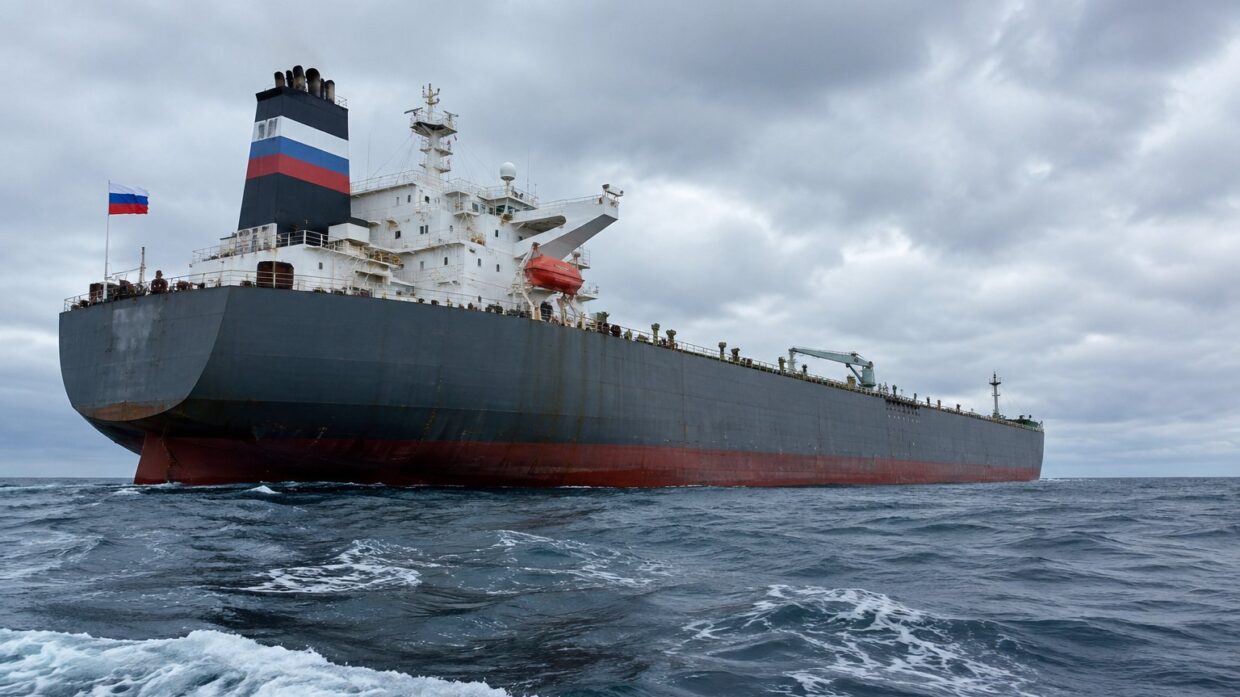
Trump's deal with Putin sends first Russian diesel shipment to America
We haven't found a right-leaning take on this story yet.
Breaking stories sometimes publish before every side has covered them. We'd rather show you that than invent a view.
First Russian diesel tanker heads to US under Trump-Putin agreement as Ukraine protests
Key Takeaways
- Trump inherited a multi-administration sanctions regime against Russian energy that he now appears to have waived, but the legal authority, statutory basis, and scope of that reversal remain publicly unexplained.
- The Trump administration has not disclosed the agreement's text, formal conditions, price terms, or whether Russia made any concessions regarding Ukraine in exchange for US diesel imports.
- This shipment arrives while verified reporting shows Putin is funneling Russian economic resources directly to military operations, making the timing and strategic coherence of the energy deal unclear.
The Analysis
A Russian tanker carrying 40,000 tons of diesel departed Friday for New York under an agreement Trump announced two weeks prior with Putin, the first such shipment since formal US sanctions restrictions on Russian energy began. What the competing framings obscure is the actual mechanics of this deal and what it reveals about Trump's negotiating priorities versus the stated policy consensus that preceded his return to office.
The verified facts are narrow but concrete. The Kremlin confirmed Friday that a tanker loaded with diesel set sail for the United States. NBC News reported this shipment followed Trump's stated agreement with Putin to "release more fuel into the global market." PBS and Investing.com confirmed the vessel's destination as New York and its cargo volume. The Trump administration's public rationale centers on energy market stabilization and global fuel supply. Ukraine's government has formally protested the arrangement. Bloomberg separately reported that Putin has used "temporary administration" of a German retailer's Russian operations to direct 1 billion rubles monthly to military spending, establishing that Russia's domestic economic apparatus is now directly funneling resources to the war effort.
The left frames this as Trump's personal diplomatic achievement, emphasizing the novelty of "the first" shipment and attributing it directly to Trump's deal-making. NBC's language, "the first since Trump's deal with Putin", collapses the sequence into a causal narrative where Trump negotiated, therefore the tanker sailed. That framing leaves out the prior policy architecture: what sanctions were relaxed, which agencies approved this transaction, and whether this represents a formal policy reversal or ad-hoc exception. It also does not foreground Ukraine's simultaneous military position or what this import relationship signals about US priorities in the conflict's diplomatic trajectory.
The right's represented response (The Daily Wire article available) pivots away from the tanker itself and toward Putin's documented conduct, criticizing Witkoff's alleged "sycophantic praise" and cataloging Putin's "heinous" behavior. That framing treats the diesel deal as secondary to a moral verdict on Putin's character and intentions. It does not substantively address whether the tanker's arrival actually affects US energy markets, whether the price-stabilization rationale holds empirical weight, or what specific economic or geopolitical consequences follow from this particular shipment.
What neither framing adequately addresses is the formal policy question. Trump inherited an executive and legislative sanctions regime against Russian energy exports built over two administrations. The legality and scope of his authority to waive those restrictions, the statutory basis for doing so, and whether Congress was notified or required to approve the reversal remain unclear from the available reporting. The sources do not establish whether this is a temporary exception, a pilot program, or a permanent policy shift. Similarly, neither side discusses whether this deal was conditioned on Russian concessions regarding Ukraine, the logistics of future shipments, or price terms. The Trump administration has not publicly released the agreement's text or formal conditions. What remains undisclosed is whether this represents leverage Trump extracted from Putin or a unilateral US concession framed as a mutual arrangement.
The underlying question is whether importing Russian diesel at a moment when US allies are funding Ukraine's defense and Russia is consolidating economic control over occupied territories constitutes a strategic alignment or a market transaction treated as strategically neutral. The available reporting does not establish the answer, but does confirm that Trump has chosen to normalize Russian energy trade at precisely the moment Putin is accelerating domestic mobilization for continued conflict.
Trump's decision to unwind two administrations' worth of Russian energy sanctions without disclosing the agreement's legal basis or conditions represents a fundamental shift in how the US weaponizes economic leverage. By permitting Russian diesel imports without publicly establishing whether Congress was notified, whether reciprocal concessions were extracted from Putin, or whether this signals permanent policy reversal, Trump has created a precedent that sanctions can be individually negotiated away through executive action. Ukraine's military position deteriorates as Russia consolidates control over occupied territory and redirects commercial profits toward military spending. Future presidents now face eroded statutory authority over energy restrictions, competing claims that prior sanctions were merely negotiating theater, and a Russian government that learned sanctions carry no permanent cost if the White House changes hands. The institutional damage extends beyond this transaction to the credibility of sanctions regimes themselves.