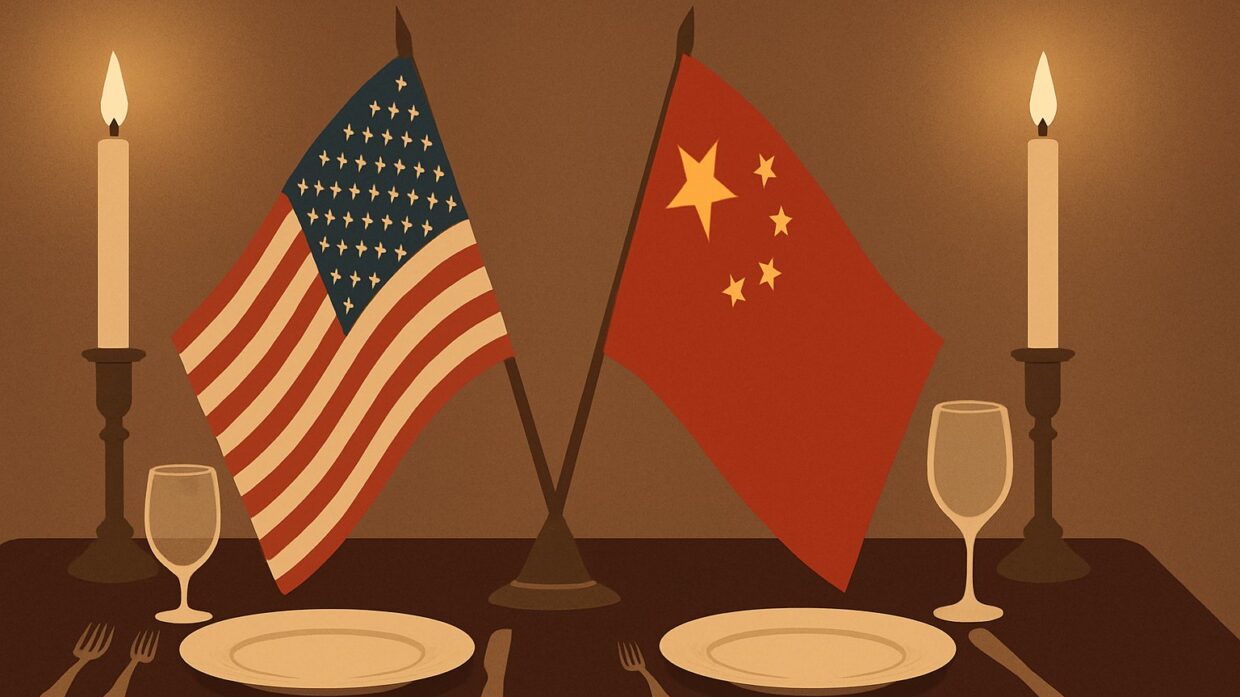
Photo: Well This Is News
Trump Rolls Out Red Carpet for Xi Despite Human Rights Concerns
Trump Hosts Xi in High-Level Diplomatic Engagement; No Policy Concessions Made
Trump and Xi Hold State Visit Talks; Taiwan Policy Stance Remains Unchanged
Key Takeaways
- The state visit produced no disclosed agreements, trade deals, sanctions relief, or policy changes on either side beyond ceremonial interaction, leaving unclear what either leader sought or gained.
- Both left and right coverage focused on what the visit's optics signaled rather than what actually happened in bilateral talks, obscuring the absence of any reported substantive outcome.
- Trump's envoy confirmed Taiwan policy did not shift, but the broader record does not explain why a formal state visit occurred if nothing meaningful resulted from the meetings.
The Analysis
Trump hosted Chinese leader Xi Jinping for a state visit in Washington, treating him to ceremonial dinners and bilateral meetings that observers across the political spectrum immediately read as signals about the administration's China posture, even as the actual policy output remains contested.
What happened on the ground is documented. Bloomberg reports that Trump's Beijing envoy Marco Perdue stated directly that "American stance on the self-ruled island remains unchanged following the Chinese leader's state visit to Washington last week." Perdue specifically noted that Trump and Xi "discuss Taiwan arms sales every time they get together" but said no policy shift resulted from this visit. NPR's framing emphasized the visual optics: Trump extended formal state dinner treatment, and the two leaders "looked comfortable together." Neither source disputes these basic facts. The ceremony occurred. The stated policy position did not shift.
The left-leaning framing, as reflected in NPR's coverage, emphasizes the warmth and comfort as a potential problem. By leading with how "comfortable" the two leaders appeared and asking what the talks "accomplished," the reporting invites a reading that Trump may be prioritizing diplomatic rapport over strategic leverage or human rights concerns. The headline itself, "Trump gave Xi Jinping a warm welcome," frames warmth as the story's primary content. This language choice matters. Warmth suggests either personal affection or, less charitably, a failure to maintain adversarial distance. The NPR summary mentions "state dinner" prominence but does not foreground what Perdue said about policy continuity, leaving the reader with an impression of cordiality without clear substantive outcome.
The right-leaning interpretation, present in Bloomberg's reporting, takes Perdue's statement as the headline: policy did not change. This framing emphasizes that Trump can extend diplomatic courtesy without conceding ground on Taiwan. The implicit message is that the administration maintained firm positions while being diplomatically sophisticated enough to build rapport. Bloomberg quotes Perdue directly, anchoring the story in a concrete policy claim rather than optics. The right's reading avoids the suggestion that warmth equals weakness.
What neither framing adequately addresses is the absence of any disclosed agreement or deliverable from the visit beyond the diplomatic ritual itself. Neither source reports what Trump and Xi actually discussed beyond Taiwan, or what, if anything, each side wanted from the other. Perdue confirmed Taiwan policy did not shift, but the broader question remains: what did the visit accomplish if it produced no stated commitments, trade agreements, sanctions relief, or policy changes on either side? The left emphasizes the comfort without explaining its purpose. The right emphasizes the firmness without explaining why a state visit was necessary if nothing changed. The public record does not establish what each leader sought or believed they gained.
Historically, US-China state visits have often preceded or followed significant policy announcements or crisis management. This visit appears to occur during sustained trade tensions and strategic competition. The lack of disclosed outcome raises an interpretive question: whether this was relationship maintenance without leverage, or whether substantive negotiations occurred but remained undisclosed to the public.
The actual headline neither side is fully articulating is simpler: Trump hosted Xi without shifting Taiwan policy, and disclosed no other meaningful agreements. That suggests either the visit was primarily ceremonial, or its substance remains private.
This visit establishes a precedent for conducting high-level US-China diplomacy without requiring public deliverables or concrete policy shifts. If Trump can host a formal state dinner and bilateral talks while maintaining existing Taiwan policy without announcing any trade agreements, sanctions relief, or strategic commitments, future administrations will inherit the expectation that such visits need not produce measurable outcomes. The absence of disclosed agreements means the bar for what constitutes successful presidential diplomacy with Beijing has effectively lowered. Congress will struggle to evaluate whether such meetings served American interests without knowing what was negotiated privately, eroding legislative oversight of executive China policy. The diplomatic ritual itself becomes the achievement rather than the instrument for achieving stated objectives.