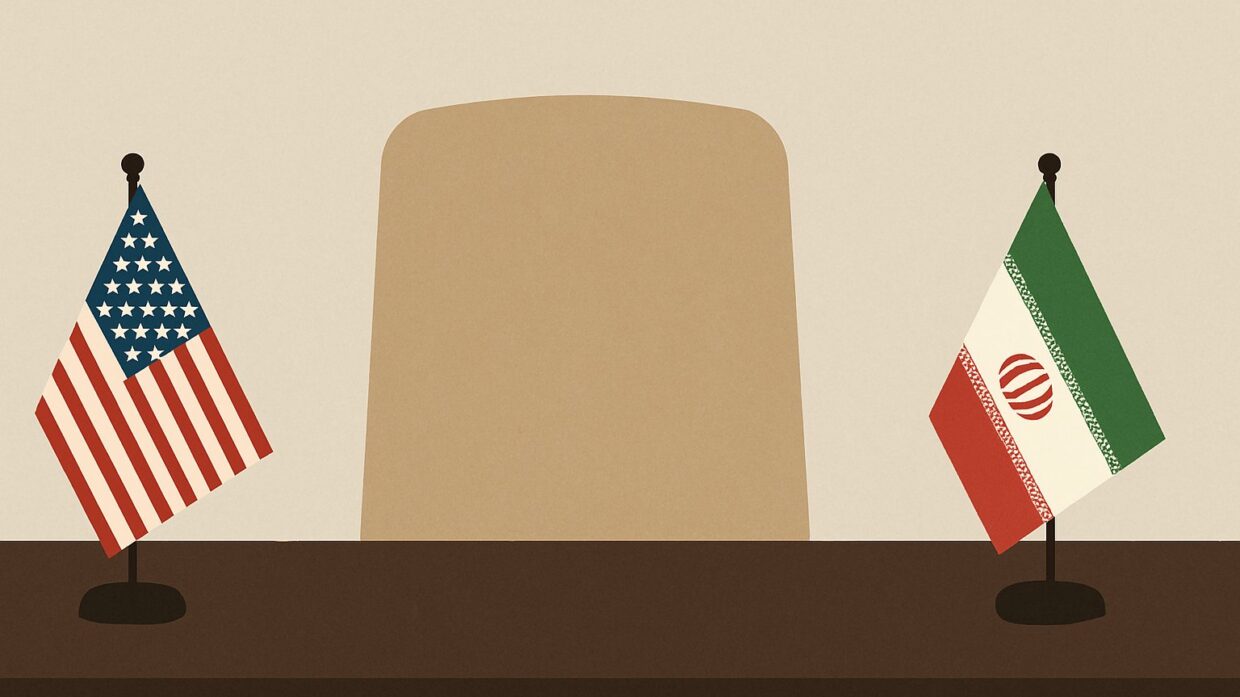
Photo: Well This Is News
Trump dismisses Iran's good-faith effort to end war, signals continued brinkmanship
Trump holds firm against Iranian demands, maintains pressure in ongoing negotiations
Trump rejects Iran proposal, says talks expected to resume this week
Key Takeaways
- No public reporting has disclosed what Iran's actual proposal contained, making it impossible to evaluate whether the rejection was based on specific substantive disagreements or on the format of Iran's negotiating approach.
- Trump told Axios he expects talks this week, but reporting has not confirmed Iran agreed to those talks or whether mediators have secured binding commitments from all parties.
- Neither side has publicly stated what would constitute acceptable terms or what happens if this week's talks fail, leaving unclear whether both sides are pursuing genuine negotiation or tactical positioning.
The Analysis
Trump rejected Iran's proposal to end the war on Saturday, then told Axios on Sunday he expects negotiations to resume this week. The sequence itself is unremarkable in diplomatic practice: rejection and continued talks happen regularly. What matters is what each side actually said, and what both sides are leaving unstated about what happens if this week's talks fail.
UN Ambassador Marco Waltz's specific language deserves scrutiny. He said Iranian negotiators "were asking for everything up front." This phrase carries a technical meaning in negotiation: one party presents a full list of demands without signaling flexibility or sequencing. Waltz did not say Iran's demands were unreasonable on substance, only that they presented them as a package rather than as opening positions. The reporting does not disclose what Iran's proposal actually contained, how it differed from previous Iranian positions, or what Waltz characterizes as "everything" versus a negotiable subset. Waltz's frame emphasizes method over substance, which is politically convenient for a rejection: it rejects the process without having to defend why each specific Iranian demand was unacceptable.
Trump's statement to Axios introduces a different tension. He expects talks "this week," according to a single phone interview. Bloomberg and The Guardian both reported this through Axios's account, meaning the primary evidence is Trump's own expectation, not a confirmed schedule. The reporting does not establish whether Iran has agreed to talks this week, whether mediators have secured commitments, or whether Trump is expressing optimism, strategy, or an actual negotiating framework. Qatar and other regional mediators are "trying to revive negotiations," which suggests they are working without confirmed participation from all parties. Trump's expectation may be aspirational rather than based on Iranian consent.
The left frame, as reported by The Guardian, emphasizes the rejection itself and quotes Waltz's characterization of bad faith. This framing suggests the Trump administration was presented with a genuine proposal and chose hardline rejection. The headline and structure imply that Iranian good faith should be weighed against the administration's response. The reporting leaves out whether Waltz had technical objections to specific proposals or whether the rejection was strategic posturing ahead of this week's expected talks.
The right frame, implicit in Bloomberg's reporting, emphasizes Trump's willingness to continue talks despite rejecting what was presented. This framing suggests strength and leverage: the U.S. can reject unfavorable terms and still pursue negotiation. Bloomberg's repeated focus on Trump's expectation of talks suggests forward momentum and presidential confidence. What this frame does not address is whether Trump's expectation is grounded in confirmed Iranian participation or represents publicly stated willingness to talk regardless of Iran's actual position.
What neither framing addresses is the absence of substantive detail. No reporting discloses what Iran actually proposed beyond "asking for everything up front." No reporting confirms what Trump considers acceptable terms, what the mediators are actually proposing, or what happens if this week's talks break down. The public record does not establish whether a diplomatic off-ramp exists or whether both sides are positioning for escalation while maintaining the appearance of negotiation.
The underlying question is whether the rejection signals tactical hardline posturing or actual disagreement on terms. Trump's immediate pivot to expecting talks this week suggests talks remain viable, but the reporting does not establish on what basis or with what likelihood of progress.
The absence of confirmed Iranian commitment to this week's talks matters more than Trump's stated expectation. If Iran has not actually agreed to negotiate by week's end, Trump's prediction becomes a unilateral claim that could collapse when talks fail to materialize, forcing the administration to either escalate militarily or retreat publicly from its deadline. Waltz's focus on negotiating method rather than substantive Iranian demands suggests the rejection was procedural rather than substantive, leaving unstated what specific terms would be acceptable and whether the U.S. has defined acceptable Iranian positions or simply wants to reject whatever Iran proposes first. Without confirmation that both sides have agreed to this week's timeline, the story amounts to one side announcing talks will happen while the other side remains silent, a condition that typically precedes either diplomatic breakthrough or military action.