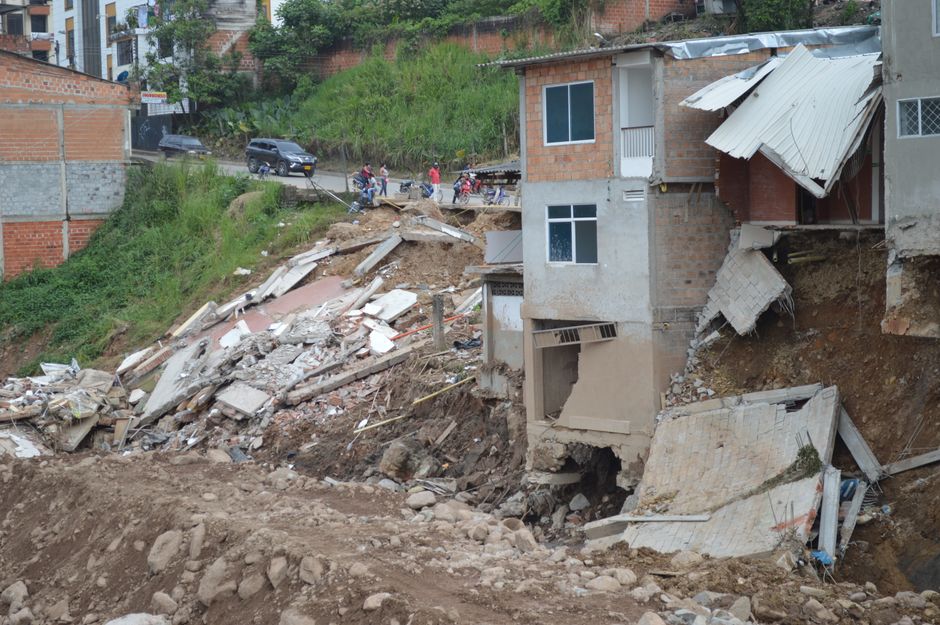
Photo: Franklin Peña Gutierrez
Greek authorities seek answers after six killed in historic Athens apartment blast
Four American tourists among six killed in Athens building explosion near Acropolis
Six killed in Athens apartment building collapse; authorities investigate cause
Key Takeaways
- Greek authorities have not yet identified whether the building collapsed due to a gas explosion, structural failure, or another cause, despite the structure coming down in seconds.
- The Plaka building's age, construction history, prior inspection records, and any recent renovations or permits remain unreported, leaving a critical investigative gap about how the failure occurred.
- Neither structural safety nor victim nationality alone explains the collapse; readers cannot assess whether this represents an isolated incident or reveals systematic risk in Athens's residential building stock.
The Analysis
A two-storey residential building in Athens's Plaka district collapsed on September 26, 2026, killing six people, including four American tourists. Greek authorities are investigating what caused the structure to fail, with emergency teams discovering the victims after the building came down in seconds. The specific cause remains undetermined as of the available reporting.
The Guardian's framing emphasizes the investigative dimension and the speed of the collapse. The outlet uses language centered on authorities "trying to discover" the cause and describes the building coming down "in a matter of seconds," positioning this as a structural failure requiring explanation. The reporting does not foreground the nationality of the victims, treating them as secondary to the central question of what caused the incident. This framing leaves open the question of whether structural negligence, gas explosion, or another cause was responsible.
Breitbart leads with the American dimension of the story. By opening with "Four American Tourists Among Six Killed," the outlet frames the incident as one affecting U.S. citizens abroad and signals the relevance to American audiences. This framing choice emphasizes nationality rather than location or structural cause. The reporting notes the building's proximity to the Acropolis, situating it in Athens's tourist district. What this framing underplays is any investigation into why the building failed or whether systematic safety issues in Greek residential construction may be implicated.
What neither outlet foregrounds is critical context about building codes in Greece, the age and inspection history of the structure, or patterns of apartment building failures in Athens. The reporting does not establish whether this was a gas explosion, structural failure, or other cause. The available coverage does not disclose whether the building had recent permits, renovations, or known safety concerns. Neither outlet explains what permits or inspections govern residential buildings in the Plaka district or whether this incident may reflect broader maintenance or regulatory gaps.
The substantive gap in both framings concerns the investigative findings themselves. At publication, Greek authorities were still determining the cause. One outlet emphasized the speed of investigation; the other emphasized who died. Neither focused on what the building's construction, age, or prior condition might reveal about how this failure occurred. The nationality of the victims is factually relevant to international attention and consular response, but the omission of building safety context from both frames leaves readers unable to assess whether this represents a localized incident or a symptom of structural risk.
The unresolved question is not why these particular people were killed, but what conditions allowed a residential building to collapse catastrophically. The available reporting does not establish that answer.
Greece's building inspection and permitting systems will face direct scrutiny as authorities investigate whether regulatory failures contributed to the collapse. If the Plaka structure lacked current safety certifications or had unaddressed violations, the incident will likely trigger stricter enforcement of building codes across Athens's older residential districts, potentially affecting thousands of properties that predate modern seismic standards. The outcome of this investigation will determine whether Greek authorities implement mandatory structural audits for aging apartment buildings and whether tourism-dependent neighborhoods face operational restrictions pending safety verification. Without establishing whether negligent maintenance, inadequate inspections, or lax permitting enabled this collapse, Greek building authorities cannot credibly certify the safety of similar structures, creating institutional pressure to either conduct widespread retrofitting or face liability for future failures.