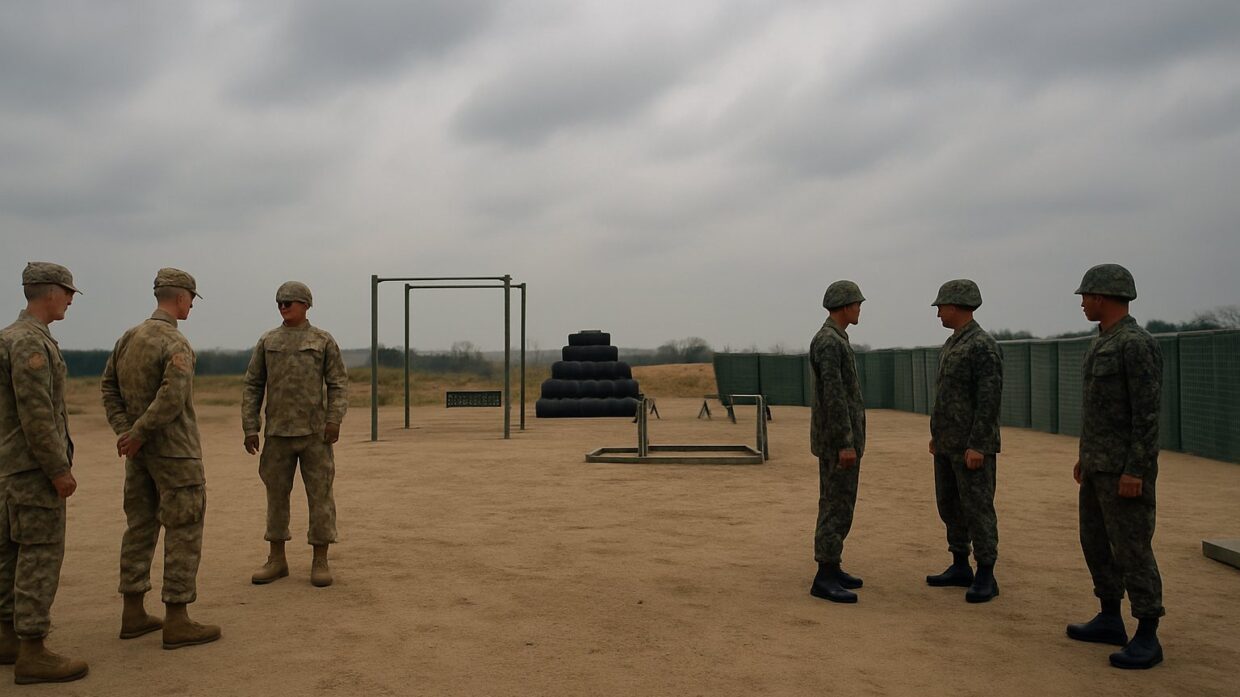
Photo: Well This Is News
Trump scales back Korea drills despite military warnings of North's growing combat edge
Trump cuts costly joint exercises with South Korea, says regime has been 'respectful'
Trump orders cuts to US-South Korea joint military drills, citing relationship with North Korea
Key Takeaways
- Trump's stated reason for cutting the exercises,that they send a hostile signal,does not address whether the military's documented concern about North Korea's Ukraine combat experience changes the calculus for maintaining deterrence posture.
- Neither Trump nor his military advisors have publicly clarified whether North Korea's behavior has genuinely changed enough to justify reduced exercises, or whether Trump is betting that diplomatic concession outweighs that timing risk.
- The public record does not show whether these deterrence exercises actually prevented North Korean provocations in the past or simply ran parallel to them, making it unclear what security effect their reduction will have.
The Analysis
Trump ordered the Pentagon to substantially reduce joint military exercises with South Korea, directly overriding the military's assessment of regional security in favor of a diplomatic calculation built on his personal relationship with Kim Jong Un. What both the left and right frames miss is the specific history of agreements and previous administrations' decisions that make this reduction consequential.
The documented facts: Trump issued the order on Sunday, directing Defense Secretary Pete Hegseth to scale back the Ulchi Freedom Shield drills scheduled to begin that week. Trump's stated rationale appeared in his social media post and public comments: the exercises are costly, they send a signal to North Korea that is "totally inappropriate and hostile," and he characterized Kim Jong Un's regime as having been "unthreatening and respectful" during his time in office. Trump also referenced South Korea's refusal to join US military operations in Iran. The Pentagon has assessed that North Korea is gaining battlefield experience from direct involvement in the Ukraine war, according to multiple sources cited in the coverage.
The left frame emphasizes Trump's disregard for military warnings. The Guardian quotes military officials cautioning that North Korea's combat capabilities are advancing, then juxtaposes this against Trump's personal diplomatic relationship with Kim Jong Un. MSNBC foregrounds the Pentagon's institutional concern. This framing leaves out why Trump might calculate that diplomatic concession is preferable to deterrence posturing, and it does not examine whether previous administrations' exercise schedules actually achieved the deterrent effect they claimed. The left coverage treats the military assessment as inherently correct and Trump's diplomatic judgment as inherently reckless.
The right frame emphasizes cost and restraint. Fox News leads with "major cut" and "hostile signal," centering Trump's language about reducing costly operations and his characterization of North Korea's recent behavior as respectful. The Washington Examiner notes Trump's frustration with South Korea over the Iran question. This framing leaves out the specific strategic history: what deterrent value these exercises provided, how previous administrations used them, and whether Trump's premise about North Korea's intentions is supported by the regime's broader pattern of behavior. The right coverage treats Trump's diplomatic judgment as inherently wise and his cost concerns as inherently justified.
What neither side fully addresses is the institutional record. The Ulchi Freedom Shield exercises have been conducted annually for decades as a cornerstone of US-South Korea deterrence posture, rooted in the 1953 armistice agreement and successive defense treaties. North Korea's advancement of battlefield capabilities through Ukraine involvement appears documented, meaning the timing of these cuts coincides with measurable degradation of the military balance Trump is attempting to negotiate away. The public record does not establish whether Trump believes the exercises are unnecessary because Kim Jong Un's intentions have genuinely changed, or whether he believes the diplomatic gesture is worth the security tradeoff. That distinction matters significantly.
The underlying tension is this: Trump is trading a routine, established military posture for a diplomatic bet. The military says the timing is poor. Trump says the signal matters more than the drill. Neither frame honestly addresses what happens to that diplomatic relationship if North Korea accelerates missile testing or conducts provocation during the reduced-exercise window, or whether the exercises actually prevented past provocations or simply coexisted with them.
Reducing joint military drills with South Korea ruptures a thirty-year institutional commitment embedded in the 1953 armistice agreement and successive defense treaties, not merely adjusting current strategy. By timing these cuts while North Korea gains combat experience in Ukraine and advances its battlefield capabilities, Trump is altering the documented military balance that underpins US deterrence architecture on the Korean peninsula. If North Korea escalates during this reduced-exercise window, the Pentagon loses the institutional record it needs to assess whether the exercises actually prevented provocations or merely coexisted alongside them. The cost is not symbolic restraint but a broken baseline for measuring deterrent effectiveness against future regime behavior, making it impossible for any successor administration to rebuild the same operational foundation without starting from demonstrable weakness.