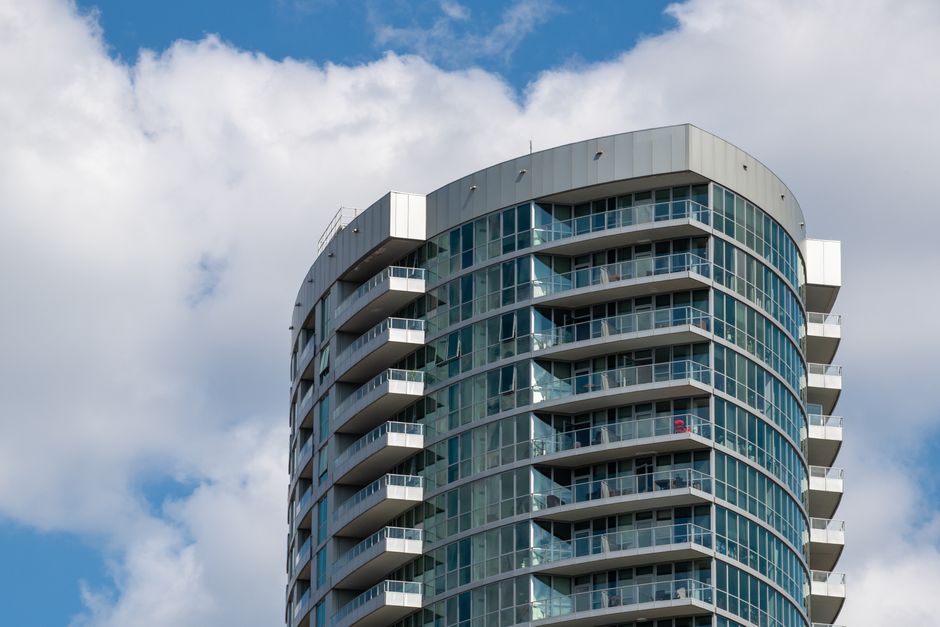
Photo: Andrew Patrick Photo
Suspect dead in Minneapolis shooting that left multiple dead, officers targeted
Minneapolis mass shooting leaves two dead, three police officers shot
Two killed, suspect dead after shooting at Minneapolis apartment building; three officers injured
Key Takeaways
- Police have deliberately withheld the explanation for how the suspect died, which is a central fact needed to understand whether officers fired the fatal shot or the suspect died another way.
- The timing and sequence of events remain unclear: whether officers arrived during the shooting, after initial victims were shot, or encountered the suspect in a different location.
- The two officers with gunshot wounds and the third officer with a separate non-life-threatening injury suggest a complex response scenario that official statements have not yet documented for the public.
The Analysis
Two civilians and the suspected shooter died in a shooting at a Minneapolis apartment building Wednesday, with three police officers injured during the response. What neither the initial reporting nor the police statement has clearly established is the sequence of events that led to the suspect's death or the specific circumstances of the officers' injuries.
The verified facts from all sources are consistent on the essentials: the shooting occurred at a downtown Minneapolis high-rise apartment building around 4:50 p.m. on Wednesday; at least two people besides the suspect were killed; three Minneapolis police officers were injured in the response; two of those officers sustained gunshot wounds; and the third sustained a non-life-threatening injury. All three officers are in stable condition at Hennepin County Medical Center. The suspect is dead. Law enforcement confirmed these details across multiple agencies including the Minneapolis Police Department and Hennepin County Medical Center.
The left-leaning framing, present in NBC News coverage, emphasizes the targeting of police officers. The language "officers shot" appears prominently in headlines and the coverage highlights that two officers sustained apparent gunshot wounds specifically, separating their status from the third officer's non-life-threatening injury. This framing serves to foreground the attack on law enforcement as a central element of the incident. What this framing does not address is whether officers were targeted specifically or were injured during a broader active shooting scenario. The reporting does not establish the chronology: did officers encounter the shooter while responding to calls about the apartment building shooting, or did the shooting extend to officers as they arrived.
The right-leaning framing, seen in The Daily Wire and Breitbart coverage, uses the term "mass shooting" to describe the incident and emphasizes the total number of victims across categories. Breitbart's headline states "at least six people shot, including two officers," which groups the injured officers with the total count of gunshot victims. This framing establishes scale and severity. The Washington Examiner separately categorizes the two civilian deaths, the officer injuries, and the suspect's death, presenting them as distinct elements of a single incident. What this framing leaves underexplored is whether all six individuals were shot by the same person in a single continuous event or whether circumstances differed.
What neither framing fully addresses is a gap in the public record that appears consistent across all sources: how the suspect died. NBC News explicitly states "it is still unknown how the shooter died." This is a material fact for understanding what occurred. Whether the suspect was killed by police return fire, took his own life, or died from other causes shapes the entire narrative of the incident. The available reporting does not establish whether the suspect engaged officers directly, whether he was cornered in the apartment, or what precipitated his death.
The sequence also remains unclear. Did police arrive at the apartment building while the shooting was ongoing, or did they arrive after initial victims had been shot. The three-officer injury count, with two sustaining gunshot wounds and one sustaining a separate non-life-threatening injury, suggests complexity in the response, but the timeline connecting the apartment building shooting to the officer injuries has not been publicly documented in these early reports.
What this may actually signal is that law enforcement has not yet released the full investigative timeline. The consistency across sources about victim counts and officer injuries, paired with the acknowledged gap about how the suspect died, suggests a deliberate sequencing of information release rather than incomplete information gathering.
Minneapolis police officials control what gets released about officer-involved shootings through a carefully managed timeline, and this incident reveals how that process shapes public understanding before full facts emerge. The gap in reporting about how the suspect died is not accidental journalism but reflects law enforcement's decision to withhold the investigative sequence. Until authorities disclose whether officers fired the fatal shots, whether the suspect died by suicide, or what physical evidence supports either conclusion, the public cannot distinguish between a defensive police response and a shooting where officers' actions directly caused a death. This withholding power determines which political narrative dominates initial coverage and shapes jury pools, community trust, and policy debates about police tactics before investigations conclude.