Photo: Well This Is News
Trump pauses Big Bend wall project as environmental and conservation outcry intensifies
CBP halts Big Bend operations for evaluation amid public pressure on border security
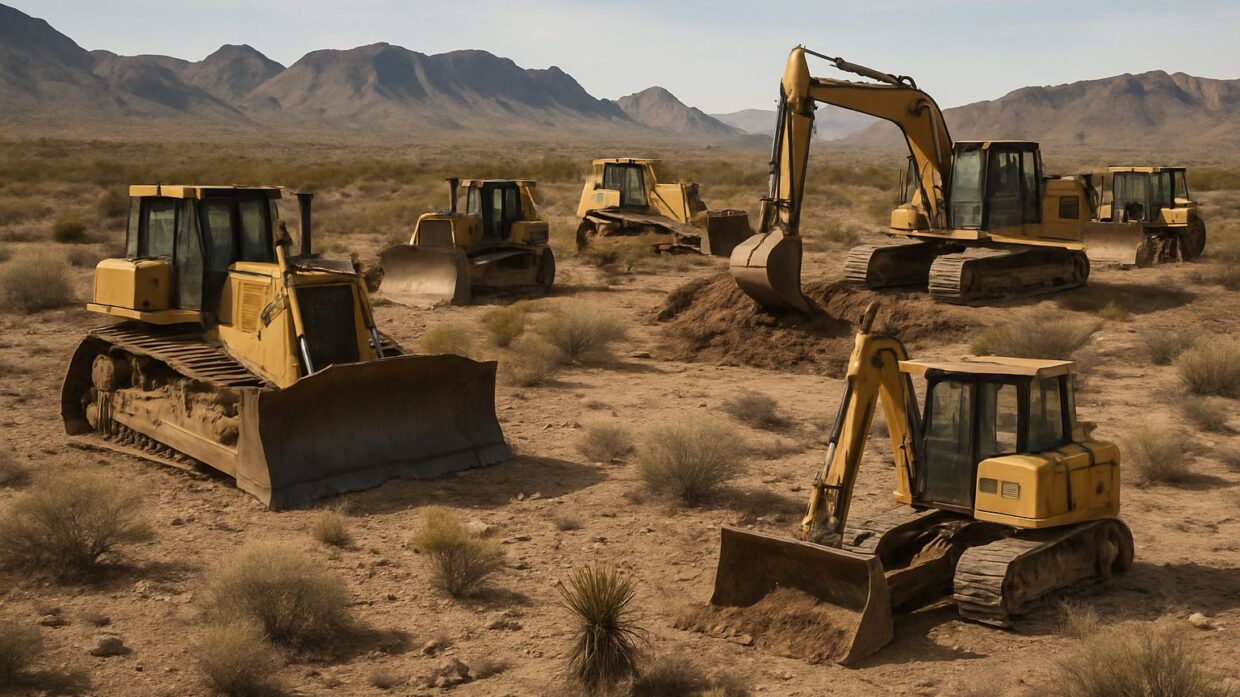
Trump administration temporarily halts Big Bend border construction after bulldozers arrive
Key Takeaways
- The government began bulldozing land in Big Bend National Park before announcing the pause, raising questions about whether CBP obtained permits or consulted with the National Park Service before starting construction.
- Neither environmental critics nor border security officials have publicly explained the specific damage the wall would cause or detailed the environmental reviews that preceded the project, leaving the core conflict unresolved.
- The administration chose language like 'temporary halt' and 'on-the-ground evaluation' that keeps the option to resume work open while appearing responsive to concerns, but neither the timing nor the duration of the pause has been clarified.
The Analysis
The Trump administration temporarily paused border construction at Big Bend National Park in Texas after bulldozers began clearing land, but neither the pause announcement nor the sources explaining it establish how long the halt will last or whether it signals a strategic retreat on the project. CBP Commissioner Rodney Scott used the phrase 'temporary halt' and 'on-the-ground evaluation' in his announcement, language that preserves the administration's option to resume work while appearing responsive to public concern. The timing matters: Bloomberg reports bulldozers arrived days before the pause was announced, suggesting the work was already underway when Scott decided to stop it.
The left frame, typified by HuffPost's coverage, emphasizes 'contentious' and 'controversial' as the defining characteristics of the project and leads with the fact that the brief suspension leaves unclear whether a more permanent halt will follow. This framing foregrounds environmental and conservation opposition without naming which groups mounted pressure or what specific damage they claim would result from the wall's construction. The language centers public outcry as the cause of the pause, implying the administration responded to external pressure rather than making an independent decision about the project's merits or feasibility.
The right frame, represented by Breitbart, describes the same announcement as a pause on 'border security projects' rather than wall construction, emphasizing the infrastructure's security function over its environmental footprint. Breitbart notes Scott announced the pause 'amid public outcry' but does not characterize that outcry as warranted or explore what specific concerns drove it. This framing preserves the administration's rationale for the work while treating the pause as procedurally routine, a commissioner doing evaluation work rather than a retreat.
What neither side fully captures is the underlying tension about federal authority over national park land. Big Bend National Park is a protected area under the National Park Service, which raises questions about CBP's jurisdiction and the process required to conduct construction within park boundaries. The sources do not explain whether CBP consulted with the Park Service before beginning work, whether permits were obtained, or whether park management supports the project. That absence suggests either the reporting has not yet uncovered those details or the administration proceeded without the standard consultation process, both of which would be significant. Additionally, none of the sources provide context about prior border construction projects in protected areas, what environmental reviews were conducted, or how this project compares to similar infrastructure built elsewhere along the border.
The most direct version of this headline is: Trump administration halts Big Bend border work to evaluate project that began without apparent public clarity on its environmental or jurisdictional basis. The pause itself does not resolve the underlying conflict between border security infrastructure and park conservation, a conflict that neither the administration nor its critics have fully articulated in the available reporting.
Federal construction within national park boundaries without transparent coordination with park management agencies sets a precedent for circumventing established review processes. The Big Bend pause reveals that CBP initiated bulldozer work before clarifying its jurisdictional authority over National Park Service land, suggesting future infrastructure projects may proceed similarly, with evaluations conducted after ground disturbance begins rather than before. If this pattern holds, it fundamentally alters how federal agencies negotiate competing mandates over protected lands, potentially weakening the Park Service's role in land-use decisions within its own boundaries and establishing that operational urgency can override standard environmental and jurisdictional review.