Photo: Well This Is News
Trump touts non-binding pledge as energy costs surge and data centers expand
Trump builds coalition to ensure data centers don't raise electricity bills for American families
Trump expands pledge to limit data center electricity costs, 200 entities sign non-binding agreement
Key Takeaways
- Neither the left nor right reporting established what specific commitments pledge signatories are actually making, what timeline applies, or what consequences exist for breaking the pledge.
- The analysis does not reveal whether data center electricity demand is actually driving residential rate increases in the states where governors signed on, which is essential to determining if the pledge addresses a real problem or a hypothetical one.
- The available reporting cannot establish whether this voluntary coalition will change how utilities allocate costs or whether it functions primarily as a preemptive move against future regulatory action on data center consumption.
The Analysis
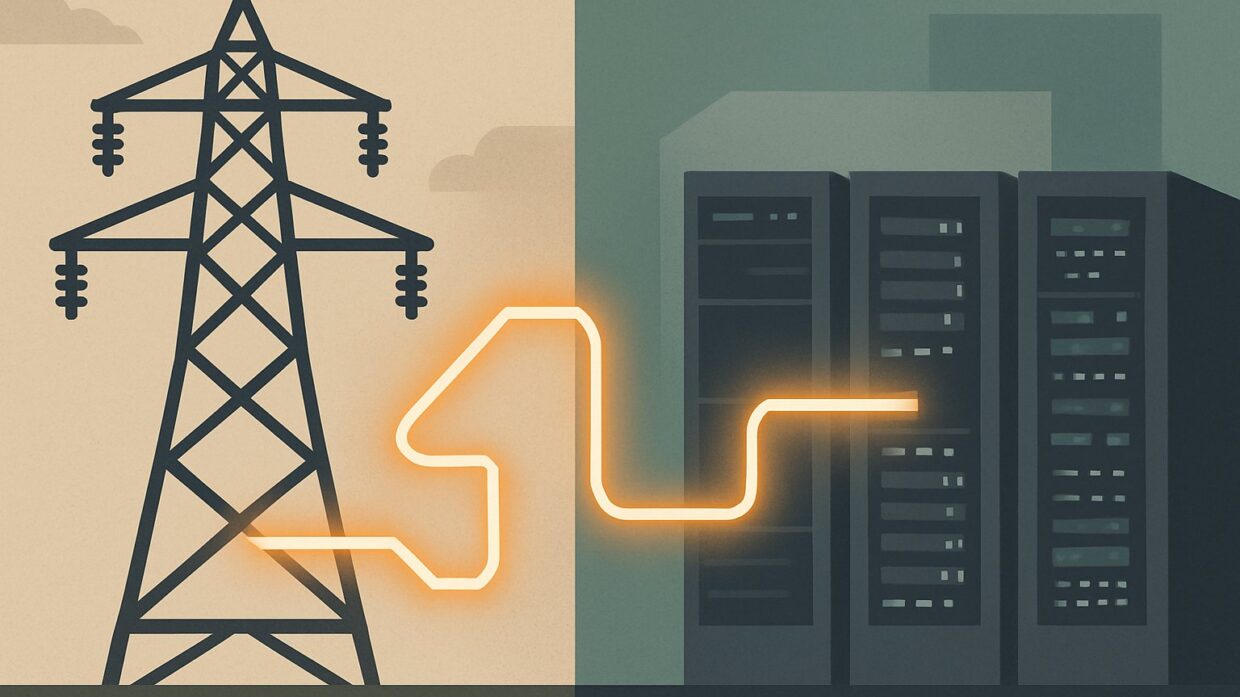
Trump announced an expansion of the Ratepayer Protection Pledge with approximately 200 entities signing on, including 23 governors, utilities, and stakeholders, purporting to protect residential electricity consumers from cost increases tied to data center expansion. The agreement is non-binding and contains no disclosed enforcement mechanism, a detail the left emphasizes and the right downplays.
What actually happened is straightforward on its face. Trump organized a coalition of signatories to a voluntary pledge. The Guardian reports the pledge is "non-binding," The Hill notes Trump "expanded" an earlier version of the pledge, and Fox reports the announcement involved 23 governors and 200 stakeholders. All three confirm the pledge aims to have data centers cover their own electricity costs without raising residential rates. None of the reporting establishes what specific commitments signatories are making, what timeline applies, or what penalties exist for violation.
The left framing emphasizes the word "non-binding" in the headline and notes that "people continue to struggle with rising bills." This language choice serves a narrative function: it suggests the pledge is performative, a commitment without teeth. The Guardian foregrounds that enforcement mechanisms are absent. This framing leaves out what the pledge actually commits signatories to do, and whether any of them have already implemented policies consistent with the pledge's stated goal.
The right framing uses language like "massive coalition" and "historic," locating the pledge within a narrative of coordinated action to solve a problem. Fox emphasizes the number of governors and stakeholders, suggesting breadth of buy-in. The Hill quotes Trump defending data centers as economically essential. This framing leaves out the non-binding nature of the agreement and does not establish what concrete measures participants are committing to or have already undertaken.
What neither side fully captures is the underlying policy question: whether voluntary pledges have historically reduced costs in regulated utility markets, or whether they function as substitutes for rate regulation. The reporting does not establish whether data center electricity demand is actually driving residential rate increases in the states where governors signed on, which would determine whether the pledge addresses a real problem or a hypothetical one. One plausible interpretation is that Trump is using a voluntary coalition to preempt federal or state regulatory action on data center electricity consumption. Another is that utilities have genuinely committed to cost allocation mechanisms that protect residential consumers. The available reporting does not establish which.
The real headline is this: Trump announced a non-binding agreement with 200 entities claiming to protect residential electricity consumers from data center-related cost increases, without disclosing what enforcement mechanisms exist, what specific commitments signatories are making, or whether any of them currently face regulatory pressure to change their rate structures. The left reads this as symbolic; the right reads it as meaningful coalition-building. What the record does not yet show is whether it changes anyone's actual behavior.
Data center electricity demand is reshaping state utility markets, and a voluntary pledge without enforcement mechanisms or disclosed commitments will not alter that trajectory. If participating utilities face no regulatory consequences for cost-shifting to residential consumers, the agreement functions as political cover rather than policy. The substantive question is whether any signatory has already restructured rates to isolate data center costs or whether this pledge merely delays regulatory action that states like Virginia and Arizona are already considering. Without binding commitments tied to specific rate schedules or penalties for violation, the coalition announcement substitutes symbolic action for the rate regulation that will ultimately determine whether residential bills climb as data center demand surges. What matters is not the headline count of governors but whether their regulators enforce actual separation of industrial and residential electricity costs.