Photo: Well This Is News
Pope praises US history of welcoming immigrants in implicit rebuke to Trump
Pope Leo XIV calls on US to recommit to unity while accepting Liberty Medal
Pope Leo XIV receives Liberty Medal, addresses immigration in US 250th anniversary remarks
Key Takeaways
- Pope Leo XIV deliberately chose Lampedusa, a Mediterranean island synonymous with Europe's migration crises, as the location to deliver his July 4th remarks, signaling Vatican institutional alignment with migration advocacy beyond domestic US politics.
- The Pope's message paired America's foundational ideals with a geographic symbol of global migration suffering, creating diplomatic weight that neither side fully acknowledged as intentional institutional communication.
- Public reporting does not establish whether the Pope intended his remarks as a direct rebuke to Trump or any specific politician, but the choice of setting and timing on America's anniversary created a juxtaposition that frames immigration as central to US values regardless of stated intent.
The Analysis
Pope Leo XIV's reception of the 2026 Liberty Medal during America's 250th anniversary created a rhetorical opportunity that each side has framed distinctly, though neither side has fully acknowledged the specific context that makes his message significant.
The documented facts are these: Pope Leo XIV, the first American-born pontiff in the modern era, received the National Constitution Center's Liberty Medal, which honors individuals advancing liberty globally. He delivered remarks marking the US anniversary. He also spoke from Lampedusa, the Italian island that has become the symbolic center of Mediterranean migration crises since at least 2013, when over 360 migrants died in a shipwreck near its shores. The Guardian reported his remarks as an implicit rebuke to Trump and restrictionist immigration policy. The Washington Examiner framed his message as one of national unity and constitutional recommitment. The Hill reported the basic facts of the award and his anniversary remarks.
What The Guardian emphasizes is clear in its headline language: Pope praises US history of welcoming immigrants in "implicit rebuke to Trump." That framing uses the word "implicit" to suggest a message directed at current US political figures, specifically those associated with stricter immigration enforcement. The reporting foregrounds the migration angle and the comparison between American ideals and contemporary policy. What this framing leaves out is any direct quotation where Pope Leo XIV names Trump, restrictionist policy, or contemporary US immigration law specifically. The Guardian's interpretation rests on inference from the topic selection (immigration, Lampedusa, July 4) rather than on stated rebuke.
What the Washington Examiner emphasizes is captured in its language choice: Pope Leo XIV "preached a message of unity" and called on Americans to "recommit to unity." The word "unity" appears twice in the summary. This framing treats the immigration remarks as secondary to a broader message about shared national purpose and constitutional values. What this framing underplays is the choice of Lampedusa as the location and the timing that paired July 4 remarks with migration discussion. It reframes a message about immigration and belonging as a message about national cohesion.
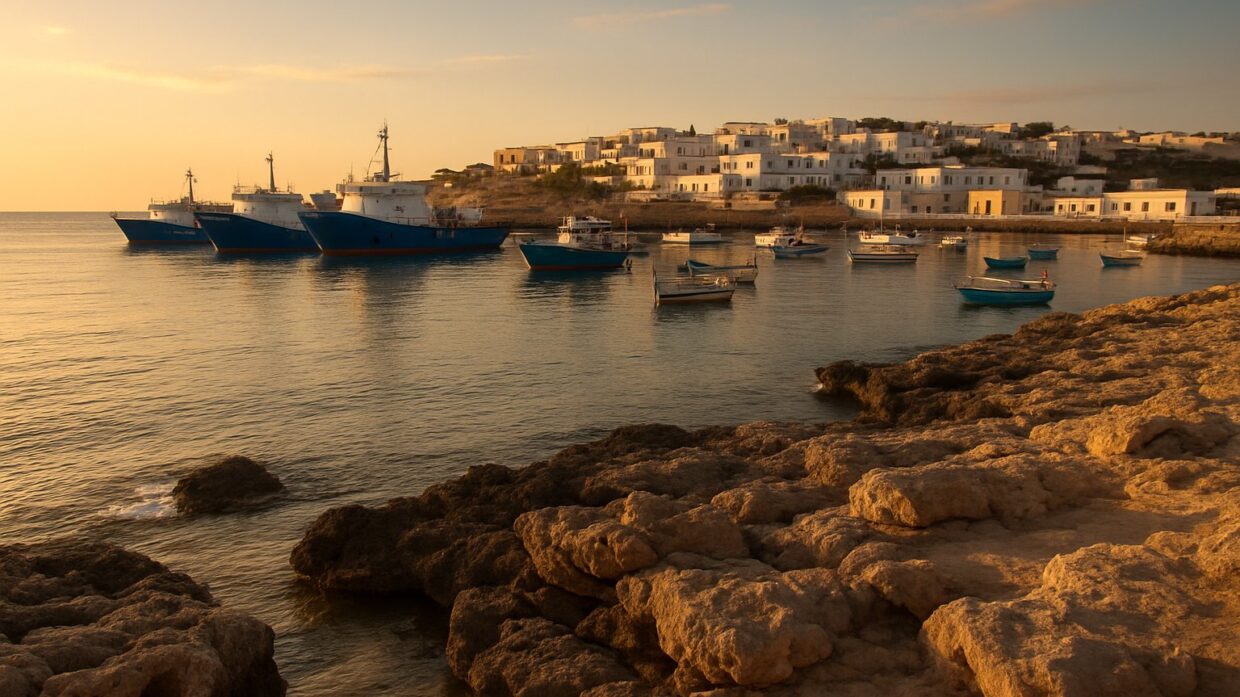
What neither side fully captures is the institutional and diplomatic weight of the setting. Lampedusa is not incidental. It has been Pope Francis's destination for migration advocacy multiple times. For Pope Leo XIV to speak from Lampedusa on July 4 about immigration is consistent with a deliberate choice to place the US anniversary celebration in a location defined by migration crisis. This signals a message about how the US immigration position is viewed from the Vatican's institutional vantage point. The Pope is not speaking as a pundit; he is the head of state of Vatican City and the leader of 1.3 billion Catholics. His choice of where and when to deliver July 4 remarks is diplomatic communication.
The public record does not establish whether Pope Leo XIV's remarks were intended specifically to address Trump's 2024 immigration platform, nor does it confirm the internal reasoning behind his choice of Lampedusa as the setting. What the record does establish is that he paired America's founding ideals with a location defined by migration, creating a juxtaposition that suggests alignment with migration advocacy.
The real headline is this: A sitting Pope, who is American, used America's 250th anniversary to frame immigration as central to US foundational values, choosing to deliver that message from the geographic center of Europe's migration crisis. That is diplomatically significant regardless of whether it was intended as a rebuke.
Pope Leo XIV's choice to deliver July 4 remarks from Lampedusa rather than American soil represents a deliberate recalibration of Vatican diplomatic messaging on immigration. By positioning himself at the Mediterranean's most visible migration flashpoint while addressing America's founding ideals, the pontiff signaled institutional alignment with migration advocacy in a way that transcends any single political figure or moment. This sets a precedent: the Catholic Church will frame US immigration policy against the lived reality of global displacement, not abstract debate. Future administrations cannot separate American exceptionalism rhetoric from the Vatican's expectation that such claims align with welcoming practice. The 1.3 billion Catholics the Pope represents now have clear institutional guidance that immigration restrictionism contradicts their church's foundational reading of American values, reshaping internal religious political dynamics for years ahead.